
First aid tips for babies to help in tricky situations
Dr Natalie Hobbs has extensive knowledge of and experience in dealing with infant first aid.
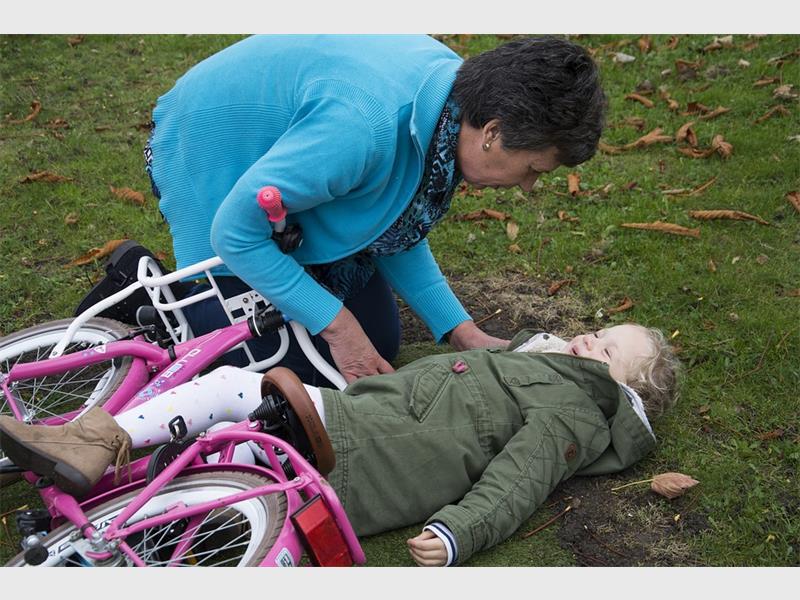
Treating babies and toddlers in an emergency situation can be tricky, because they do not yet have the ability to tell adults what is wrong, or how they feel exactly.
Mediclinic Clinical Manager, Dr Natalie Hobbs, has extensive knowledge of and experience in dealing with baby and toddler medical emergencies.
“Symptoms relating to infection, such as a fever, are why most toddlers are brought to the emergency room,” she said.
Often parents have tried to manage their child’s fever at home, but when this does not succeed, they seek assistance. It may be because their baby is listless, irritable or has a decreased appetite, indicating illness or inflammation. Sometimes these symptoms may be related to something as simple as teething, but each organ system needs to be assessed carefully to ensure there are no other underlying causes, since the complaint is verbalised by the parents and is often non-specific.
Dr Hobbs said she also sees a number of toddlers with self-inflicted injuries.
“At the toddling phase, children are very inquisitive, and unaware of potential dangers, and, as a result, they are injury prone. Head injuries and lacerations from falls and burns are quite common.”
What can parents do in the event of these emergencies?
The golden rule for a parent, no matter what the emergency, is to remain calm and to reassure your child. Being ill or injured is a terrifying experience for a baby or toddler, and entering the unfamiliar space of a hospital is scary. So it is essential that parents remain calm and that they comfort the child throughout this highly stressful experience.
Dr Hobbs said “An analgesic, such as paracetamol, can be administered for fever. The child should also be undressed down to the nappy to allow the core body temperature to drop. Putting the air conditioner on in the car on the way to the hospital can also assist in bringing down the temperature.”
In the event of a traumatic injury, pain relief, again in the form of paracetamol, can assist in relieving anxiety. “Parents should try to immobilise an injured limb. If the child is bleeding from a laceration, the parent can apply direct pressure with a towel or bandage,” said Dr Hobbs.
What should parents never do if there has been an accident?
Don’t panic. “Always remain calm, so the situation can be managed to the best of your ability,” said Dr Hobbs. First assess the accident scene for any potential hazards. If you will be jeopardising your own safety, then do not approach the child. Call for an ambulance and if it is safe to approach the victim, assess for responsiveness by tapping the child. If there is no response, check if the child is breathing and if there is a pulse. If you are unsure and the child is unresponsive, call an ambulance immediately and begin cardiopulmonary resuscitation (CPR).”
Dr Hobbs strongly recommends that parents attend a heart saver course, which is aimed at the general public, and teaches parents the basics of life support and what to do in the event of such an emergency. Contact your local hospital for more information about these courses, where they are offered and how much they cost. Remember, you can call 084 124 at any time to contact the ER24 Call Centre.