A look into Krugersdorp’s church of endurance
Echoes of Krugersdorp: The Klipkerk OR A look into Krugersdorp’s church of endurance Krugersdorp CBD — In the 22nd edition of Echoes of Krugersdorp, produced in partnership with the Krugersdorp Heritage Association (KHA), we focus on one of Krugersdorp's most well-known buildings and a landmark of the CBD skyline: The Dutch Reformed Church, also known
In the 22nd edition of Echoes of Krugersdorp, produced in partnership with the Krugersdorp Heritage Association (KHA), we focus on one of Krugersdorp’s most well-known buildings and a landmark of the CBD skyline: The Dutch Reformed Church, also known as Die Klipkerk.
Co-founder of the KHA, Jaco Mattheyse, explained that the original congregation of Krugersdorp drew its territory from four earlier districts – Pretoria, Rustenburg, Potchefstroom and Heidelberg.
“When the district of Krugersdorp was proclaimed in October 1894 by the State President of the Zuid-Afrikaansche Republiek, and amended the following year, the ecclesiastical boundaries largely followed,” he said.
“This was a vast region of some 350 farms – almost empty when the first white settlers arrived. Yet it was not untouched land. Abandoned kraals, worked fields, and ancient diggings testified to earlier inhabitants. Settlers spoke of wagon wheels cracking over human bones – grim reminders of the devastation that swept through the area during the upheavals of the early 19th century,” he added.
In the 1820s, the Mantatese destroyed tribe after tribe north of the Vaal, before being defeated by the Bangwaketse. Soon after, Mzilikazi and his Matabele tribe established control in the Magaliesberg, having fled Zululand with some 20 000 followers. His campaign of destruction created a buffer between himself and Shaka. Only after the Matabele were driven out did permanent white settlement begin.
“The Voortrekkers did not initially spread across the depopulated land. Instead, they formed ‘companies’ – close-knit settlement groups – at Potchefstroom, Ohrigstad, Soutpansberg, and Magaliesberg. From these communities grew towns and congregations. In what would later become the Krugersdorp district, Gatsrand and Hekpoort emerged as such centres,” Jaco explained.
At Hekpoort, on December 21, 1848, a significant church gathering took place on the farm of Commandant Gert Kruger, uncle of Paul Kruger. Ministers PE Faure and W Robertson received 109 new members and baptised 233 children.
“Among them were members of the Kruger and Potgieter families – a reminder that even leading Voortrekker households often lived far from formal church structures, with baptisms and confirmations sometimes long delayed.”
Formal congregational life in Krugersdorp began later. The first Afrikaans-speaking congregation, the United Church, was established in 1890. A year later, on November 1, 1891, under Rev Van Belkum and the efforts of Elder Vorster, the Nederduitsch Hervormde Gemeente of Krugersdorp was founded. Services were held in the old magistrate’s office and in private homes – humble beginnings for what would become one of the West Rand’s most influential congregations.
Building Die Klipkerk through faith and community
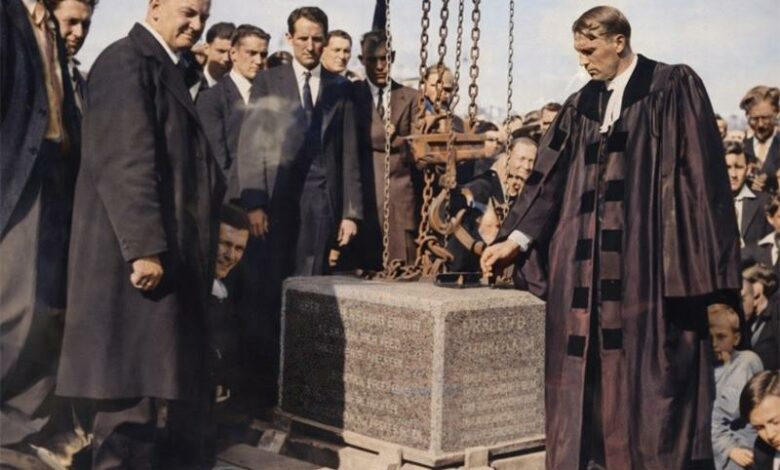
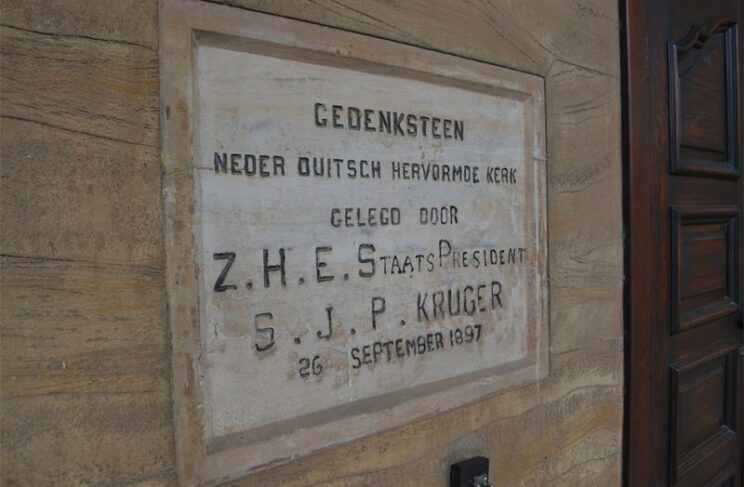
“The congregation waited 18 years for its first resident minister, but it did not wait to build. In 1897, the cornerstone of its first church was laid on Market Square by President Paul Kruger, amid great ceremony. The building, seating 300, was inaugurated in 1898 – the first Hervormde church on the Rand – and stood as a declaration of faith and permanence in a young mining town,” Jaco said.
The Anglo-Boer War delayed further development, and Elder Vorster – who had laboured tirelessly – did not live to see the stabilising years that followed. Yet growth came steadily.
Under Rev PS Grobler, ordained in 1922, the congregation expanded dramatically. Membership rose from about 400 at the turn of the century to over 2 200 by the late 1930s.
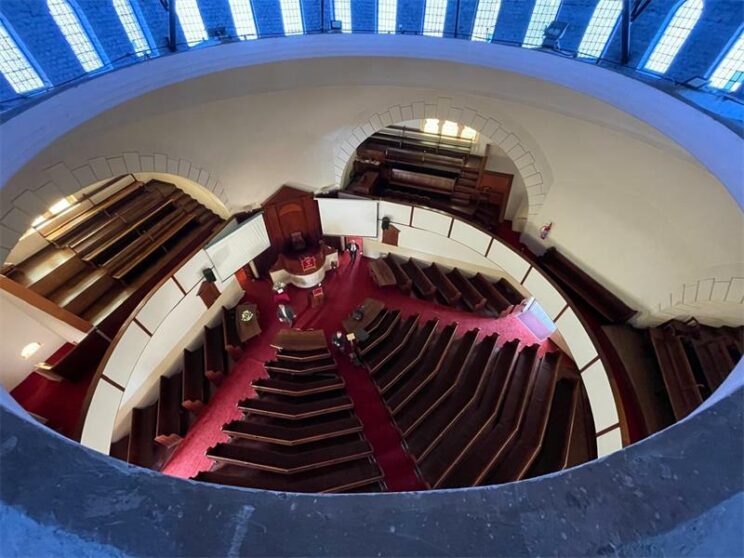
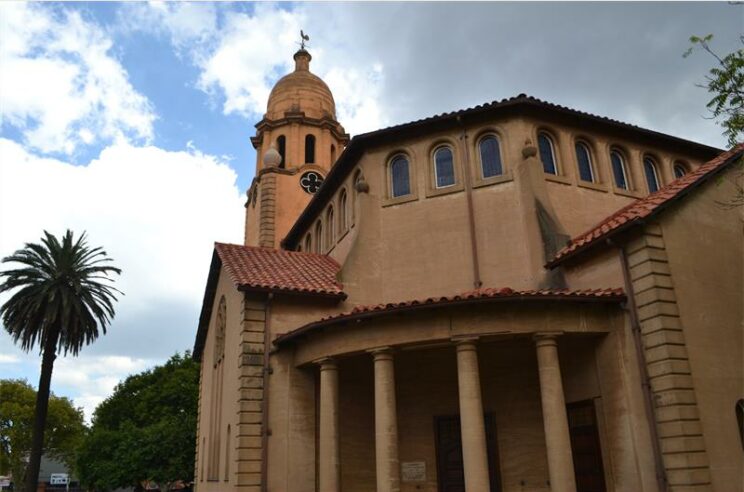
“The old church building became inadequate. In 1934, the church council resolved to erect a new structure at considerable cost, engaging renowned architect Gerard Moerdyk. Remarkably, the congregation undertook the construction itself. Within ten months, the imposing new church – crowned with its distinctive dome – was completed and dedicated in 1935.”
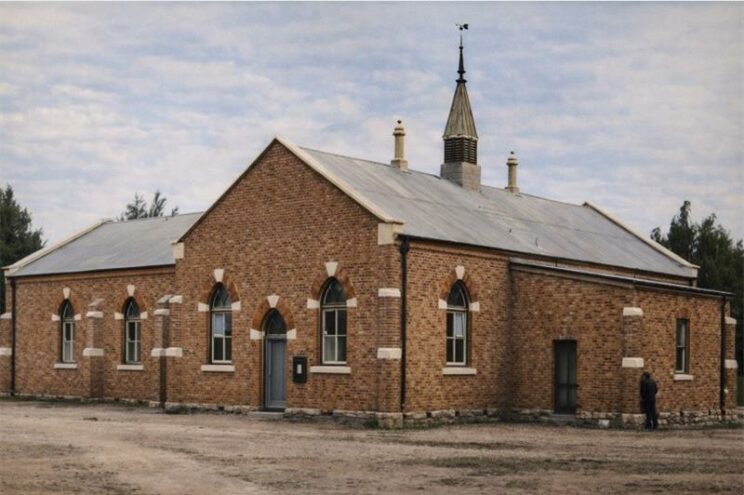
The final cost of £13 500 (around R38.5m today) was substantial. The debt was shared among 23 elders – a striking testament to communal responsibility and sacrifice.
“The decades that followed brought further expansion: new parsonages, restoration and enlargement of facilities, and in 1954, the establishment in Krugersdorp of South Africa’s first church music school of its kind. Under Willem Mathlener, organists were trained to serve congregations across the country. Once again, the local church led ecclesiastical innovation,” Jaco continued.
Endurance, legacy and community
Urban growth reshaped the congregation. Land exchanges secured future stands in new suburbs, and a new parsonage and hall were built near the old abattoirs, largely through donated labour and materials. By 1973, the congregation had been debt-free for more than a decade.
Yet change continued. Demographic shifts, suburban expansion, and economic pressures gradually altered the congregation’s size and character. Once the ‘mother’ of numerous congregations across the West Rand, growth slowed and stabilised. The era of rapid expansion gave way to consolidation.
“The story of Die Klipkerk is more than a building. It is the story of settlement after desolation, faith planted in uncertain soil, leadership marked by perseverance, and a community willing to carry burdens together. Its walls have witnessed frontier uncertainty, presidential ceremony, wartime interruption, musical innovation, suburban migration, and demographic change. Each generation believed it stood at a turning point – and in truth, each did,” Jaco said.
“Today, the congregation may no longer grow at the pace of earlier decades, but its significance cannot be measured in numbers alone. For over a century, it shaped spiritual life across the West Rand, mothered new congregations, trained musicians, and anchored a community through seasons of upheaval. Die Klipkerk stands not merely as stone and mortar, but as testimony to endurance, adaptation, and a faith that outlived the wilderness from which Krugersdorp itself was born.”