
‘Breast cancer among SA women increasing’
The older you are, the greater the danger of developing breast cancer – Affinity Health.
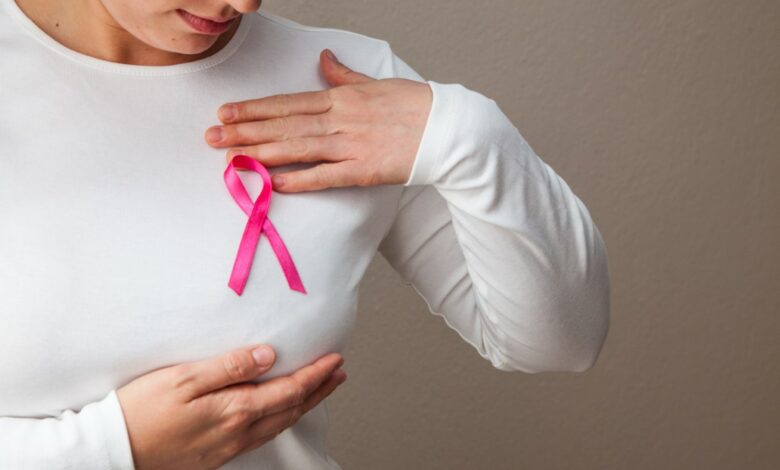
According to Affinity Health, the incidence of breast cancer among South African women is increasing.
The good news is that early detection saves lives!
The older you are, the greater the danger of developing breast cancer. But the disease can and does strike women under the age of 40. Hence, women must regularly examine their breasts and go for mammograms.
How common is breast cancer?
In 2020, there were 2.3 million women diagnosed with breast cancer and 685 000 deaths globally.
As of the end of 2020, there were 7,8 million women alive who were diagnosed with breast cancer in the past 5 years. That makes it the world’s most prevalent cancer.
Apart from non-melanoma skin cancer, breast cancer is one of the most common cancers in South Africa. One in 26 SA women is at risk of developing breast cancer. And 16% of cancer deaths are attributed to it. There is growing concern that most women present with late-stage cancers.
I Found A Lump, Now What?
One of the first signs of breast cancer is a painless lump in the breast tissue. Other possible signs include:
- Thickness or swelling of part of the breast.
- Dimpling of breast skin.
- Redness or flaky skin in the nipple area.
- Nipple discharge.
“Many breast lumps are harmless. But all lumps need a medical examination,” said Murray Hewlett, CEO of Affinity Health.
“Regular Breast Self-Examination (BSE), plays an important role in discovering breast cancer earlier. That serves to defeat finding a breast lump unintentionally.
A BSE is best done once a month, preferably at the same time of day, following a menstrual cycle. You may feel or see any change in your breasts or underarms. Once that happens, contact your health practitioner immediately.”
Cancer lumps often feel hard and grow steadily in the breast. Eventually, cancer spreads to the lymph glands, causing hard lumps to be felt under the arm, too. Any changes in the appearance and size of your nipples and breasts should also be examined.
The Breast Health Foundation (BHF) highlighted two particular indications of breast cancer:
• The first is an itchy, scaly, eczematous rashwhich can develop on the areola. That is the darker-coloured patch of skin around the nipple) or on the nipple itself. This rash can cause the skin to peel or become red and raw.
• The second symptom that can develop is an inversion and in-drawing of the nipple. Many women have naturally occurred and normal inverted nipples. But a nipple may suddenly become inverted, particularly on one side only. That would be a cause for concern that needs investigation.
The Word ‘Mammogram’ Scares Me!
A mammogram can sound like a scary word, but it is just a fancy name for a special x-ray to detect lumps in the breast. Contrary to some beliefs, mammograms do not prevent breast cancer. But they can save lives by finding breast cancer as early as possible.
Finding breast cancers early with mammography has more benefits. It also means that many more women can receive treatment for breast cancer as soon as possible. The sooner they receive treatment, the likelier they are to keep their breasts.
When caught early, localised cancers can be removed without resorting to breast removal (mastectomy).
Women from the age of 40 should go for an annual mammogram. Women 55 years and older should have a mammogram every two years.
Take Preventative Measures
If you want to help reduce your risk of breast cancer, do the following, starting right now:
- Know your genetic risks.
- Go for regular mammograms and essential health screening tests.
- Stop smoking.
- Limit your alcohol intake.
- Exercise at least moderately (aim for three times a week, for 30 minutes each time).
- Find out what your healthy weight is and stick to it.
- Always wear sunscreen when you are outdoors, in every season.
- Revamp your diet, cutting out junk food, sugar and high-fat foods.
- Try to reduce stress.
What you need to know about breast cancer
Death rates from breast cancer have been declining since about 1990. That is due to:
- Better screening and early detection.
- Increased awareness.
- Continually improving treatment options.
- When detected early, breast cancer has up to a 95% chance of successful treatment.
- One of the worst risk factors for breast cancer is obesity, especially after menopause.
- Men can also get breast cancer. Although rare, an estimated 2 470 men will be diagnosed with breast cancer.
- Breast cancer is a general term for all cancers that develop from breast tissue cells.
- The causes of breast cancer are mostly unknown. They may include several genetic, environmental, nutritional and hormonal factors.
- Symptoms of breast cancer are not visible in the early stages.
Any changes in the breast needs monitoring, especially if there are breast cancer signs like:
- Breast lumps
- Changes in nipple appearance
- Swelling under the arm or unusual nipple discharge.