UPDATE: Residents up in arms: dirty water and electricity bills
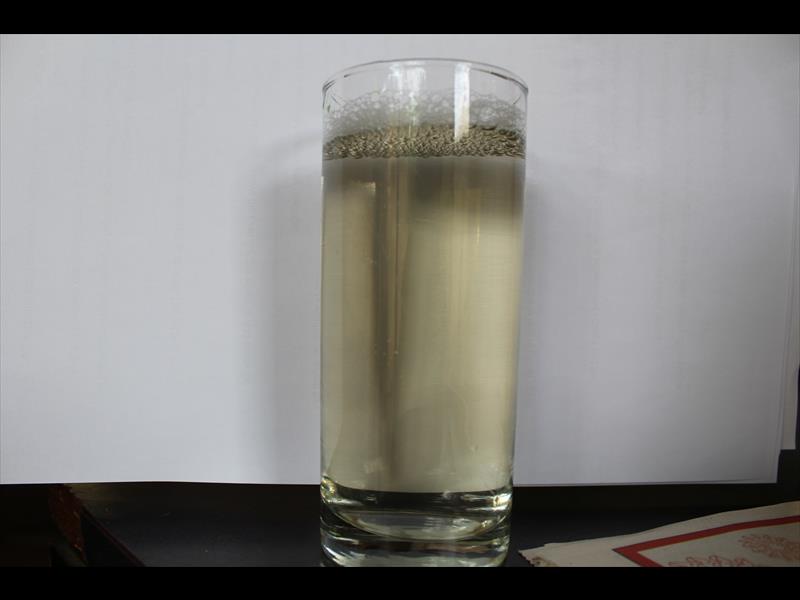
Residents of Tzaneen and other surrounding villages and towns are up in arms over dirty tap water and another sharp increase in their monthly electricity bills.
Tzaneen residents have experienced the same sudden rise in their electricity bills before, as the Herald reported at the end of 2015.
At the time, the Greater Tzaneen Municipality claimed the steep increase was due to faulty estimations that was done in the past.
According to the GTM they had to correct mistakes that was made by adding the difference to residents’ electricity bills. This year again, residents received bills with seemingly exorbitant increases in the amounts. Some residents received notifications at their homes with outstanding amounts and demands for payment.
According to the notifications non-payment would result in the residents’ electricity supply being cut off. Once again residents have to pay the price for the GTM dropping the ball. The whole situation begs the question: How can it be the fault of the consumer if the provider makes a mistake when pricing something?
Also, if this was the root of last year’s problem, why is it again the case? Did the GTM again do estimations instead of reading the meters like they should have done in the first place? Electricity is not the only challenge residents face, with most taps in the GTM area as well as in the Mopani Municipality providing dirty water (as reported by the Herald last week).
According to Khomotso Malatji, a local lawyer an water activist, the Mopani Municipality’s explanations do not hold water. Malatji claimed (in last week’s edition) that the Mopani Municipality will blame the low water levels of feeder dams for the dirty water. According to Malatji this is not the truth. He claimed the problem is caused by a variety of factors. Firstly, the lowered water levels should not be a problem, as the checmicals that are added could be adjusted, which would clear the water again. Secondly the water purification plants in the area do not have the capacity to service as many households as it is supposed to do. When these plants were built, far fewer water users lived in the area.
Thirdly, Malatji believes the old asbestos pipeline is falling apart. This pipeline is thought to have been installed somewhere in the 1960’s, long before it was found that asbestos was harmful to humans. Lastly, a lack of maintenance was also blamed for the dirty water by Malatji. When the Letaba Herald first interviewed Khomotso Malatji for last week’s issue, several fruitless attempts were made to get answers from the Mopani Municipality’s media representative, Neil Shikwambana.
The questions asked were: – The old asbestos water pipes. Maintenance seems to be an issue. Is this a fact? If so, what is the reason for this problem? Also, will these pipes be replaced with plastic pipes at some point? – Water purification plants. When were these plants built? Is there a plan in place to upgrade or expand these plants?
If so, please tell me more about the plan and expected time frame. – Muddy tap water. Residents complain about muddy tap water and apparently the Muni explained it as the lowered dam levels which causes the muddy water when it is pumped out. It is alleged that this should not be a problem as the chlorine mix that is added could be adjusted. After a week filled with several attempts to contact Shikwambana passed with no answer, he finally sent out a press release this Monday which did not answer any of our questions.
According to the release, the Mopani Municipality is urging residents to use water sparingly as the water levels of feeder dams in the vicinity has undergone an alarming drop due to the drought currently being experienced. No mention was made of the purification plants, the asbestos pipeline, or the lack of maintenance to facilities. The GTM’s media representative, Neville Ndlala was no better at his job.
Over the course of the last week, the Herald has sent 12 e-mails to Ndlala requesting comment and reminding him of the requests for comment.
Ndlala initially promised a press release on Monday 8 February but later informed the Herald that a media briefing would be held on Friday February 12 where all queries would be answered. Ndlala then cancelled the media briefing late on Thursday afternoon with no further explanations given. 2016 being the year of Municipal elections, one would’ve expected the GTM and Mopani Municipalities to make an effort to keep their voters happy.
The right to clean water is ensconced in South Africa’s Constitution.
Maybe it is time for the voters to make themselves heard at the polling stations.
Any residents who would like to take up the matters of water or electricity are welcome to contact the GTM’s Neville Ndlala at 073 076 2125 or via e-mail at neville.ndlala@tzaneen.gov.za or Mopani Municipality’s Neil Shikwambana at 083 444 2645 or via e-mail at neil.shikwambana@ gmail.com in the hope of receiving answers to their questions.
To read the GTM’s response, click on: https://tinyurl.com/jjr5lk6
To read the response on electricity, click on: https://tinyurl.com/gthqpkg