Eskom cuts off illegal connections in Giyani
Eskom kick-started its house-to-house audit exercise to rid the system of illegal connections as committed following protest action by the Giyani Shutdown campaign last week.
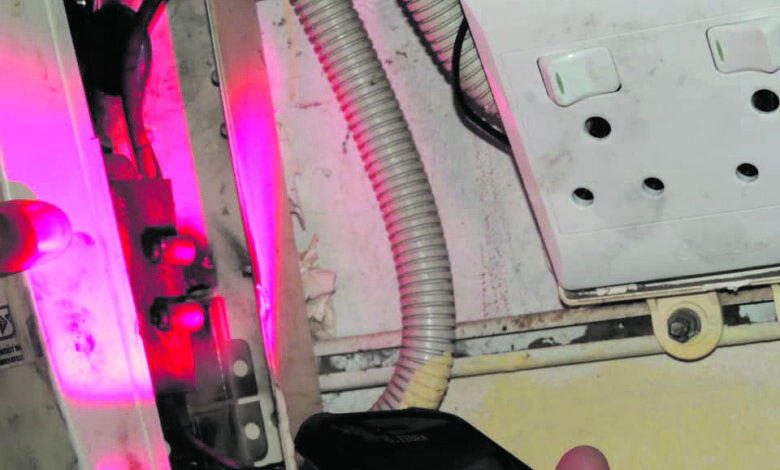
The removal of the illegal connections is the main driver of the load reduction implementation program, according to Eskom. In reaction to the load reduction, a protest and shutdown were organised on June 24 with all roads leading to the central business district being blocked. At the meeting last Monday, the Eskom team said that they will try to act as fast as they can to solve the load reduction problem.

Giyani Shutdown campaign organisers and representatives from Eskom held a meeting at the Greater Giyani Municipality’s (GGM) offices to decide on the best way forward. Already, a shocking discovery on the first day of the audit seems to confirm Eskom’s assertion that illegal connection is rife in the identified areas.
Also read: Protesters and Eskom reach agreement on load reduction
The audit action continues unabated. Eskom is supported by various stakeholders including local police and the GGM represented by Exco members responsible for Water, Sanitation, and Energy, councillor Gezani Maluleke and the affected community representatives. Over 150 illegally connected infrastructures were safely removed, Eskom said in a statement on June 20. They also issued fines to five people for tampering with Eskom infrastructure.