Cross-border trail connects Kruger Park and Zimbabwe
The Sengwe-Tshipise Corridor shortens travel between Kruger and Gonarezhou parks, boosting tourism, community benefits, and cross-border conservation.

LIMPOPO – A newly established cross-border tourism initiative between South Africa and Zimbabwe is set to significantly improve travel times and experiences for tourists visiting the Kruger and Gonarezhou national parks, thanks to the launch of the Sengwe-Tshipise Corridor near the Pafuri Gate in northern Kruger National Park (KNP).
H O W T H E C O R R I D O R C A M E T O L I F E
The trail, which connects the KNP in South Africa directly to Gonarezhou National Park in Zimbabwe, was initiated in 2021 by Sanparks as a pilot project aimed at simplifying cross-border access for tourists.
However, it had not been operational until it was officially approved in May this year by the Home Affairs Minister in conjunction with the Border Management Authority (BMA). The crossing is said to be the fastest route to Gonarezhou National Park in Zimbabwe.
“When you cross this river, you immediately enter Chikwarakwara village, which falls under the Beitbridge Rural District Council in Zimbabwe,” explained Aubrey Maluleke, the park manager of the Pafuri area. “From there, the trail leads into Sengwe under the Chiredzi Rural District Council in Masvingo Province, and eventually into Gonarezhou National Park.”
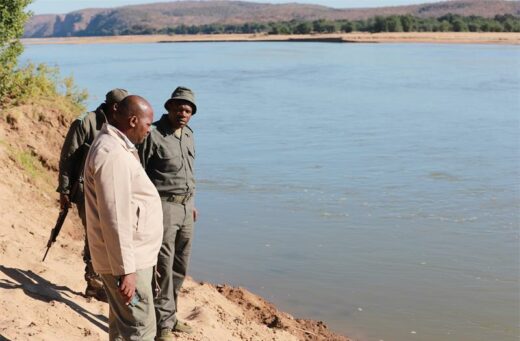
The Sengwe-Tshipise Corridor forms a vital component of the Great Limpopo Transfrontier Park (GLTFP), a vast conservation landscape that includes Kruger National Park in South Africa, Gonarezhou in Zimbabwe, and Limpopo National Park in Mozambique.
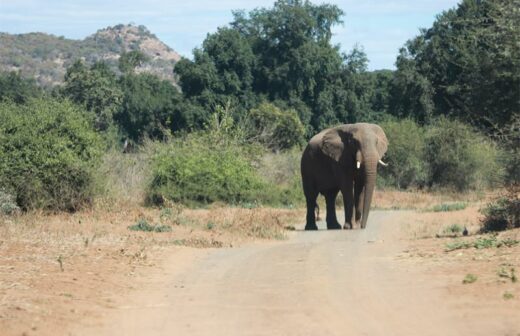
The corridor supports ecological connectivity, allowing wildlife to roam freely across national boundaries and enhancing biodiversity conservation.
C R O S S I N G R U L E S :
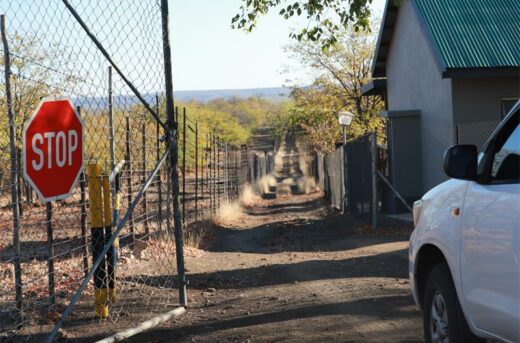
“The corridor is a scheduled crossing, meaning it won’t be available throughout the week,” continued Maluleke. “It will only operate twice a week; on Tuesdays and Fridays between 11:00 and 15:00, and it is strictly reserved for 4×4 vehicles and pre-scheduled tour groups,” he added.
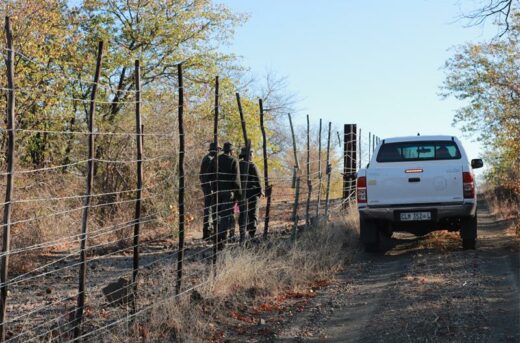
He explained that tourists crossing into Zimbabwe on a Tuesday must stay until Friday, when the crossing window reopens for the return trip.
The same rule applies to tourists coming from Zimbabwe into South Africa.
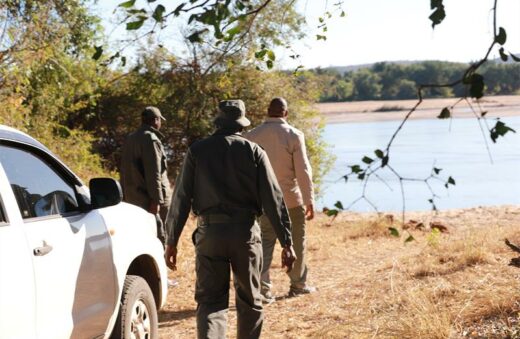
C U T T I N G H O U R S O F F T H E J O U R N E Y
According to him, many tourists visiting Kruger National Park often have bookings at Gonarezhou National Park but are discouraged by the long and challenging journey via the Beitbridge. The new crossing is designed to address this concern.
“This route drastically reduces travel time for tourists who would otherwise have to go through the Beitbridge border post, a journey that can take up to two days. With the new trail, it only takes about an hour and thirty minutes from Kruger to Gonarezhou,” said Maluleke.
S E A S O N A L A C C E S S A N D S A F E T Y M E A S U R E S
Meanwhile, the trail is intended to operate seasonally, from July to December, when the river is usually low enough to cross safely. However, unreasonably high water levels this year have delayed the opening, with SANParks hoping that the river will be navigable by the end of August.
“We are going to have a Trophy Adventure Trail on August 31, where a group of 20 overland vehicles is scheduled to cross into Zimbabwe using this crossing point,” said Maluleke. “And since this is a special arrangement, the BMA team will come to support us,” he added.
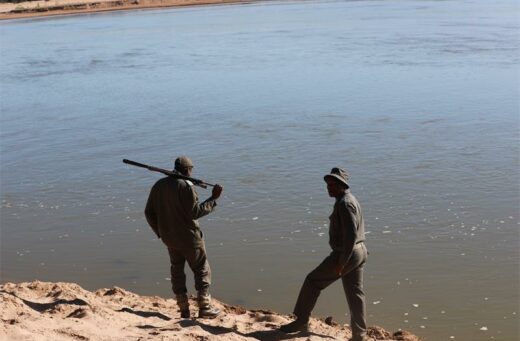
When asked about contingency plans if the river remains too high to cross during the months designated for crossing, Maluleke explained that a pontoon ferry would be introduced to transport tourists and their vehicles safely across.
“This is an adventure trail, strictly for 4×4 vehicles,” he said. “As much as we want to keep it that way, if the river is not crossable, we will bring in a pontoon ferry to ensure the experience continues safely.”
C O M M U N I T I E S R E A P T H E R E W A R D S
To ensure local communities benefit from the project, a community development levy of approximately $10 will be charged per tourist at the crossing.
“This fee will be shared between the Makuleke community in South Africa and the Chikwarakwara community in Zimbabwe, as the trail traverses communal land in both areas.”
Sanparks is also said to be engaging with the authorities to extend crossing hours in the future and improve the overall processing experience.
“This initiative isn’t just about tourism,” Maluleke concluded. “It’s about strengthening regional cooperation, empowering communities, and protecting our shared natural heritage.”