Hoedspruit wildlife centre struggles to feed animals amid FMD
Cheetahs, leopards, and wild dogs at HESC are at risk as beef supplies dwindle as the foot-and-mouth outbreak creates a nationwide shortage.
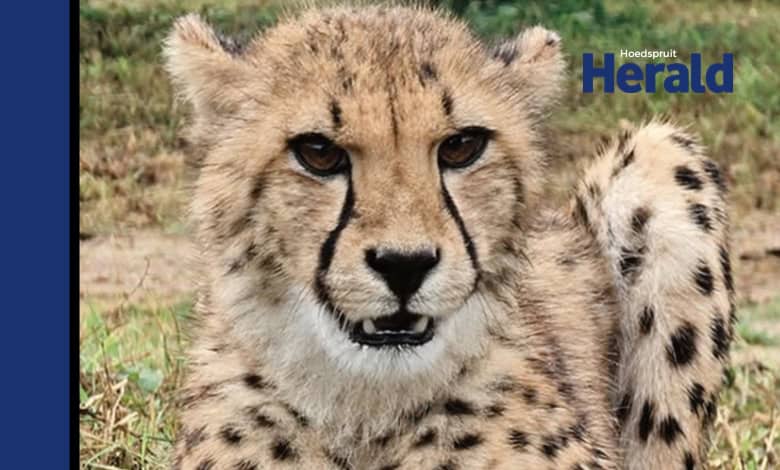
HOEDSPRUIT – The ongoing foot-and-mouth disease (FMD) outbreak in South Africa is having a devastating effect on the country’s meat supply, leaving wildlife centres struggling to feed their carnivorous residents.
Meat shortage hits endangered species centre
Among the most affected is the Hoedspruit Endangered Species Centre (HESC), which has issued an urgent appeal for meat donations to ensure the health and well-being of its animals.
Founded in 1990, HESC is a renowned conservation and rehabilitation centre dedicated to the protection of South Africa’s endangered species.
The centre provides a home for predators such as cheetahs, leopards, wild dogs, and other vulnerable wildlife, many of which cannot survive in the wild due to injury, abandonment, or threats from poaching.
Over the years, HESC has gained international recognition for its work in breeding, research, and conservation education, as well as its hands-on efforts to rehabilitate injured wildlife.
The FMD outbreak has created a nationwide shortage of beef, which is a staple in the diets of many of HESC’s predators.
“We rely heavily on beef and other meats to feed our animals,” said a spokesperson from the centre. “We also supplement their diets with donated wildlife carcasses, but the current outbreak has made it increasingly difficult to source enough meat. Without sufficient food, the health and well-being of our animals are at serious risk.”
Appeal to abattoirs, butcheries and reserves
HESC is reaching out to abattoirs, butcheries, and private reserves that may be able to provide meat donations.
The centre is fully equipped to store and transport the donations safely, with cold storage trucks and freezers on hand. Every donation will be thoroughly inspected before being fed to the animals to ensure their safety.
The centre’s staff are working tirelessly to manage the crisis, but they stress that community support is critical.
“Even small contributions can make a huge difference,” the spokesperson added. “We are appealing to anyone who can help, or who knows someone who can, to please contact us as soon as possible.”
By assisting HESC during this challenging period, donors help to directly sustain South Africa’s endangered wildlife. The centre’s work ensures that predators receive the nutrition and care they need to thrive, while also supporting broader conservation efforts aimed at protecting the country’s biodiversity for future generations.
Every donation is more than just food; it is a lifeline for animals that cannot survive without human intervention.
Anyone who wants to donate can contact them by email at admin@hesc.co.za or call them at 083 654 2299.