Acornhoek youth inspire vulture conservation through art
Acornhoek learners join Wild Shots Outreach and EWT to raise awareness through photography and art, inspiring new conservation voices.
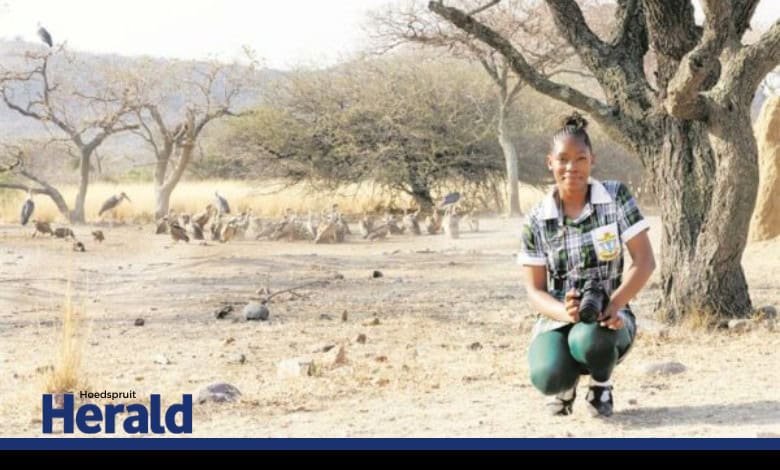
HOEDSPRUIT – “I love vultures. If there are no vultures, many of us will get sick. They are very important to all of us because they clean up carcasses and prevent the spread of disease. They help keep nature in balance, and we must coexist with vultures,” says 18-year-old Fikile Makhubele, a student at Shobiyane High School in Acornhoek, near the Greater Kruger area.
South Africa’s vultures are in serious trouble. Four of the country’s six most familiar species are now classified as critically endangered, with populations plummeting due to poisoning, habitat loss, and poaching. Earlier this year, two mass poisoning incidents in the Greater Kruger claimed hundreds of vultures, devastating blows to already fragile populations.
Yet in the heart of this crisis, a spark of hope is emerging among young people. A unique collaboration between Wild Shots Outreach (WSO), the Endangered Wildlife Trust (EWT), and local schools is helping inspire the next generation of conservation storytellers.
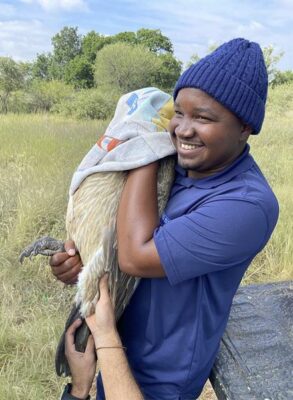
The initiative began when Rifumo Mathebula, programme director of WSO, joined EWT researchers in the field to learn about vultures. The short video he produced that day, explaining why vultures matter, went viral, reaching more than 1.7 million South Africans and igniting fresh public interest.
Through its award-winning photography workshops, WSO connects rural youth with wildlife, often for the very first time. “We aim to give young people a voice and a sense of pride in their natural heritage,” says Harriet Nimmo, co-founder of WSO. “When learners see these animals through their own camera lenses, they begin to care deeply about protecting them.”
At Shobiyane, art teacher Walter Sibuya has embraced that mission. After students attended a WSO photography workshop and enjoyed their first game drive on a nearby reserve, they celebrated International Vulture Awareness Day with a visit to Moholoholo Wildlife and Rehabilitation Centre. There, students captured striking photographs of vultures feeding at the centre’s ‘vulture restaurant’.
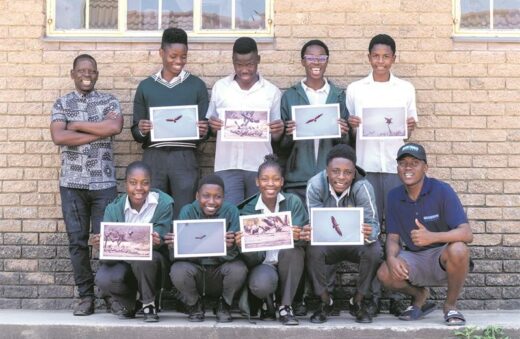
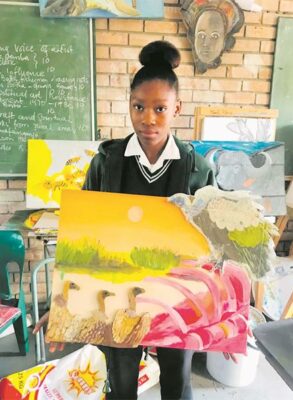
Back in class, Sibuya encouraged his students to express what they’d seen through art. One of them, Fikile, painted a vivid composition that later won a prize at the Mpumalanga Arts Festival.
“It was amazing seeing wild vultures up close and watching their behaviour. I want young people like me to learn to love vultures and understand how important they are to humans. We cannot have a healthy environment without these majestic birds,” Fikile said.