Limpopo teachers must adapt for digital learners
The Limpopo Learning Improvement Programme urges teachers to rethink teaching for the digitally immersed Generation Alpha learners.
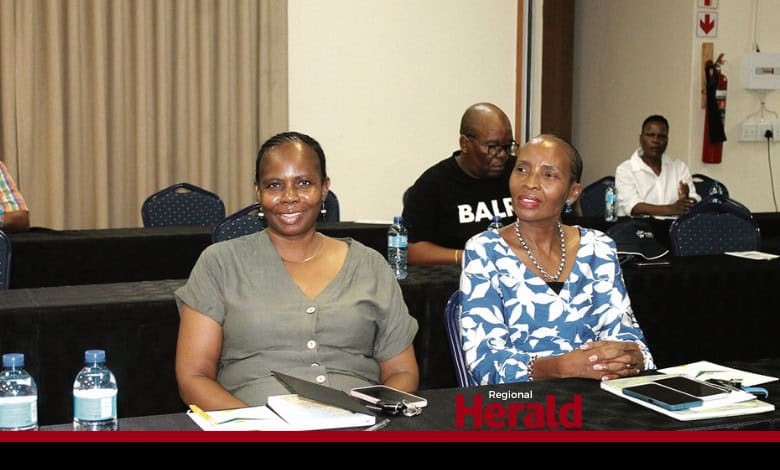
LIMPOPO – Teachers must equip themselves to understand and teach Generation Alpha, the digitally immersed learners born between 2010 and 2025.
This was one of the key messages to emerge from a three-day workshop hosted by the National Education and Collaboration Trust (NECT) in partnership with the Limpopo Department of Education, held at Karibu Leisure Resort in Tzaneen as part of the launch of the Limpopo Learning Improvement Programme (LLIP).
The LLIP is an evidence-based education intervention developed to address declining learning outcomes across the province.
It aims to strengthen foundational skills in mathematics and English at the critical transition grades of 4, 8, and 9. Circuit managers, curriculum advisors, and district directors from across Limpopo attended the workshop, which was led by experts from the NECT and grounded in research conducted by the organisation.
Education must adapt to a digital-first generation
The programme opened with a presentation by Vusi Mashabane, who focused on the defining characteristics of Gen Alpha. He said teachers need to adapt to this digitally oriented generation, describing them as the future workforce that will operate in a world shaped by rapid technological advancement.
“Whatever we are going to discuss in this workshop must cater to this generation. Education can no longer be done as it was in the past,” Mashabane said. “This is an inclusive generation; they play and learn virtually, they have friends across the world, and even sectors like medicine are shifting to software-dependent systems. Soon, traditional medical training might no longer look the same.”
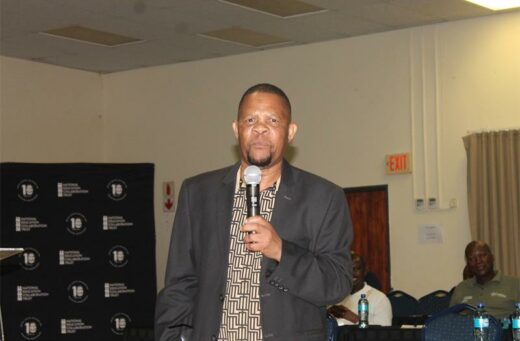
On the same day Dr Moss Mashamaite highlighted the importance of the education sector, calling it a trillion-dollar industry that must be treated with seriousness.
He outlined four core pillars needed to empower learners: access to the right tools, supportive systems, a safe digital ecosystem, and strong emotional development.
“If our curriculum cannot produce matriculants who can compete globally then something needs to change,” he said.
He also questioned the culture of rewarding learners prematurely. “Why buy a matriculant a R20 000 matric dance dress before their final exams?”
The second day of the workshop focused on literacy, particularly why many learners still struggle to read and write effectively in the foundation phase.
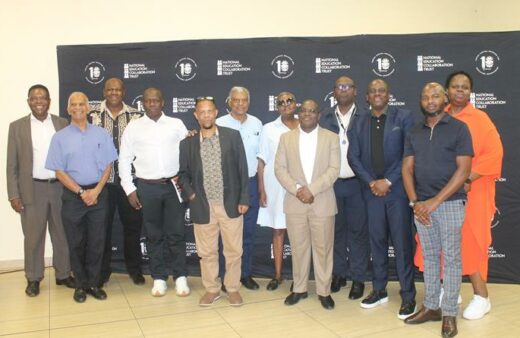
NECT CEO Dr Godwin Khosa said the LLIP seeks to close gaps in the system by returning to the basics, making optimal use of teaching time, and ensuring that learners read and write every day.
“This is about strengthening programmes that already exist, reinforcing proactive accountability and improving monitoring,” Khosa said.
Department commits to ongoing education reform
Education MEC Mavhungu Lerule-Ramakhanya said the department is committed to continuously reassessing what works and what must change to improve learning outcomes across the province.
Reflecting on the workshop, Thabina circuit manager Dr Nkhensani Mbhalati, said she felt empowered by the training and better prepared to support Gen Alpha learners moving forward.