Koru Camp opens Greater Kruger to local communities
Koru Camp is giving local communities access to nature through conservation education, reconnecting people with their natural heritage.
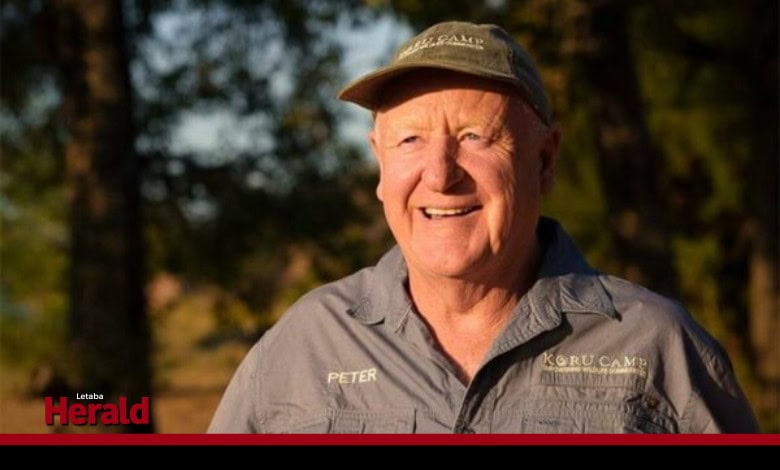
LIMPOPO – Nestled in the heart of the Greater Kruger, surrounded by trees and the wild sounds of the bushveld, lies Koru Camp.
This is a place where conservation meets community, but this is no ordinary safari destination. Koru Camp is a nonprofit initiative aiming to reconnect local people with the wilderness that has long been part of their heritage, but remained inaccessible to them.
Reclaiming access to ancestral wilderness
For generations, communities living adjacent to the Kruger National Park were excluded from its vast natural beauty. The Native Settlement Act of 1952 saw millions of Black South Africans displaced from their ancestral lands, many of which later became part of the park.
During apartheid, Black people were permitted to work in conservation areas, but not to enjoy them as visitors.
While democracy has changed the laws, access to these spaces is still made difficult; from costly park entrance fees to limited transport and the expense of guided game drives marketed mainly to international tourists.
Koru Camp is changing that narrative.
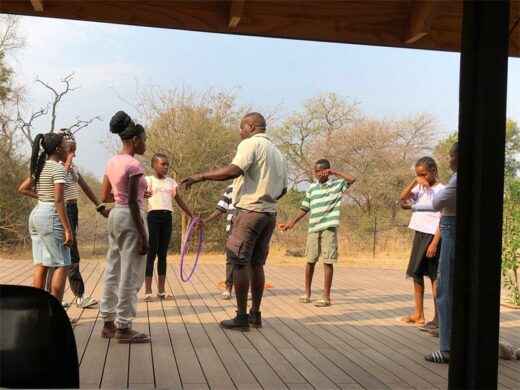
“Many of our participants live just kilometres from the park fence, yet their families have never had the chance to set foot inside,” says Corne Havenga of Koru Camp. “We believe conservation should be inclusive, that everyone, especially those who live closest to the land, should have access to the wilderness and the opportunity to connect with it.”
Founded on the belief that conservation begins with connection, Koru Camp opens the gates of the Greater Kruger to local children and community members who have never experienced the park before.
“Every South African deserves to witness the beauty of their own natural heritage,” adds Havenga. “When young people experience nature firsthand, they begin to understand its value, and that’s how we build future custodians of our environment.”
A transformative first encounter
Since its inception, more than 1 995 beneficiaries have taken part in Koru Camp’s immersive environmental education programmes.
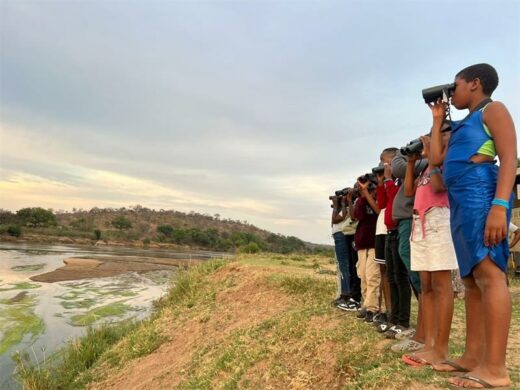
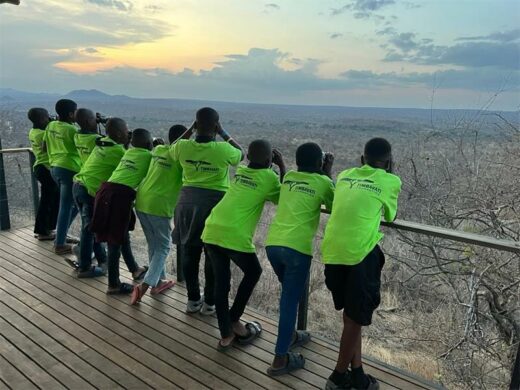
Participants, often from underprivileged schools and rural communities, stay in fully equipped tents amid the wild. Days are filled with game drives, guided nature walks, bird-watching, and stargazing, all designed to foster a sense of wonder and respect for the environment.
The experience is transformative.
“You can see the shift in their eyes,” says one of the camp’s guides. “For many, it’s their first time seeing an elephant or hearing a lion roar. That moment of connection is where conservation truly begins.”
Empowering future custodians of the bushveld
Koru Camp’s holistic approach extends beyond wildlife appreciation.
The camp promotes sustainable living, introducing participants to vegan and vegetarian cooking and exploring how food choices impact the planet. It’s a small but powerful lesson in environmental stewardship.
For Koru Camp, conservation isn’t just about protecting animals, it’s about empowering people. By providing access to the bushveld and fostering a love for the wilderness, the camp is helping to cultivate a new generation of environmental ambassadors.