Uneven rainfall for Tzaneen, Haenertsburg areas
Forecasts warn of continued sporadic, localised summer rainfall for the Tzaneen and Haenertsburg regions.

TZANEEN – The first week of January has brought uneven but welcome rainfall across parts of the Greater Tzaneen and Haenertsburg areas, with light drizzle recorded near Tzaneen Dam and significantly heavier falls along the escarpment in George’s Valley.
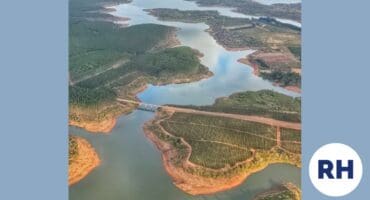
At the Macadamia farming area near Tzaneen Dam, rainfall over the period from January 1-6 was generally light, characterised mainly by drizzle and isolated thundershowers. The most substantial rainfall at this site was recorded on the morning of January 1, when a thundershower delivered 27mm.
This was followed by smaller amounts over subsequent days, including 0.5mm on January 2, 2mm on January 3, 3.1mm on January 4, and 1.2mm of drizzle in the 24 hours leading up to 05:00 on January 6.
In total, the Macadamia–Tzaneen Dam area received approximately 33.8mm of rain during the six-day period.
While the rainfall has contributed to soil moisture, the predominance of light drizzle has limited runoff into dams and rivers.
In contrast, the Haenertsburg and George’s Valley area experienced more substantial rainfall. Measurements taken at Allandale Timbers, F4, in George’s Valley recorded 42mm on January 1, followed by a further 26mm on January 4. The combined total of 68mm over four days reflects the typical pattern of higher rainfall along the escarpment, where moist air is lifted and enhanced rainfall often occurs.
The variation in rainfall between Tzaneen and Haenertsburg highlights the highly localised nature of summer precipitation in the region. While lower-lying areas received modest and intermittent falls, escarpment zones benefitted from stronger convective activity and heavier showers.
Farmers and residents are advised to continue monitoring conditions closely, as forecasts indicate that summer rainfall may remain sporadic, with showers varying significantly over short distances. Further widespread rainfall will be needed to sustain crops, replenish water resources and support grazing conditions as the season progresses.