‘Dangerous and undignified’: Pit toilets in Mopani schools
Despite national promises, many rural schools in Mopani District still rely on dangerous pit toilets and face overcrowding.
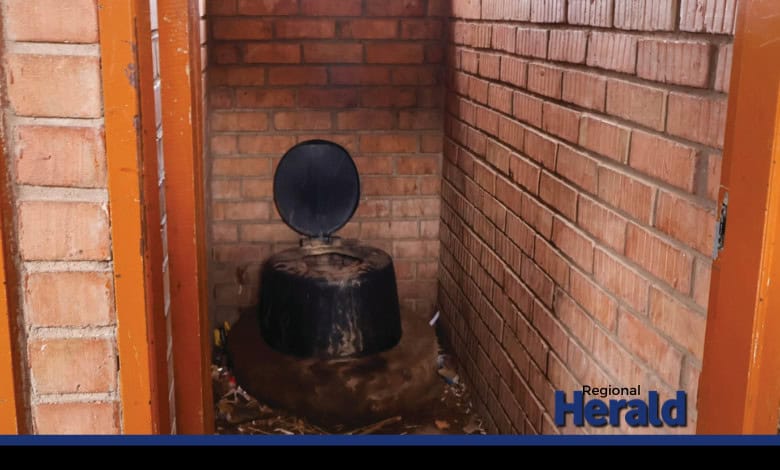
LIMPOPO – Despite repeated government promises to eradicate unsafe sanitation in schools, many rural learners in Mopani District continue to attend classes at schools that still rely on pit toilets and crumbling infrastructure.
Several schools in deep rural villages remain without proper sanitation, adequate classrooms or basic facilities, years after national deadlines were set to eliminate pit latrines and improve learning conditions.
Pit toilets, overcrowding, a problem
At one primary school outside Giyani, learners are forced to use pit toilets that parents describe as “dangerous and undignified”.
“We fear for our children every day,” said one parent, Basani Maluleke. “These toilets are old and unsafe, but nothing has been done despite complaints.”
The Department of Education is committed to eradicating pit toilets nationwide, following several tragic incidents in which learners lost their lives. However, parents and school governing bodies in Mopani say rural schools continue to be overlooked while infrastructure upgrades are concentrated in urban and semi-urban areas.
The school governing body at a rural secondary school said overcrowding remains a major challenge.
“We have more than 60 learners in one classroom because new classrooms were promised but never built,” they said. “Teaching and learning suffer, but rural schools are always last in line.”
Calls for action to address backlog
Community members allege that some infrastructure projects were started but never completed, leaving schools with half-built classrooms and unused foundations.
Education activist Merriam Mokoena warns that the ongoing infrastructure backlog deepens inequality between rural and urban schools.
“Learners in rural areas are expected to compete academically with learners who have libraries, laboratories and safe toilets,” said Mokoena. “That is not fair and it affects results and morale.”
The Department of Education has previously cited budget constraints, contractor challenges and logistical issues as reasons for delays.
At the time of going to print, the department had not responded to questions on how many schools in Mopani still use pit toilets or when they will be replaced.
As schools prepare for the new academic year, parents are calling for urgent intervention.
“Our children deserve dignity and safety,” said Daisy Malungane. “Being from a rural village should not mean being forgotten.”