Mopani water infrastructure projects: Promise vs reality
Despite billions spent on major water projects in Mopani, many communities still face daily water shortages, dry taps and unfinished infrastructure.
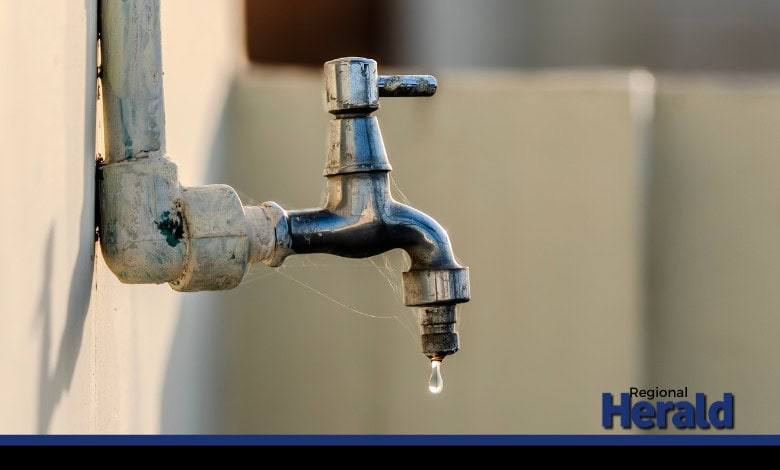
LIMPOPO – For years, residents of Mopani have been told that relief is on its way. Multibillion rand water infrastructure projects have been announced with fanfare, budgets approved, and completion dates promised. Yet for many communities across the district, the daily reality remains unchanged: dry taps, long queues at communal boreholes, and a reliance on water tankers that arrive late or not at all.
Two of the most prominent projects, the Giyani Bulk Water Project and the Mametja-Sekororo Bulk Water Project, were meant to be game-changers. Together, they were designed to supply reliable, treated water to dozens of villages that have struggled with shortages for decades.
On paper, these projects symbolised progress and a commitment to restoring dignity through access to clean water. The reality on the ground, however, tells a different story.
Promised water projects remain incomplete
The Mametja-Sekororo project, launched more than a decade ago at a cost exceeding R1b, is still incomplete. Despite repeated assurances that work is nearing completion, many villages in the Sekororo area continue to rely on unsafe water sources or tanker deliveries. Residents say they have lost faith in timelines that shift year after year.
Similarly, the Giyani Bulk Water Project, which cost billions, has been plagued by delays, planning challenges and governance concerns. While some bulk infrastructure has been completed, the critical last step, reticulation to households, remains unfinished in many areas. As a result, water flows through new pipelines but fails to reach taps in homes.
Community frustration has boiled over on several occasions. Residents have staged protests, demanding answers and immediate solutions. Many question how so much money can be spent with so little visible improvement in their daily lives.
Officials cite delays while residents lose faith
Mopani District Municipality has acknowledged challenges, citing ageing infrastructure, vandalism, electricity supply issues and limited technical capacity. Officials also point to ongoing interventions, including borehole repairs, refurbishment of water treatment works and the use of emergency water tankers to mitigate shortages.
However, critics argue that these measures treat symptoms rather than causes.
Civil society organisations and opposition parties have raised concerns about poor project management, weak oversight and a lack of accountability for stalled or failed projects. They say communities deserve transparency about how public funds are spent.
Experts warn that without proper maintenance plans and skilled technical staff, even completed infrastructure will struggle to deliver long-term benefits. Water infrastructure is not just about building pipelines and reservoirs, but about ensuring sustainable operation, maintenance and monitoring.
As Mopani enters another summer season marked by high temperatures and increased demand, the gap between promise and reality becomes starker.
For residents, access to water is not a political talking point or a budget line item, it is a basic necessity.