Phalaborwa writer tackles social issues in The Broken Village
Phalaborwa-born storyteller Cyprus Shai explores GBV, addiction and teenage pregnancy in her upcoming production.
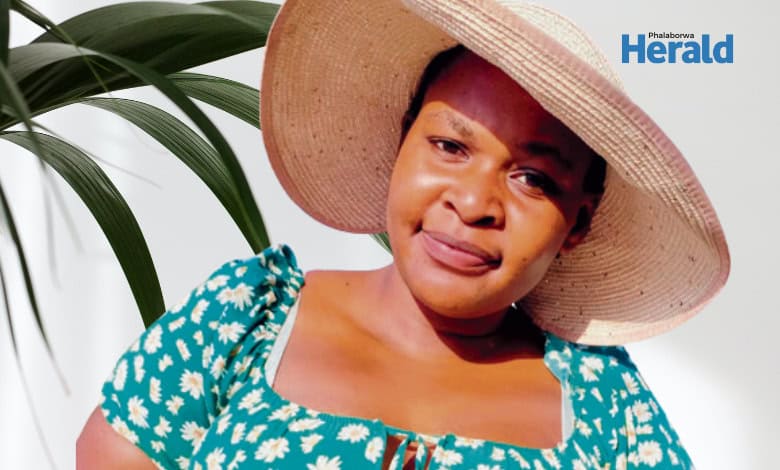
PHALABORWA – Born and bred in Phalaborwa, writer and manager Cyprus Shai is emerging as one of the most grounded new voices in storytelling.
Her latest project, The Broken Village, is not just a work of fiction; it is a mirror held up to a community grappling with deep socio-economic fractures.
Shai says the concept for The Broken Village was born from lived observation rather than imagination. Growing up in Phalaborwa, she witnessed how teenage pregnancy, gender-based violence (GBV), and substance abuse repeatedly intersect, creating what she calls a “broken social fabric”.
For Shai, the motivation to write came from an inability to look away. She speaks of young men lost to crystal meth, roaming neighbourhoods, schoolgirls carrying babies instead of books, and women living in fear behind closed doors.
“This story is my way of demanding that we stop walking past the pain and start finding ways to heal our home,” she said.
One of the central messages of The Broken Village challenges how society views addiction.
“Drug use is rarely the beginning of the problem,” said Shai. “It’s often a desperate response to collapse internal or external.”
In Shai’s narrative philosophy, the “village” represents the systems meant to hold people up: family, community, and social support.
Beyond writing, Shai also managed the production often with no initial funding. She describes her approach as treating structure and canvas with passion. “Discipline isn’t the enemy of creativity,” she notes. “It’s the vehicle that gets our stories seen.”
Operating under tight constraints forced her to “write for reality,” reshaping scenes and roles to be high impact. A key part of Shai’s process involved close collaboration with directors and casting professionals.
By tailoring roles to actors and focussing on subtext and motivation, the production reduced friction on set and strengthened performances. This collaborative “brain trust” approach also provided a platform for local talent, reinforcing the project’s social mission. In a world facing global economic shifts, Shai believes The Broken Village resonates because it reflects the struggle of “making something from nothing.”
Looking ahead, Shai plans to continue telling stories that educate and entertain simultaneously. Her focus remains on issues shaping the economy and everyday life, using film as both a mirror and a tool for dialogue.
“I don’t write for spectacle,” she said. “I write for human truth. If the audience leaves asking better questions, then the story has done its job.” The Broken Village is currently still in production and will be released on YouTube.