Passive traps: A humane option for Hoedspruit’s snakes
Snakes control rodents and keep local food webs healthy, so the Hoedspruit Reptile Centre says the goal is to move them away from people, not wipe them out.
HOEDSPRUIT – Residents, lodge owners and businesses in the Hoedspruit area now have another option for dealing with unwanted snake encounters without using poison, bait or harming the animals.
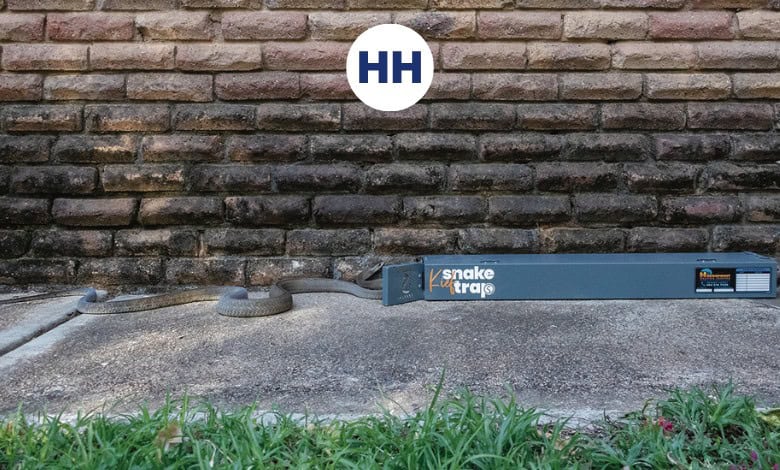
Passive-capture snake traps are now available locally and exclusively from Hoedspruit Reptile Centre (HRC), offering a system that can remain in place around the clock.
Following the snakes’ routes
According to HRC owner Chris Cooke, the traps take advantage of snakes’ natural movement patterns rather than attracting them with bait.
“Snakes often move alongside walls, fences, buildings and other structures when travelling between shelter and foraging areas,” Cooke said. “By positioning the trap along these natural travel routes, we can provide an effective way of capturing the snake without deliberately harming it.”
The trap presents a dark, enclosed passage that a snake may naturally enter while moving through an area. Once the snake moves through the device, an internal mechanism is activated and non-return doors close, safely containing the animal.
An audible alarm then alerts the property owner that the trap has been triggered.
Where it could help
Cooke said the system could be particularly useful for homes, farms, lodges, estates and businesses where snake encounters occur regularly.
Rather than only responding once someone unexpectedly encounters a snake, the traps provide an additional preventative measure that remains ready for an animal moving through the property.
After the capture
Once a snake has been captured, trained and experienced individuals can release it appropriately. Alternatively, residents can contact HRC, which provides a free snake rescue and relocation service 24 hours a day, seven days a week.
Recorded before release
Captured snakes collected by HRC also contribute to ongoing research.
“Snakes brought back to the centre are processed before they are relocated, and important information from each animal is recorded,” Cooke explained.
The information contributes to a growing scientific dataset documenting snakes encountered in the region. DNA samples are also collected for HRC’s biobank project, creating a biological resource that may assist future research and conservation efforts.
Why snakes still matter
Cooke emphasised that the aim is not to eliminate snakes from the Lowveld environment.
“Snakes are valuable predators and an essential part of healthy ecosystems. They help control rodents and other animals and play an important role in our local food webs,” he said.
We want snakes in our environment, but we don’t necessarily want a venomous snake underneath the veranda, next to a lodge pathway or inside a workplace.
Passive capture therefore provides a middle ground between human safety and wildlife conservation, allowing unwanted snakes to be contained, safely relocated and potentially contribute to scientific research.
Contact details
Passive-capture snake traps are available for purchase or rental from Hoedspruit Reptile Centre.
For trap enquiries or HRC’s free 24/7 snake rescue and relocation service, contact 064 516 7439 or 015 795 5203.