Illegal mining threatens Blyde River with cyanide pollution
Illegal mining syndicates are using cyanide and heavy metals near Pilgrim's Rest, with the Blyde River Task Force warning of serious pollution risks.
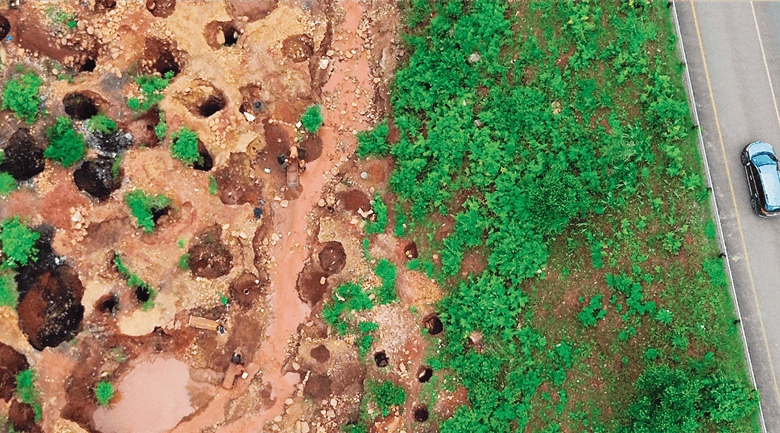
HOEDSPRUIT – Illegal mining syndicates continue to operate across the Pilgrim’s Rest and Blyde River catchment, with the Blyde River Task Force warning that ongoing pollution poses a growing threat to water resources, agriculture, tourism and biodiversity.
The illegal mining crisis unfolding in the Pilgrim’s Rest and Blyde River catchment has intensified over the past three years, with the Blyde River Task Force (BRTF) estimating that approximately 65 active illegal mining sites are currently operating within the area it monitors.
According to BRTF representative De Wet du Toit, the situation has developed far beyond isolated illegal mining activities and has become what the organisation describes as organised environmental criminality.
“The situation has spiralled completely out of control over the past 36 months,” Du Toit said.
Cyanide and heavy metals detected
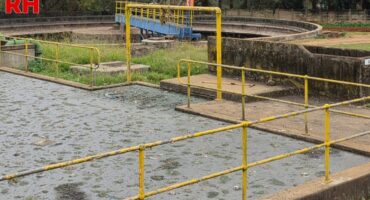
The task force alleges that illegal gold-processing operations are using cyanide and other hazardous chemicals, with contaminated runoff entering surrounding river systems. Du Toit said the organisation has collected accredited samples from illegal processing sites indicating the presence of heavy metals and cyanide.
“At considerable risk to our agents, we have managed to retrieve positive, accredited samples for heavy metals and cyanide from illegal gold-processing sites,” he said.
While cyanide contamination remains a major concern, Du Toit said sediment pollution posed an equally serious threat.
Livestock deaths reported
The BRTF’s aerial surveillance, foot patrols and turbidity sampling along the Blyde River have, it says, documented a link between illegal mining and increased sediment entering the river.
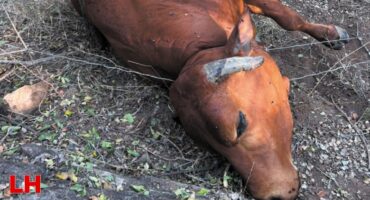
The organisation has also raised concerns about livestock losses near illegal processing sites. Du Toit said interviews with farmers, herders and landowners suggested about 90 cattle may have died after exposure to cyanide dams.
“My concern is not so much for the cattle which is expiring, but more for the cattle which is exposed to lead, mercury and cyanide and then later consumed, unknowingly, by local families,” he said.
Despite police interventions and a specialised anti-mining task team, Du Toit said illegal mining remained a challenge in the remote terrain around Pilgrim’s Rest.
“There has been a response from the police, and that response is making some difference,” he said. “However, if we are going to succeed in the long term, we need to become far more strategic in how we deploy resources.”
A warning for the future
He warned that continued pollution could affect downstream communities, Hoedspruit’s agricultural export industry, tourism and ecosystems linked to the Kruger National Park.
“The Blyde is a warning. We need to act before the damage becomes irreversible,” Du Toit said.
The BRTF called for comprehensive scientific testing of the river system and stronger action against those responsible. The allegations remain subject to independent verification by environmental authorities, water specialists and law enforcement agencies.