Sanral must provide accurate bills – NCC
Sanral must provide correct and accurate billing before motorists are compelled to pay their e-toll balances, the National Consumer Commission has said.
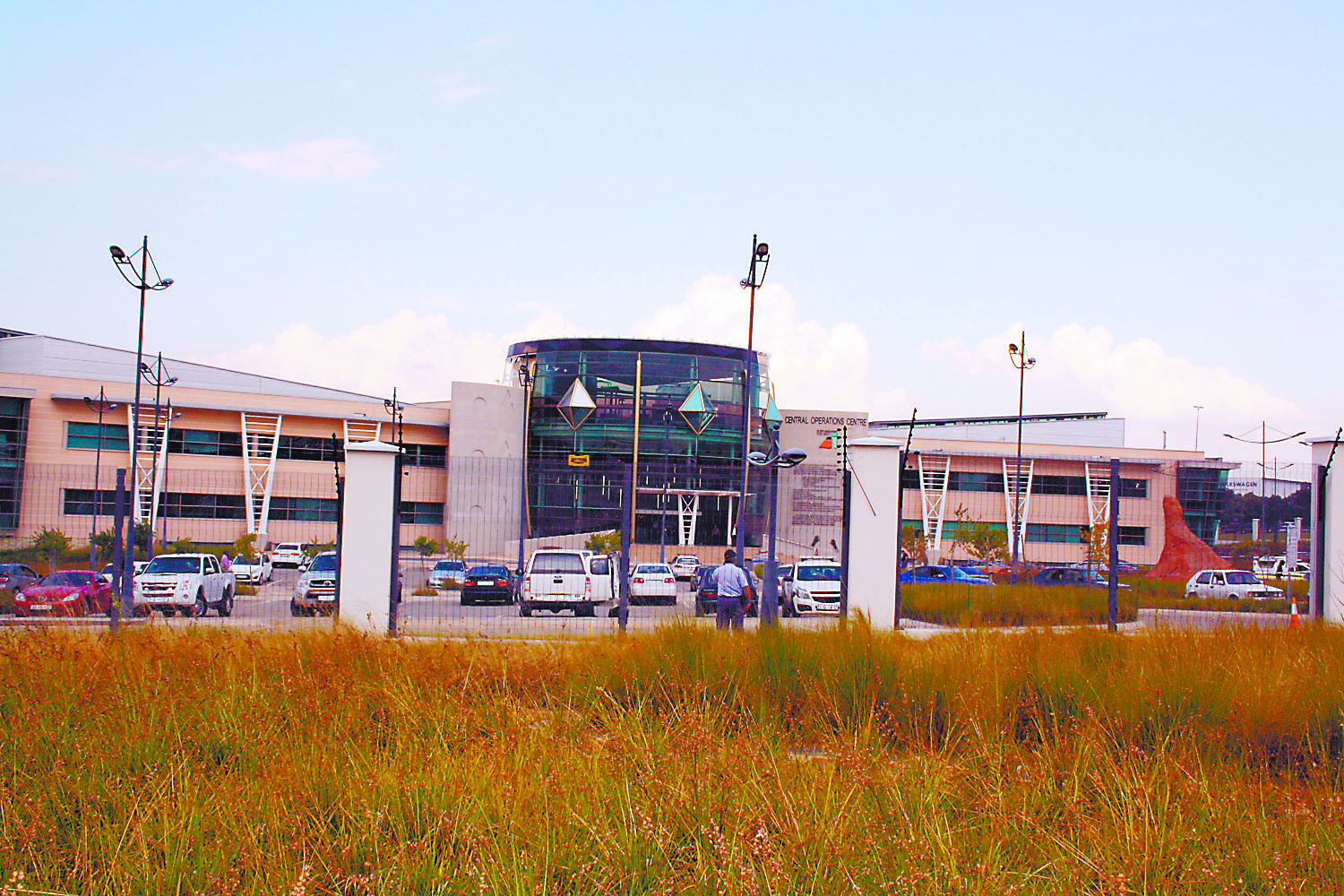
Head of the National Consumer Commission, Ebrahim Mohamed, said Sanral’s demands for payment from motorists who have used e-tolled routes were lawful but the road agency was obliged to provide accurate billing.
Consumers needed to have certainty about the amount that was owed and were entitled to query and receive clarity before making payment, he said.
He added that according to section 26 of the National Consumer Act, the sales record must include all information pertinent to the transaction, adding that in cases of incorrect billing the sales record was not accurate.
According to Mohamed, Sanral had acknowledged that there were flaws in its database and the complaints gave the road agency an opportunity to rectify this.
The commission planned to refer all the complaints to Sanral and urged people with queries to continue lodging them with Sanral.
Sanral has agreed with the National Consumer Commission’s view that motorists should receive accurate billing before being expected to pay their e-toll bills.
Sanral spokesperson Vusi Mona said the roads agency would continue to send SMSes and emails but these would not replace invoices.
“Critically, these [SMSes and emails] are being sent out to afford the road user the opportunity to qualify for the relevant discounts if they settle the amounts within certain time periods,” he said.
The Opposition to Urban Tolling Alliance (Outa) has lauded the commission’s stance, saying Sanral was practicing “business disobedience” by demanding payment from road users without providing them with normal invoicing and billing procedures.
“This pay now and query later attitude by Sanral is unacceptable,” said Outa spokesperson John Clarke.
Outa said it received over a thousand e-toll complaints in the past three weeks.
Meanwhile, following a meeting between Sanral and the Department of Transport, the roads agency was addressing glitches in its system.
“The way forward is for Sanral to continue identifying the most common complaints and make the necessary interventions,” Mona said.
He added that all complaints made through e-toll customer services were investigated.
According to Mona, some of the areas of focus include incorrect balance complaints, website functionality, incorrect vehicle classification and vehicle registration plate cloning.
Sanral was also identifying the least understood aspects of e-tolling such as the alternate user tariffs and the discount regime in order to improve communication and clarity on these matters.