Department of Water and Sanitation warns Highveld coal mines to stop polluting water sources
The Department of Water and Sanitation has reiterated its call to coal mines in Mpumalanga to stop polluting water resources, especially in the Highveld, or face the consequences.
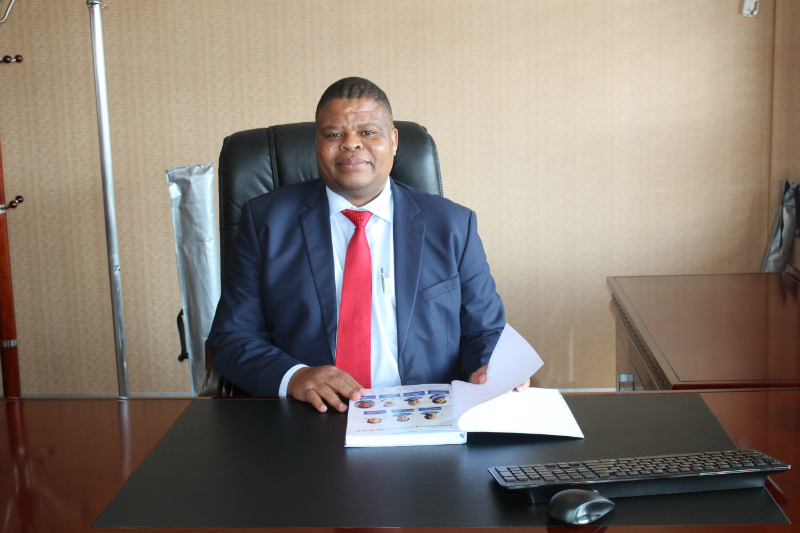
Deputy Minister, David Mahlobo recently suggested that the coal mines have polluted 90% of groundwater in the Highveld region alone.
“This is a gross violation of the National Water Act and displays a sheer sense of insensitivity to other water users. Greed for profit has become a norm among the transgressors,” said Mahlobo.
READ: MEC Manzini launches oncology services at Rob Ferreira Hospital
The negligence of a disused mine near Siyanqoba settlement in Emalahleni recently resulted in the death of three youths in two separate incidents. The incidents raised the ire of the local community that took to the streets to demand government action.
The matter has since been referred to the Department of Mineral Resources for investigation as it relates to actions around mine closure procedures.
According to Mahlobo, the problem of ageing water infrastructure is also a big problem in Mpumalanga. Pipes that are made of asbestos cover a distance of 900 km to reticulate water from one area to the other. Invariably, this leads to regular pipe bursts that result in thousands of kilolitres of water going to waste. Infrastructure needs a major overhaul to avert the waste of the precious resource.
Also Read: Minister of Home Affairs announces four countries granted visa-free status
South Africa is a water-scarce country that was classified by the World Bank as among 30 countries in the world that risked becoming arid unless vigorous water saving programmes were introduced soon.
The country receives about 450 millilitres of annual rainfall, which is half the average rainfall received in other continents.
The weekly DWS report estimates Mpumalanga to have stored 1 679,7 cubic metres of water in its reservoirs for this week.
However, the figure is not a means to say that there are no water challenges in the province. There are still a few regions experiencing acute water shortages.
The report puts the latest dam levels in the province at 66,2%, an 11% drop compared to the same period last year.
The need to continue using water sparingly remains paramount.