
Modern-day pioneers: Homesteaders become children of the soil
Homesteaders share their journey to self-sustainability and the valuable lessons learned along the way.
Tired of the rat race and the pressure being put on Earth, people the world over are spurning the convenience of 21st-century living and finding ways to return to a more natural and self-sustaining lifestyle. Four such families share their stories.
Brigid Letty – Richmond, KwaZulu-Natal
The principal scientist at the Institute of Natural Resources, Letty and her husband moved onto an 8ha (20 acres) smallholding in 2012.
In the decade that followed, they learnt many lessons – most notably that the journey is difficult, but immensely rewarding.
Over the past 10 years, they have established vegetable gardens, added a small herd of Nguni cross Dexter cattle, built up a flock of dual-purpose chickens and added various other birds and animals, including runner ducks, meat rabbits and turkeys.
“Perhaps the biggest lesson we have learnt is that it’s not just a hobby, it’s a whole lifestyle. We both have full-time jobs around which we need to fit in the many tasks associated with growing food and caring for animals. Weekends are very busy – weeding pastures, baling cut grass for hay and bedding, digging beds, planting seedlings, dipping cattle, and so on. Then on Monday, it’s back to the office.”
She says the second lesson is that producing food takes a lot of effort – and you eat what’s available. “At this time of the year, we eat green beans and mealies… lots of them, but in July, we’ll be eating beef… lots of that too.”
Letty says they prefer to slaughter their livestock at home, with minimal stress to the animal, rather than sell it on. “We slaughter a young bull most years and we do it at home with the assistance of a neighbour. This fills our freezer.”
Letty says they have learnt about the amount of storage space needed to meet their water requirements over winter (about 50 000 litres in Jojo tanks), how to produce milk and preserve vegetables.
“My husband has learnt about solar electricity and has moved some of our buildings and electric fencing onto solar systems.
“It’s been a most rewarding decade and, even though we seldom have any downtime, this lifestyle choice comes highly recommended.”
Chanel and Mika Gardner – Elands River Valley, Eastern Cape
The Gardners describe themselves as South African homesteaders, passionate about growing their own food, living off the grid and following permaculture principles. They say they are friends of the earth, dedicated to sustainability and a kinder, greener approach to living.
This is their story:
“There is an emptiness that is felt among humans, and we believe it has something to do with a lost connection to the earth.
“One of the main things people wanting to live sustainably should know is that everyone has their own interpretation of what sustainability means, and they make their choices accordingly. It’s important to know what your core goal is and to stick to it.
“For us, it was about reconnecting with nature. Humans have become so dependent and confined by what the shops have to offer that they have lost the connection entirely, with no idea where food comes from, how it’s grown or raised or what is used to prolong its shelf life – not to mention the amount of packaging involved and the impact this has on the environment.
“There are many reasons that self-sustainability is the best choice for the planet and for future generations.
“The main goal should be to start now, no matter where you are, no matter what you have… just start making small changes. Plant food in empty cooldrink bottles and buckets. Just start! The benefits will inspire you to do more.”
Ilene Grace, Rosendal, Eastern Free State
Grace says their self-sustainable lifestyle has changed her, her husband Michael and four-year-old son Benji.
The family shares their space with a dog, and ‘too many ducks and chickens’.
“Things came very easy to us when we lived in the city. We popped into Woolies to buy out-of-season fruit in the dead of winter and we could get fresh broccoli in the heat of summer, without finding it strange or unnatural. We loved the fact that our craving for instant gratification was so easily met!” she says.
However, starting their self-sufficiency journey weaned them off the ‘drug-hit of having our every indulgence and whim met in a flash’.
“It changed us. Having to wait six months for a block of cheese you made to mature, changes you. Having to work from dawn till midnight in summer to harvest all your fruit and vegetables, changes you. But you have no choice. If you don’t harvest, can, freeze, bottle or preserve your produce in summer, you will have no fruit in winter, your food will be bland and the dream to visit shops less often will be shattered.”
Grace says they are now using the seasons to their advantage and are learning patience. “We are learning to read the weather patterns and adjust what we are doing each day, week and month. I really love that we are learning to make hay while the sun shines. I love that we eat fresh asparagus for a few weeks when they pop out of the ground and then we won’t have it for another year.”
Grace says living self-sufficiently removes you from the ‘consumer-driven hamster wheel’. “It teaches you patience; it teaches you to be kinder to the soil, the earth and yourself.”
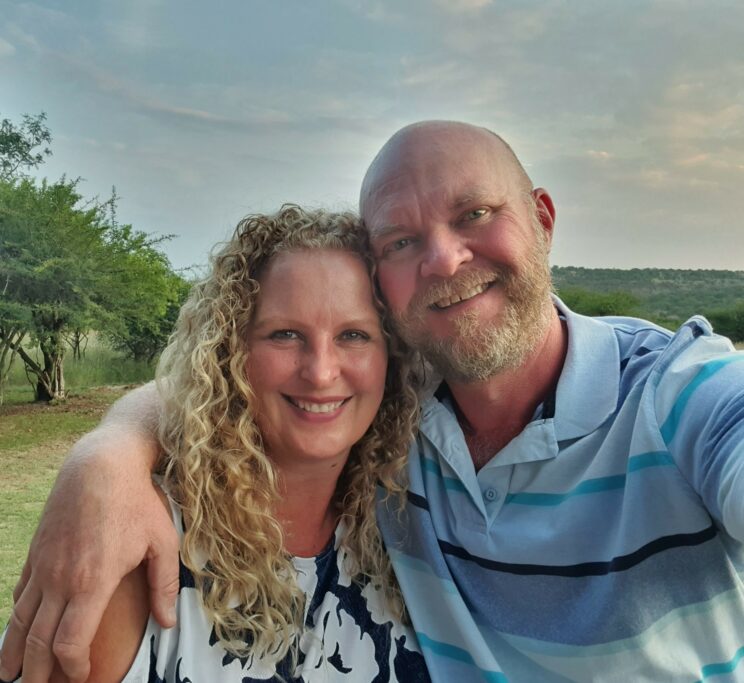
Little Big Tree Farm, Dinokeng, Gauteng
New kids on the block Buffy Rottcher and Veronique Palmer are clawing a living space from untamed land.
“We left the comforts of city living to deal with freezing temperatures, boiling temperatures, gale-force winds, a half-built house, no fertile soil, no garden, no water, no electricity, no indoor plumbing, endless dirt, all kinds of insects and bad gravel roads.
“We took 21ha of unloved, untouched bushveld with no infrastructure of any kind and built a homestead. Then moved in in the middle of winter!
“We put in roads, fencing, water, electricity, dwellings, greywater systems, gardens, trees and a pond – all with no previous experience and five animals in tow.
“Our tiny house is still in progress, but we are 100% off-grid and we’ve started to eat from our vegetable garden in less than a year.
“We often marvel at what we’ve achieved in such a short time. It has pushed us to every emotional, mental, and physical limit we have, and then some. But we’ve discovered what we are made of, and we like it!”
Join the self-sustainability revolution
Sustainability is the ability to exist and develop without depleting natural resources for the future.
Imagine a world in which you do not have to rely on anyone for your needs. Eskom outages, water failures, less-than-fresh fruit and veg in stores and other challenges that add to the stress of modern living would simply be shrugged off because you have created a bubble of self-sustainability. People are increasingly going back to the basics of growing their food, minimising their reliance on state services and reducing their carbon footprint. Isn’t it time you embarked on your self-sustainability journey? It starts with baby steps and leads to a lifestyle revolution.

