
Food gardens: Easy vegetable growing – no large garden needed
Vertical gardens require less space than conventional ones, and the bag system will help you save water.
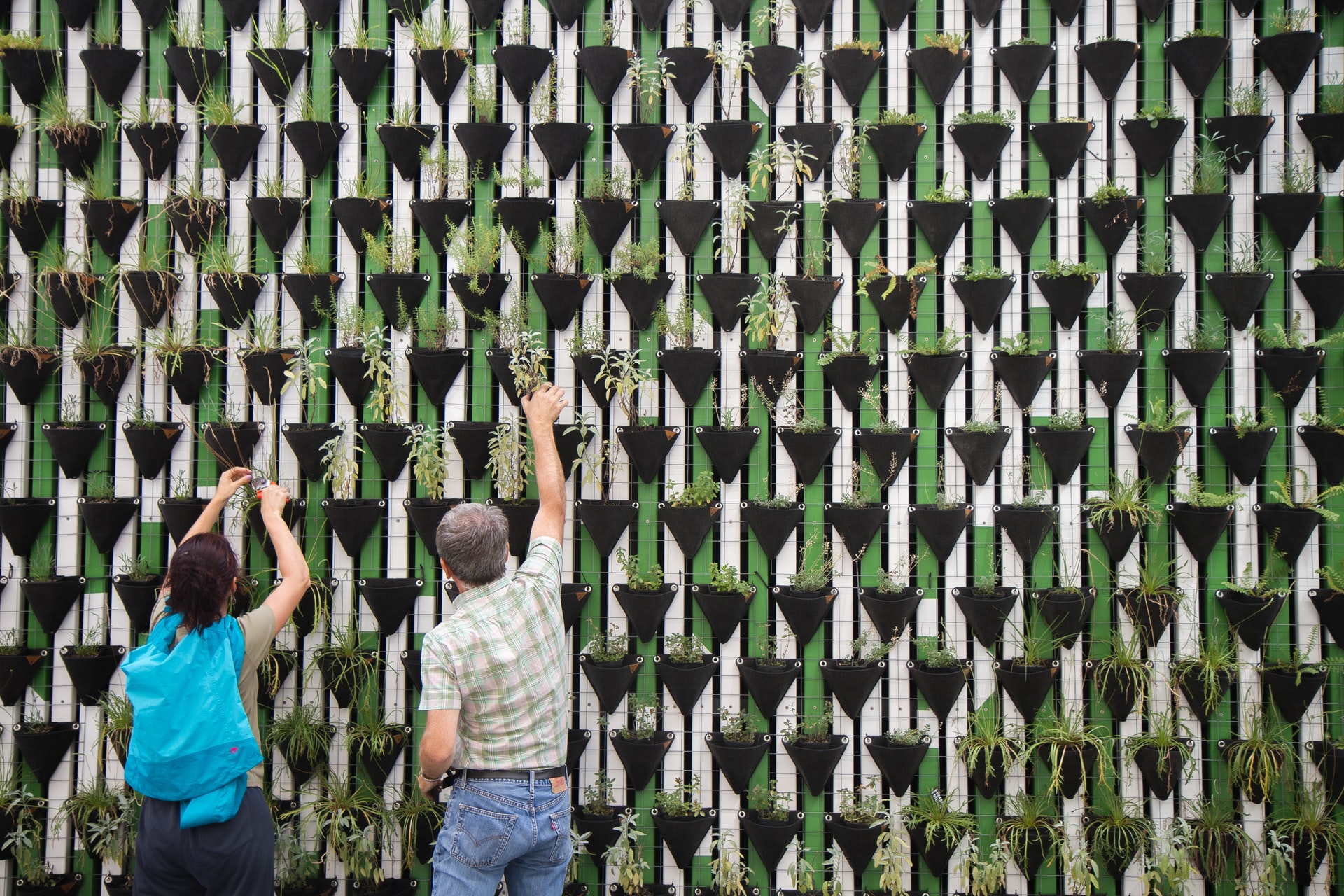
Not everyone who wants to grow their own veggies has a large garden, but research into innovative growing techniques means that this does not matter!
One of the simplest ways is to create a vertical garden using the bag system. Its benefits include the need for less water, less weed and pest control and less cleaning of leafy vegetables after harvesting.
“The bag system can be used in places that have not previously been thought of as appropriate for food gardens, such as paved land and balconies,” says the Agricultural Research Council’s Silence Chiloane.
He shares his knowledge of the bag system:
What you need:
- Empty maize-meal sack (80, 50, 25 or 12.5kg)
- Water-soluble fertiliser
- Growing medium, such as compost, sawdust, or soil with very good drainage
- Watering can
- Seedlings
Steps:
- Moisten the growing medium and then put it into the sack.
- Use a sharp blade to cut openings in the bag (20cm x 10cm apart).
- Push the seedlings’ root plugs into the planting holes in the maize-meal bag.
- Keep the bag upright.
- Water about every second day. Make sure that the growing medium doesn’t dry out and water the plants from the top of the bag. The water will drain downwards.
- Fertilise the plant each week with a complete nutrient solution.
Fertiliser formulation:
- Dissolve 1g each of Multifeed and calcium nitrate into 1ℓ of water (kraal or chicken manure can also be used).
Tips:
- 80kg of maize meal bag can take around 56 plants.
- Plant leafy vegetables such as spinach, Swiss chard, beetroot and lettuce.
- 80kg bag needs about 60–90ℓ water a week.
- Plants need sunlight.
Join the self-sustainability revolution
Sustainability is the ability to exist and develop without depleting natural resources for the future.
Imagine a world in which you do not have to rely on anyone for your needs. Eskom outages, water failures, less-than-fresh fruit and veg in stores and other challenges that add to the stress of modern living would simply be shrugged off because you have created a bubble of self-sustainability. People are increasingly going back to the basics of growing their food, minimising their reliance on state services and reducing their carbon footprint. Isn’t it time you embarked on your self-sustainability journey? It starts with baby steps and leads to a lifestyle revolution.
Read original story on highwaymail.co.za

