A site to see
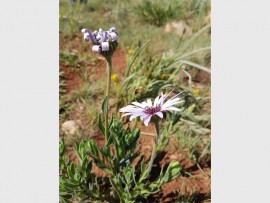
EMMARENTIA – Melville Koppies flowers have started to bloom and Wendy Carstens is the best person to tell you all about them.
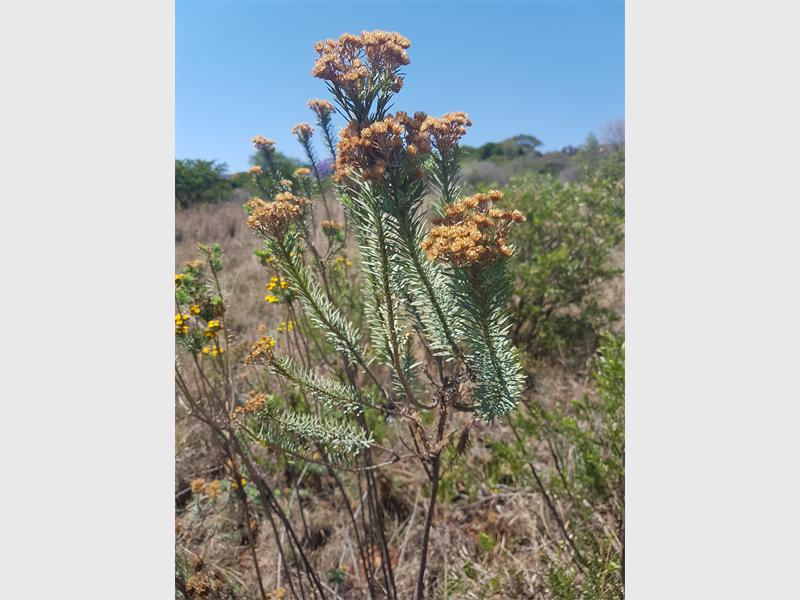
It’s flowering season on the Melville Koppies and you’d be smart to take your family on a guided tour of this beautiful spot.
Chairperson of the Melville Koppies management committee, Wendy Carstens takes you on a journey that accomplishes its mission of reminding you how awesomely beautiful your city is.

A hike up the heritage site with Carstens not only gives you the best view in the city but also shows you the magnificence of indigenous plants. And even with the multitude of flowers you can find, there is not a single one she cannot name and share some fun facts about. No matter how big or small, nothing gets past her.
On the trail, one will spot the ledebouria ovatifolia. Carstens described this flower as the flat flower which looks like a sea creature and is a member of the hyacinth family. “It loves to grow in paths, so we call it the Footpath flower,” she said, smiling.

As the trek up continues, you see the protea caffra, which grows profusely on the koppies. Unfortunately, they are being infested with a microscopic mite. The plant reacts to this mite by a growth called a witch’s broom. “We don’t know what the solution is but pesticides are not an option on the koppies. Hopefully, the proteas will adapt to this pest themselves,” said Carstens.

There is a protea bud which will flower in December/January, and they should not be confused with our national flower, protea cyanaroides, a winter rainfall flower from the Cape.
The scadoxis puniceus, is a flamboyant indigenous lily. Its bold red paintbrush-like appeal is a startling flash of colour in the veld. “These beautiful flowers are grown commercially,” explained Carstens, who concluded that the koppies are a place of happiness; no stress, no complaints, just you and nature together. “South Africa’s grasslands are a wonderland of flowers, which is part of our heritage and such nature reserves and conservancies need to be protected from developers,” she urged.