Dr Waja helps make smiles that matter
WESTDENE – This doctor helps enhance and empower the oral health status of differently-enabled children in the local community.
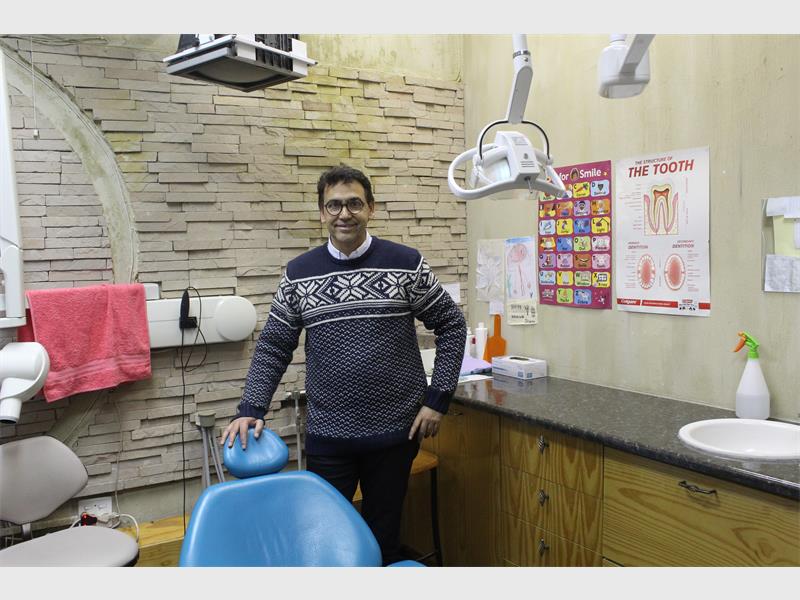
Dr Shouket Waja is making smiles more meaningful to differently-abled children with the Waja Ka Meno Trust.
He has been running the trust from his two practices in Westdene and Southgate, as well as partnering with schools to provide dental hygiene education.
Dr. Waja said, “I am a graduate of Wits University and after finishing my studies, I worked for about two years for someone else. Then, in 1993 the journey began of me having my own practice. At that time, I saw a need in regards to children with disabilities and those mentally challenged in that dental hygiene was something I could bring to the table, in terms of helping them with education about their teeth, practical skills, habits and giving back.”
In Sotho Waja Ka Meno translates to ‘eat with teeth’ and, of course, the good doctor also used the play on his name. He said he has always wanted to give free dental empowerment to children and, in turn, teach them the importance, relevance, and system of good oral care.
“When we started the initiative in 1993, it was just an educational programme and then it grew as more and more children came along. We started hosting these programmes at my practice. We’d make these educational programmes fun by singing along while showing the children the teeth and eventually this grew to us hosting concerts during Dental Oral Month – that is a big highlight for us.”
Every second Tuesday, Dr. Waja brings the children to his practice and gives them free care throughout the year. He and his team also go to the schools for differently-abled children and do screenings to give them the treatment they each need. Some of these schools include Jisswa School (Lenasia), Don Mattera School (Eldorado Park) and Adelaide Tambo School (Soweto).
“The future of trust is one where I see a lot more professionals so we can cater to an extended group of children. We are also looking at enhancing the facilities and the scope of work that we can do on them. Where their needs can be met, whether it be an issue with their eyes or their ears, in a systematic way that is supported and involves our society as well. It’s about life experiences and interaction between us and the children in need, the appreciation of their gifts.”