
August is National Organ and Tissue Awareness Month
It is critical that more people seriously consider becoming a donor when they die to literally give the gift of life to someone in need, a selfless act of love that changes the trajectory of the recipients lives.

It is through the generosity of others that donor organs are available for some who desperately need them.
Christo Vosloo lives in Northcliff and describes the anguish he and his wife Rene had at watching his beloved daughter Alice Vosloo’s health deteriorating from cystic fibrosis.
She was diagnosed at age two and was not expected to live past age 12. “Nobody fully understands what you are facing and at the time we had no idea of how the situation could possibly get better,” says Christo.
“We did whatever we could to support her in the blind belief that a solution might be found.”
When Alice was in her early 20s, he describes being told by her doctor that she had entered the ‘end phase’ and that ‘this was it’.
“It is impossible to describe the emotions and upheavals we faced but we remained positive. By this time, after so many years of living on an emotional roller coaster, we had learnt to take things one day at a time and to trust in God.”
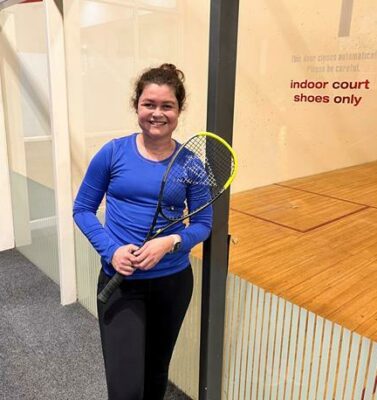
Alice turns 39 this week and is living life to the full after receiving a double lung transplant at 23, ‘so I managed to slightly beat the odds’.
She was on the waiting list to receive an organ donation for only a year and describes herself as very lucky.
“Many people wait such a long time for their transplants and unfortunately don’t survive their time on the waiting list,” she says.
She no longer spends each day desperately gasping for breath and taking large amounts of medications needed to keep the catastrophic effects of the disease at bay.
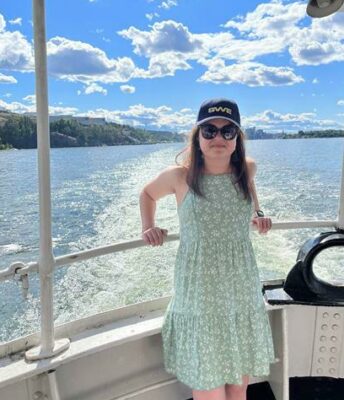
The lung transplants mean she no longer has cystic fibrosis.
“I still have to keep a close eye on my health because the anti-rejection drugs can cause problems,” but she is thriving and about to complete her post-graduate diploma in financial planning.
The threat of her body rejecting her new lungs is ever present, but she says life is more normal now than she ever experienced pre-transplant.
“Families and individuals facing a similar challenge should never give up. The rest of us must please promote organ donation so that as many organs as possible will become available,” adds Christo.
Alice helped to form TELL ((Transplant Education for Living Legacies) five years ago to help educate on and advocate for organ and tissue donations in South Africa.
“Through years of working in the field, various barriers to organ transplantation have been identified and TELL is on a mission to solve as many of these problems as possible,” she says.
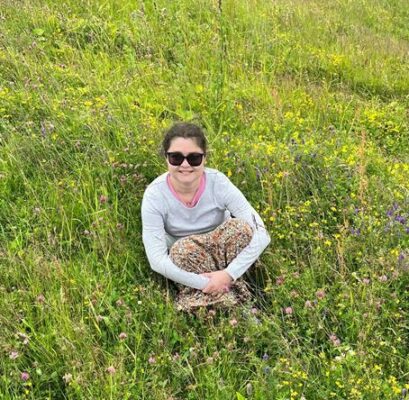
Alice adds organ donation is often a subject many people avoid or are against until they or a loved one needs an organ. “It shouldn’t be that way. The alternative to donating your organs is that they will be cremated or buried. It literally costs you nothing to save a few lives.”
What is organ and tissue donation?
- Viable organs or tissues are removed from a dead person and donated to an ill one to treat a medical condition
- Any person can be a donor, there is no age limit
- More than one person can receive a donation from one deceased body
- A donor will never be used unless they are declared brain dead by specialist doctors
- Most people wait on the list to receive a donation for years before one is available.
What can be donated?
- Heart
- Kidneys
- Liver
- Lungs
- Pancreas
- Tissues: tendons, eye cornea, bone, skin, blood vessels, cartilage, and heart valves.
Fears people have about organ donation
- Talking about death and dying
- Being unsure of the dying person’s wishes about donating their organs or tissues
- Taking on some kind of trait or personality of the donor
- Mistrust in doctors
- Fears medical staff will not work hard to treat a donor because organs are in short supply
- Thinking because of ill or declining health that no organs or tissues can be used
- Thinking you are too old to donate.
Important to know
- Most religions support and encourage organ donation as an act of compassion and saving lives
- Donating does not usually cause significant delays to funerals or burials
- South Africa has an ‘opt-in’ system. Even if you are a registered organ donor, your family needs to consent for your organs to be donated, even if it is in your will
- Making these decisions at a time of great emotional distress is often important. so previous discussions as a family about individual people’s wishes are critically important.
If you would like to learn more or speak to someone about any fears or concerns, visit www.tell.org.za or email info@tell.org.za
Related article: