Sophiatown audiences step into South Africa’s untold histories through Enver Samuel’s documentaries
Through regular screenings at the Trevor Huddleston Memorial Centre in Sophiatown, award-winning filmmaker Enver Samuel continues introducing audiences to the people and stories history nearly forgot.
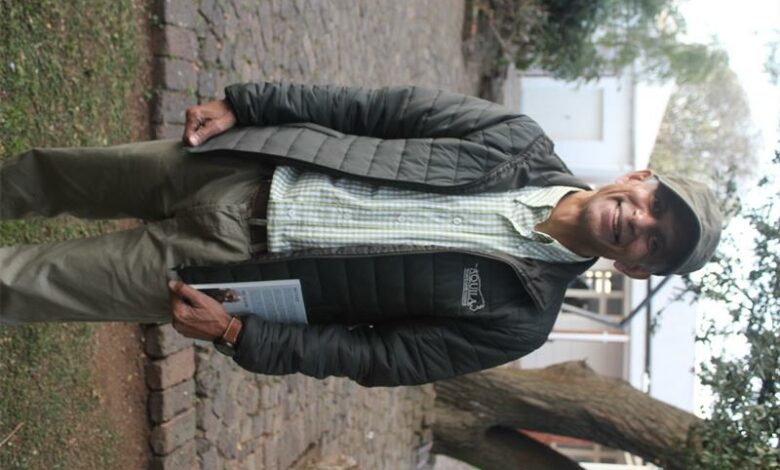
Award-winning documentary filmmaker Enver Samuel believes some of South Africa’s most important stories are still waiting to be told.
For more than three decades, he has documented families searching for answers, highlighted forgotten anti-apartheid heroes and challenged audiences to confront parts of the country’s history that are too often overlooked. Today, many of those conversations continue through screenings of his documentaries at the Trevor Huddleston Memorial Centre in Sophiatown.
Samuel’s filmmaking career began after receiving a scholarship to study film and television production in Australia in 1990. When he returned three years later, he entered the television industry, bringing with him a passion that had been shaped long before film school.
Read more: Melville Atrium amplifies Gaza films haunting call for justice and remembrance
Photography first taught him to tell stories visually, while books fuelled his imagination from an early age. As a child, reading became an escape, but it also sparked a fascination with how stories could be translated from the page to the screen.
Choosing a documentary is deeply personal. Rather than chasing headlines, Samuel said the story has to resonate emotionally before he commits to it.
Much of his work explores families seeking justice, a direction that became central to his career after producing his documentary on anti-apartheid activist Ahmed Timol. Witnessing the impact the film had on Timol’s family reinforced his belief that documentaries can contribute to restoring dignity and recognition to victims of injustice.
Building trust has since become one of the most important parts of his process. Families who have endured trauma need to believe their experiences will be handled with honesty and compassion before allowing cameras into their lives. Although each documentary explores different circumstances, Samuel said the emotional weight remains constant because every family carries its own grief.
Historical archives also play an essential role in his storytelling. Old photographs, documents and archival footage help transform historical figures into relatable people, giving audiences a richer understanding of the lives behind the headlines.
One lesson has remained with him throughout his career: South Africa does not do enough to honour its unsung heroes and heroines. Speaking to survivors and relatives has also left him inspired by their resilience. Despite decades of pain and unanswered questions, many are driven less by revenge than by a desire for truth, recognition and reconciliation.
Also read: Historic Documentary Film Society looks ahead to 2026 screenings
Like many documentary filmmakers, securing funding remains one of his greatest obstacles, often requiring years of persistence before production can begin.
Despite those challenges, Samuel remains committed to documenting South Africa’s overlooked histories for future generations. He said he is particularly encouraged by the way younger audiences engage with his films and the conversations they spark after screenings.
His advice to aspiring filmmakers is to research thoroughly and look beyond obvious stories and dig deeper for stories that lurk in the shadows.
Follow us on our Whatsapp channel, Facebook, X, Instagram, and TikTok for the latest updates!