How Wits team gave 1 000 South Africans a second chance at life
The Wits University Liver Transplant Programme has reached a historic milestone, but behind every successful operation is a story of teamwork, innovation and the life-changing gift of organ donation.
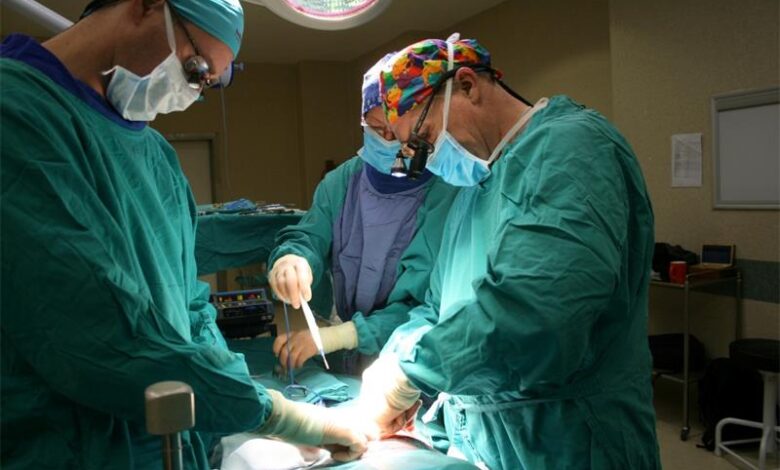
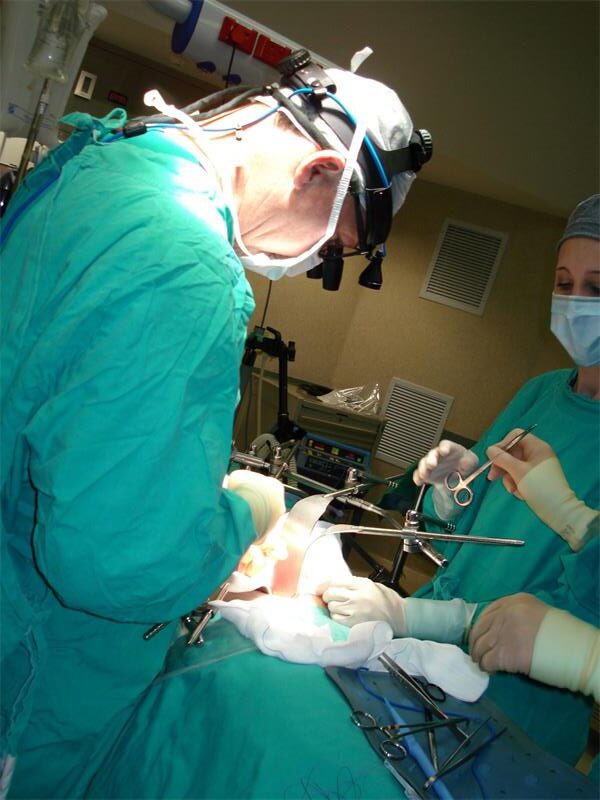
When people think about a liver transplant, they often picture the operating theatre – the tense hours of surgery that separate life from death.
But according to Professor Jerome Loveland, head of transplant surgery at Wits Donald Gordon Medical Centre and academic head of transplantation at the University of the Witwatersrand, that’s only the final chapter of a much longer story. “The transplant operation is not the defining moment,” he said. “It is the culmination of years of expertise and systems development across highly specialised teams.”
Read more: Say goodbye to hair loss with the wonders of hair transplants
That philosophy has helped transform the Wits University Liver Transplant Programme into one of Africa’s leading transplant centres, which brought a landmark achievement on July 30 – the programme’s 1 000th liver transplant.
Since performing its first transplant in 2004, the programme, a collaboration between Wits Donald Gordon Medical Centre and Charlotte Maxeke Johannesburg Academic Hospital, has grown into a national and regional referral centre, giving children and adults with end-stage liver disease a second chance at life.
Of the 1 000 transplants completed over the past 22 years, 637 have been performed on adults and 363 on children. For Loveland, who has been part of the programme since its inception, the milestone is deeply personal. “It’s been incredible to watch it grow through all of the challenges and ups and downs,” he said. “I’m honoured to have witnessed it. What we’ve built has grown beyond any individual. The results we see today are because of a committed team that has created something sustainable for the future.”
Built by a team, not a single surgeon
While transplant surgery often celebrates the skill of surgeons, those behind the Wits programme insist their greatest achievement isn’t one person – it’s the team. “I think what I’m most proud of is building the team,” Loveland said. “Yes, we’re proud of saving 1 000 lives, performing more complicated transplants and making better use of donor organs. But none of that is possible without developing the next generation of healthcare professionals.”
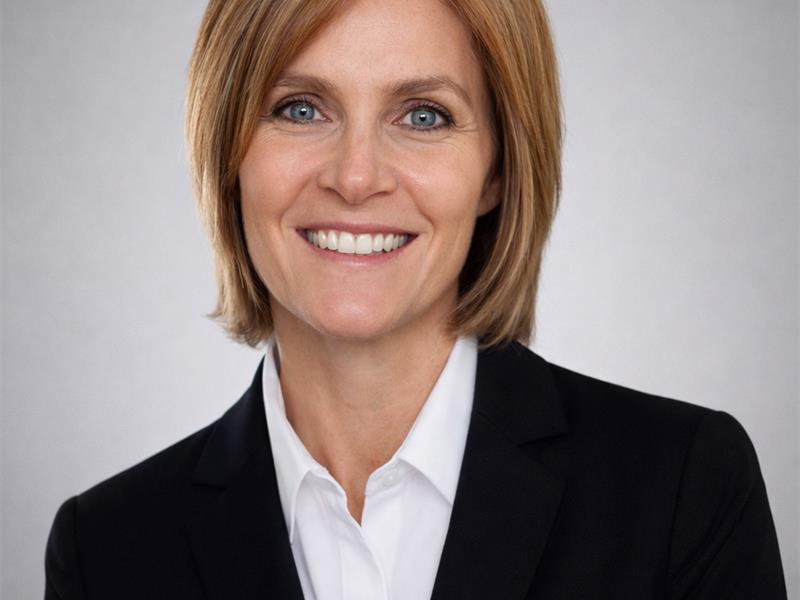
Today, what began as a programme led by one or two specialists has evolved into a multidisciplinary unit with internationally recognised experts spanning surgery, medicine, radiology, nursing, rehabilitation and research. That investment in people, Loveland believes, is what will ensure the programme continues long after today’s leaders have stepped aside.
Changing what is possible
Over two decades, the programme has consistently challenged the boundaries of transplant medicine. It introduced living donor liver transplantation for adults and children, pioneered blood group-incompatible transplants, expanded split liver transplantation – which allows one donor liver to save two lives and became a global pioneer in HIV-positive donor liver transplantation.
Also read: Celebrating a decade with transplanted lungs
More recently, the team introduced liver machine perfusion technology, which restores and preserves higher-risk donor organs before transplantation, allowing more patients to receive life-saving surgery. “None of these innovations directly improve survival,” Loveland explained. “What they do is allow us to transplant more patients.” For small children in particular, living donor transplantation has been life-changing, while split liver transplantation effectively doubles the number of recipients who can benefit from a single donated organ.
Research changing global medicine
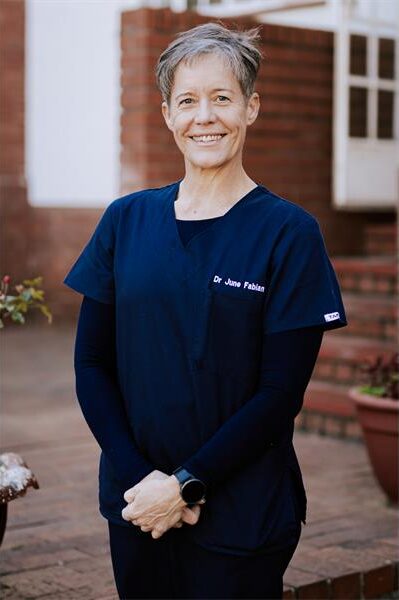
Behind every surgical breakthrough is years of research. Research director Dr June Fabian said one of the programme’s most influential contributions came from proving that HIV-positive mothers could safely donate part of their liver to HIV-negative children. It’s this research, she said, that has changed global policy. “It opened the door for many South Africans who previously would have been excluded from becoming donors for no reason.” The programme’s research continues to shape international practice.
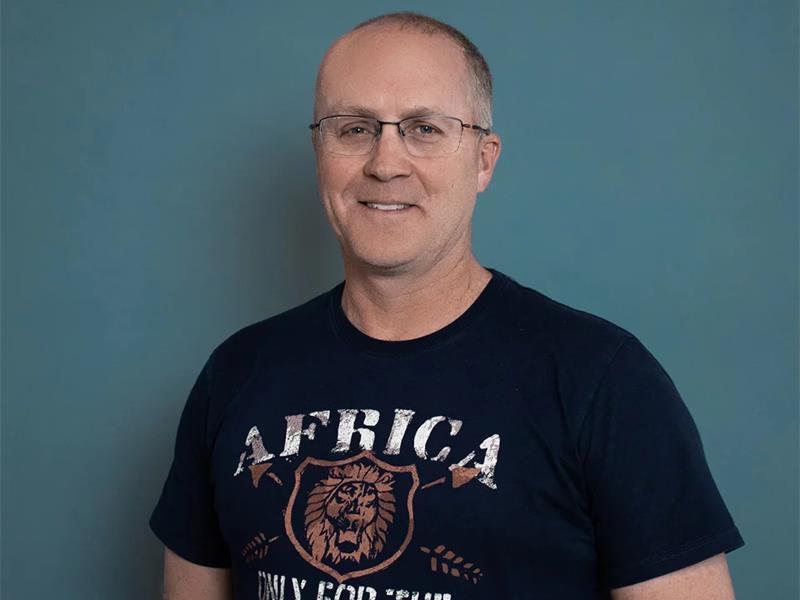
Scientists have discovered genetic differences affecting how African children process anti-rejection medication, allowing doctors to tailor treatment more accurately and improve outcomes. Rather than simply applying research from wealthier countries, Fabian said South African researchers are asking questions unique to local patients. “Our problems aren’t always the same as those in high-income countries,” she said. “We want to answer the questions that matter to our population.”
A milestone
Despite the celebrations, the programme’s greatest challenge remains unchanged. South Africa continues to face a critical shortage of organ donors. Currently, around 40 to 45 patients are waiting for a liver transplant through the Wits programme alone.
For many, waiting too long has devastating consequences. “They die,” Loveland said simply. He believes many of the barriers are rooted in limited public awareness, misconceptions, cultural and religious concerns, and unequal access to hospitals capable of facilitating organ donation. “It would be wonderful if we could educate South Africans to know that organ donation is safe, that donors are treated with the utmost respect and that one donor can save multiple lives.”
Transplant unit administrative and colorectal manager Carla Wilmans believes the milestone proves what is possible when South Africa works together. “It shows that we can achieve what many thought was impossible,” she said. “The collaboration between the public and private sectors has saved 1 000 people who otherwise had no other treatment option.” She welcomed recent government awareness campaigns around organ donation but believes much more can be done to educate communities and strengthen legislation. “Knowledge is power. If people have information, they can make informed decisions.”
Looking towards the next 1 000
The team hopes the next decade will bring even more innovation, greater collaboration and, most importantly, more donors. Loveland’s goal is to reach the next 1 000 transplants even faster by expanding living donor programmes, making better use of available organs and training the next generation of transplant specialists.
When asked what message he would leave South Africans with, his answer extended far beyond medicine. “We live in an amazing country. We get too caught up in politics and negativity. We need to embrace the opportunities we have, work together and help South Africa thrive.”
For the team behind the Wits University Liver Transplant Programme, the number 1 000 is not simply a statistic. It represents 1 000 families given more time, 1 000 futures rewritten and 1 000 reminders that even in the face of immense challenges, hope can still find a way.
Follow us on our Whatsapp channel, Facebook, X, Instagram, and TikTok for the latest updates!