Emmarentia Dam becomes a miniature maritime world at model boat exhibition
They may be miniature, but the skill, patience and passion behind these boats are anything but small.
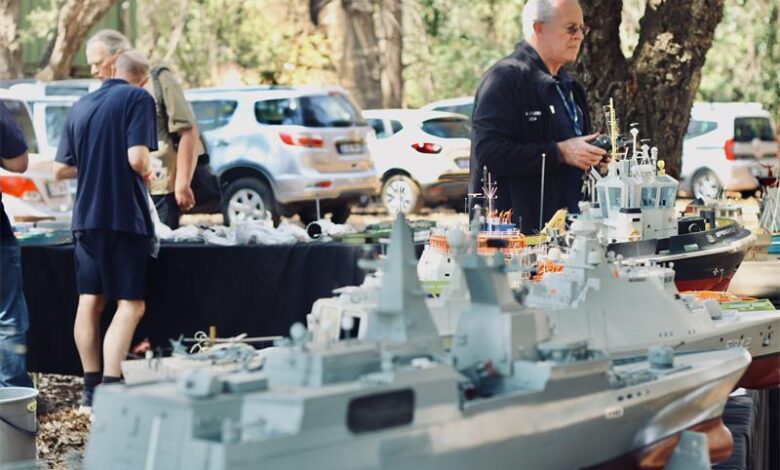
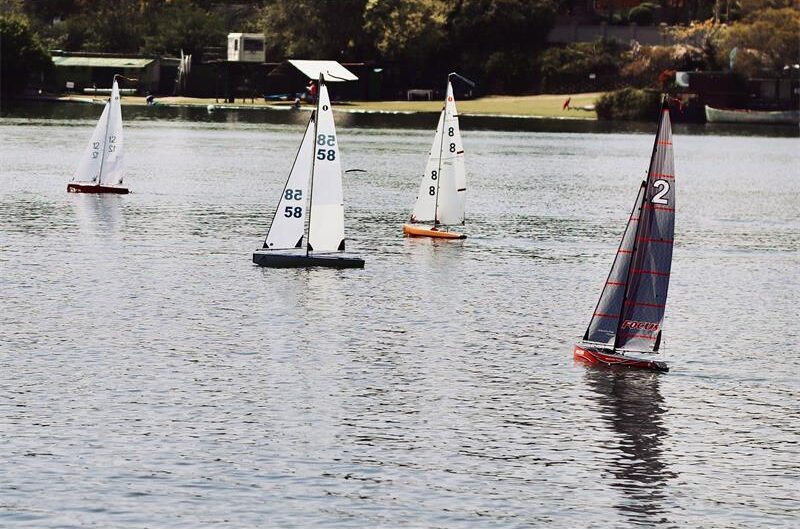
On the surface, Emmarentia Dam might look like just another peaceful Johannesburg waterway, but on Saturdays and Sundays, its waters become home to fishing trawlers, naval vessels, tugs, yachts and speedboats – all shrunk down to miniature proportions, and carrying an impressive amount of craftsmanship.
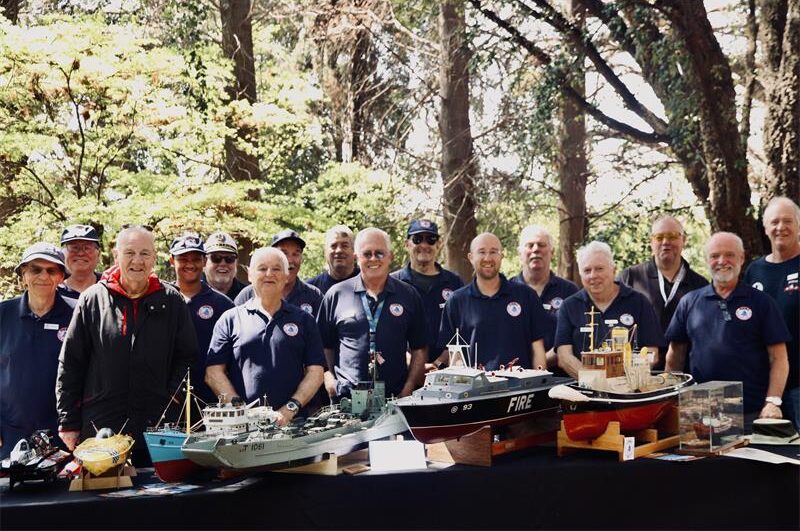
The Gauteng Model Boat Club recently opened its miniature maritime world to the public at its exhibition at Emmarentia Dam, showcasing the skill, patience and passion behind the hobby. The club traces its roots back to the Johannesburg Model Power Boat Club, which began in the 1960s before becoming inactive for almost two decades. It was revived in 2013 as the Gauteng Model Boat Club, with Emmarentia Dam remaining at the heart of its activities.
Read more: Gauteng Model Boat Club showcases hand-built fleet at Emmarentia Dam
“Emmarentia Dam has always been the premier venue for water sports in the middle of Johannesburg,” said committee member Andreas Lemmerer. “Without the dam, our hobby would not have had an ideal venue.”
Today, the club has two distinct sides: scale model boats and radio-controlled sailing yachts. While the scale models have remained relatively unchanged, radio-controlled yacht sailing has grown in popularity locally and internationally.
Beneath the tiny decks and miniature cabins lies some serious technical know-how. Building a model boat requires fine motor skills, patience and an eye for detail, while modern technology has transformed the hobby through advances in electric motors, batteries and radio-control systems.
Also read: Watch: Wildlife capturer’s son survives hippo boat flip near Hoedspruit
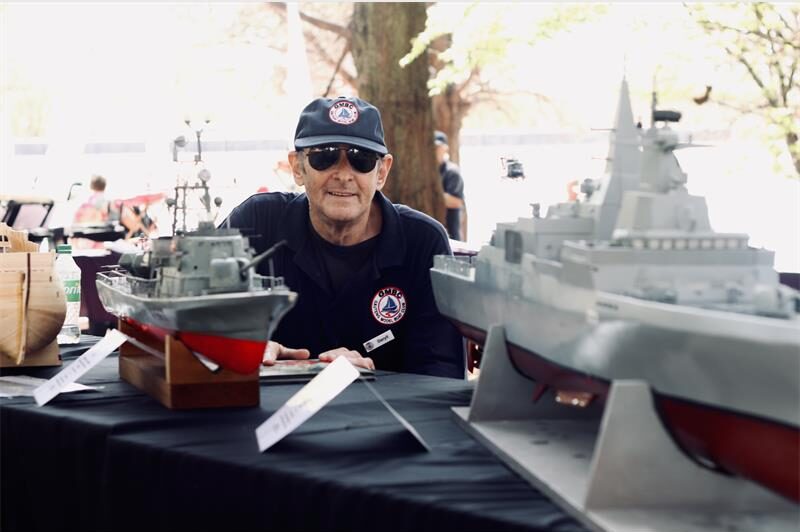
Club member Johnny Becker knows the commitment involved. His 1:40-scale Wiesel, a Zobel-class fast torpedo boat, took almost 18 months to build from scratch. He even rebuilt its propulsion system after discovering his original arrangement was not efficient. “I still have to work out which is more enjoyable, the building or the sailing,” he said. Becker now has 24 model boats – none of which he intends to sell.
For fellow member John Butler, the reward is equally personal. His wooden Nordkap fishing trawler took about 200 hours to build, while his latest scratch-built project, a replica of the 1900 D/S Astrea steam passenger ferry, is expected to take until 2028. “There are no deadlines,” said Butler. “It’s relaxing time.”
That may be one of the hobby’s greatest attractions. In an increasingly digital world, model boating gets people outdoors, gives them something tangible to create and offers a community of like-minded enthusiasts. Yet the club faces a challenge familiar to many traditional hobbies: attracting younger members. “We do find that retired people often turn to the hobby as they have more time to dedicate to their hobbies,” said Lemmerer.
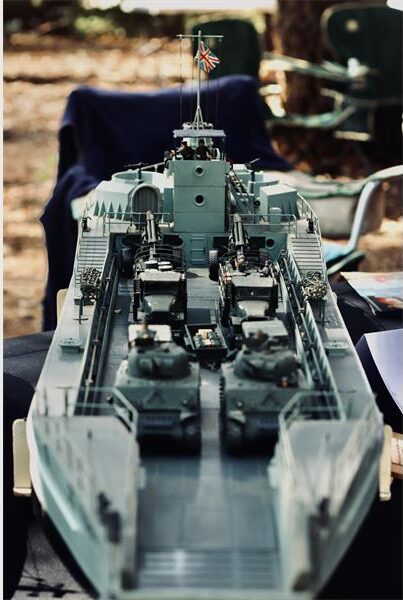
The club hopes its regular sessions can change that. Members meet at Emmarentia Dam every Saturday at 09:00 and Sunday at 11:00, with members of the public invited to try controlling the boats. The hope is simple: someone stops to watch, takes the controls, and gets hooked. After all, you do not need a full-sized ocean to discover a love for sailing. Sometimes, all it takes is a miniature boat, a radio controller and a little wind.
Follow us on our Whatsapp channel, Facebook, X, Instagram, and TikTok for the latest updates!