
Brixton Cemetery clean-up uncovers historic stories of women
Volunteers clearing Brixton Cemetery are also uncovering the stories behind its graves, from pioneering families to women whose lives have largely disappeared from the historical record.
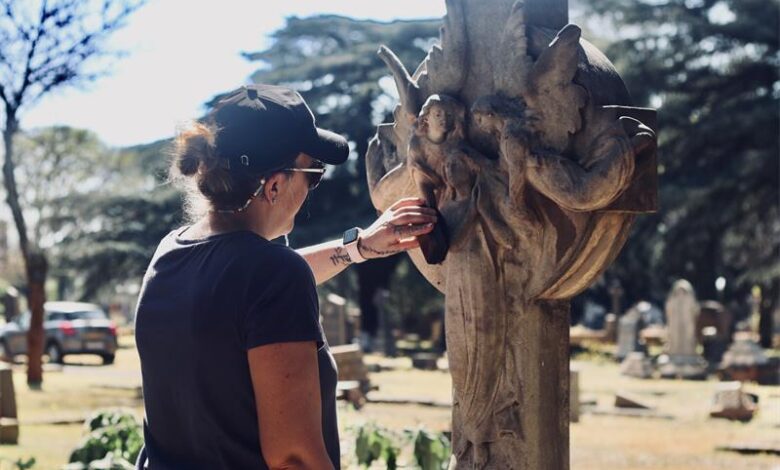
Under the overgrown vegetation and weathered headstones of Brixton Cemetery lie stories stretching back to the earliest days of Johannesburg – stories volunteers are determined to ensure are not forgotten.
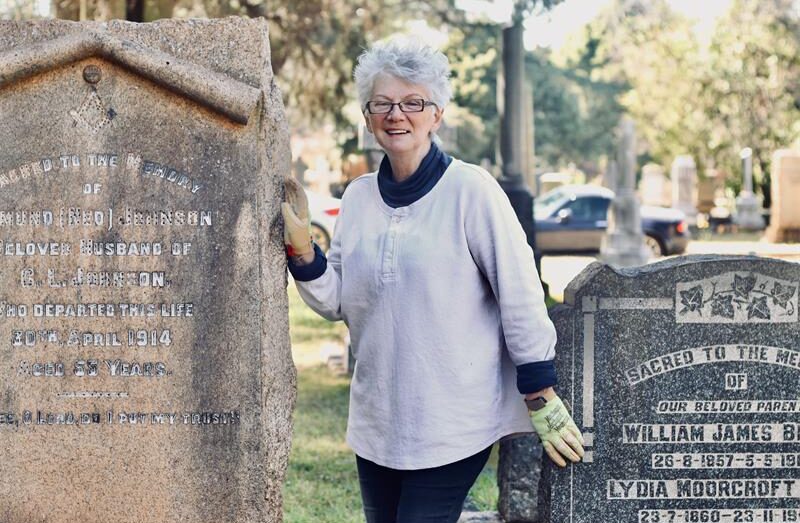
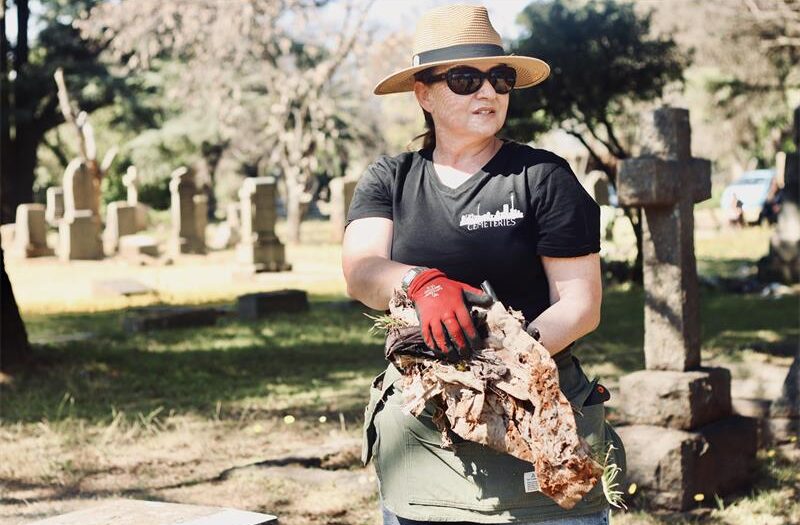
A clean-up held in late August, in celebration of Women’s Month, brought volunteers to the historic cemetery to clear vegetation and uncover graves, with a particular focus on remembering the women buried there.
Read more: Brixton Cemetery volunteers fight neglect to preserve Johannesburg history
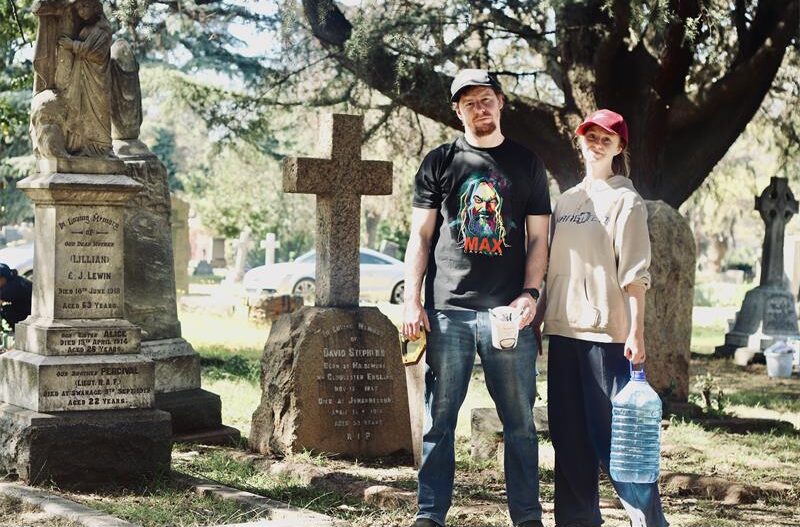
Sarah Welham, founder of Friends of Johannesburg Cemeteries (FoJC), describes Brixton Cemetery as “another history book of Johannesburg”.
Among those buried there are members of the Juta family, who established the well-known bookshop; Nokutele Dube, the discarded wife of John Dube; and Taffy Long, who historians maintain was falsely accused and executed for killing a shopkeeper during the 1922 Rand Revolt.
The cemetery also contains the grave of Pickhandle Mary, as well as those of early Johannesburg architects, Randlords and victims of serial killer Daisy de Melker.
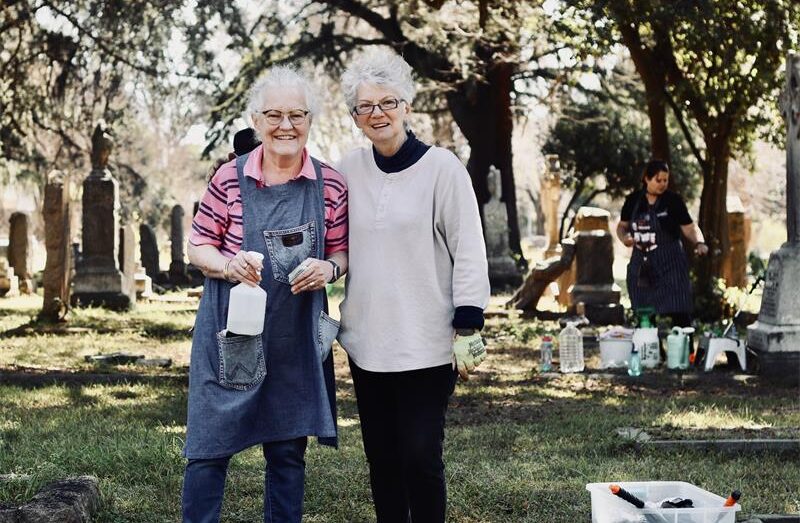
Welham said the cemetery also tells a less frequently acknowledged story – that of women who lived through difficult conditions and supported their families and communities without receiving recognition. “Due to the times in which the women were buried in Brixton in the early days, many women were not recognised as making much of a contribution to society, even if it was just in a support role to their husbands,” she said.
The clean-up offered volunteers an opportunity to uncover some of these stories. When a grave inscription becomes visible, the FoJC can use cemetery burial records, genealogical resources and research material held by the Johannesburg Heritage Foundation to establish more about the person buried there.
Also read: Brixton Cemetery trapped in costly clean-up cycle
Welham recalled one discovery involving the widow of Teignmouth Melvill, who died defending the colours of his regiment during one of the Natal wars. After years of being unable to locate her grave, Welham eventually found it in a family member’s plot and recorded the information for future researchers.
Yet preserving these stories is becoming increasingly difficult as the cemetery faces ageing infrastructure, invasive vegetation, illegal dumping, vandalism and limited resources.
According to Jenny Moodley of Johannesburg City Parks and Zoo (JCPZ), Brixton requires continuous maintenance. Grass cutting generally takes place monthly during peak growing periods, while litter-picking is scheduled weekly.
JCPZ said recurring refuse and recycling waste around entrances and sections of the perimeter can quickly undo maintenance efforts. Seasonal tree and leaf falls, ageing infrastructure and operational pressures also add to the challenge.
The condition of individual memorials is another concern. JCPZ said deterioration caused by age and weather remains the responsibility of families under cemetery by-laws, while heritage memorials are being addressed in collaboration with the city’s heritage department and the Friends of Johannesburg Cemeteries.
Security remains another challenge. JCPZ said the security contingent at the cemetery is primarily deployed to protect its offices and assets, while broader concerns are addressed through patrols, law enforcement operations, private security partnerships and community vigilance.
For Welham, however, protecting Brixton Cemetery requires more than occasional clean-ups. She would like to see the cemetery fenced, its gates repaired, damaged headstones restored and dog patrols introduced.
A secure and well-maintained cemetery, she believes, could become a place where people feel comfortable walking, exercising, photographing, creating art or simply spending time. For now, volunteers continue to act as guardians of the graves, clearing vegetation, recording histories and helping families locate their ancestors. Welham’s message to the wider community is: “Stop dumping.”
She also encourages residents to report dumping and criminal activity.
JCPZ agrees that community involvement is an important part of the cemetery’s future, saying partnerships with volunteers, communities, businesses, security partners, law enforcement and social services are key to creating a sustainable model.
The August clean-up may have removed weeds and rubbish, but it also uncovered something more valuable – reminders of the people whose lives helped shape Johannesburg, including women whose stories deserve to be remembered.
Follow us on our Whatsapp channel, Facebook, X, Instagram, and TikTok for the latest updates!