
Enable Through Dance celebrates 10 years of breaking barriers through movement
For a decade, Moving into Dance has used movement to challenge perceptions of disability – and now more than 160 young people will take that message to a professional stage.
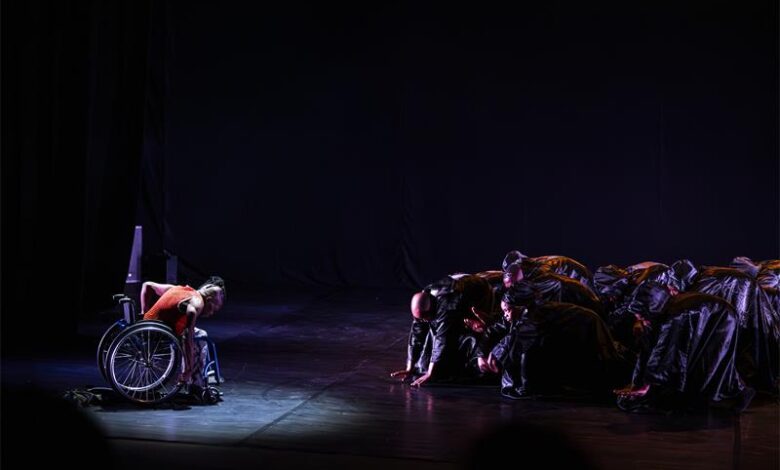
A playful moment during an inclusive dance workshop captured the true essence of integration when a dancer grabbed a participant’s crutch.
The young man chased after him with his remaining crutch, and, soon, what had initially alarmed Nadia Virasamy had become a game of catch involving dancers across the studio.
Read more: Northcliff dance studio founder steps aside after nearly 5 decades
Virasamy, CEO of Moving into Dance (MID), had been watching nervously. The organisation was still learning how to approach inclusive dance, carefully considering language, boundaries, and how to ensure participants felt safe, but when the game began she realised she was witnessing inclusion in its simplest form. “At any school playground, such a game of teasing would ensue; a lunchbox or a shoe would be stolen,” she said. “Here, it was a crutch.
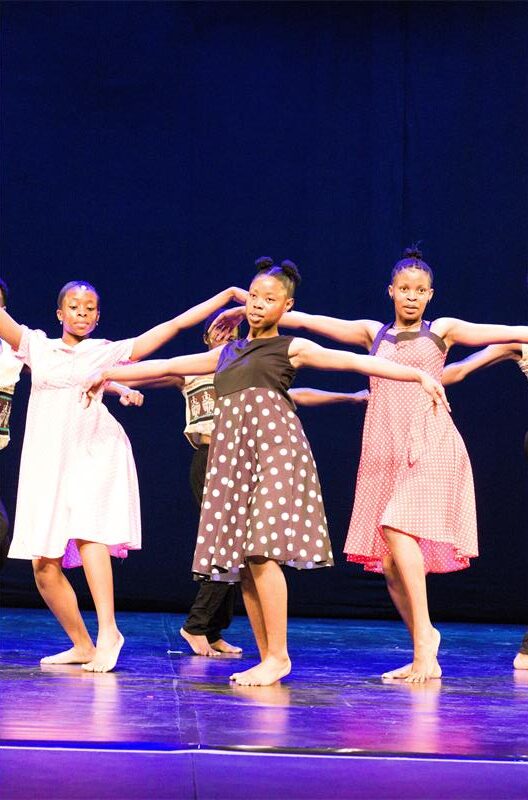
“It suddenly dawned on me that inclusivity really is about embracing a person, not seeing differences, and treating them as your equal.” That lesson has remained at the heart of MID’s Enable Through Dance project, which is celebrating 10 years of using dance to challenge perceptions of disability.
Established in 2016, the project reaches more than 160 young people each week across seven schools and organisations in Johannesburg, giving participants a space for movement, creativity, and self-expression. Keeping it going has not been easy. “Sustaining this project for 10 years is a massive feat,” Virasamy said, noting that many of those years were without funding, yet MID continued because of its belief in the difference the programme makes.
The impact can be seen in stories such as that of Lister Nxumalo, who lived with severe muscular atrophy and was wheelchair-bound. When she joined in 2017, she could barely move beyond her wrists. By her final performance in 2022, she could lift both arms and move her head as she wheeled to the music. Her fellow dancers called her the ‘Queen on wheels’, before she sadly passed in 2023.
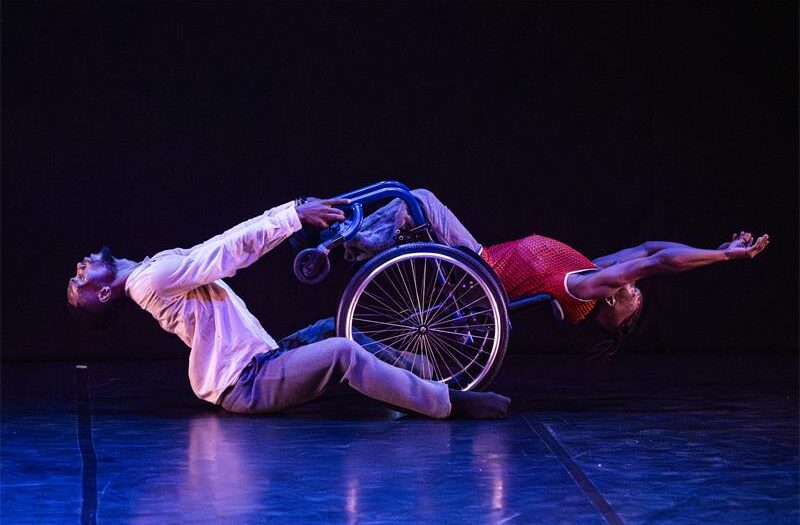
Another participant, Thabo Naha, went from dancing at Don Materra School to completing MID’s professional training programme and joining its professional company. He later toured internationally and has now been accepted as a dancer with ACE Dance Company in London.
For Virasamy, these journeys demonstrate what happens when young people are given the freedom to test their boundaries. The professional stage is an important part of that process. With costumes, lighting, and an audience, participants see their work as more than an extracurricular activity. “They deserve to be seen,” says Virasamy. That visibility is central to the project’s mission.
Also read: Teen dancer Shaylin Moore chases world championship dream
MID hopes audiences will look beyond disability and recognise the person and their potential. “Disability is not inability or a lack of potential,” says Virasamy. “[The Enable Through Dance project] really is creating a social environment that fully accommodates disability.”
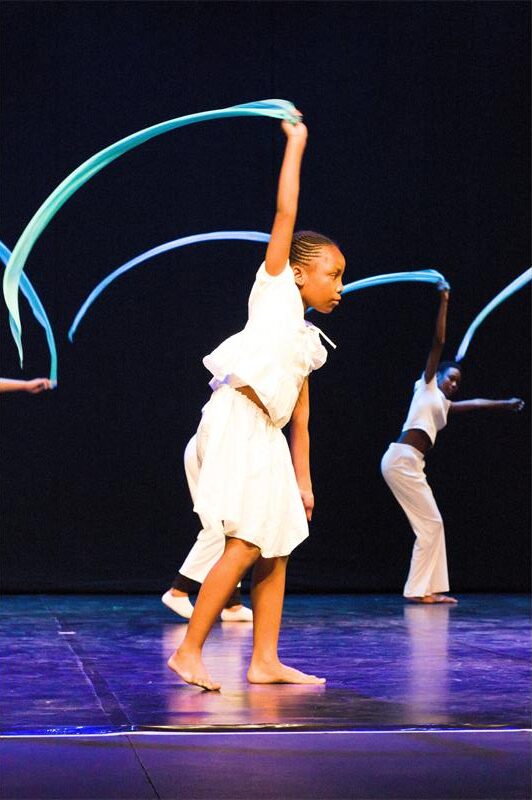
On September 18, the young dancers will bring that message to the Keorapetse William Kgositsile Theatre at the University of Johannesburg’s Arts Centre. The free performance, hosted by UJ Arts & Culture, marks another opportunity for participants to step beyond their familiar environments and into the spotlight.
The next decade, Virasamy hopes, will bring more secure funding, partnerships, participants, and performances – and more dancers trained to facilitate inclusive dance. For MID, the goal is ultimately bigger than dance. It is about creating a world where people with disabilities are not defined by what they cannot do, but given the opportunity to discover what they can.
Follow us on our Whatsapp channel, Facebook, X, Instagram, and TikTok for the latest updates!