Wits Disability Rights Unit celebrates 40 years of accessibility
The university's Disability Rights Unit has celebrated 40 years of championing accessibility and inclusion, reflecting on decades of progress while committing to a future where disability inclusion is embedded across the institution.
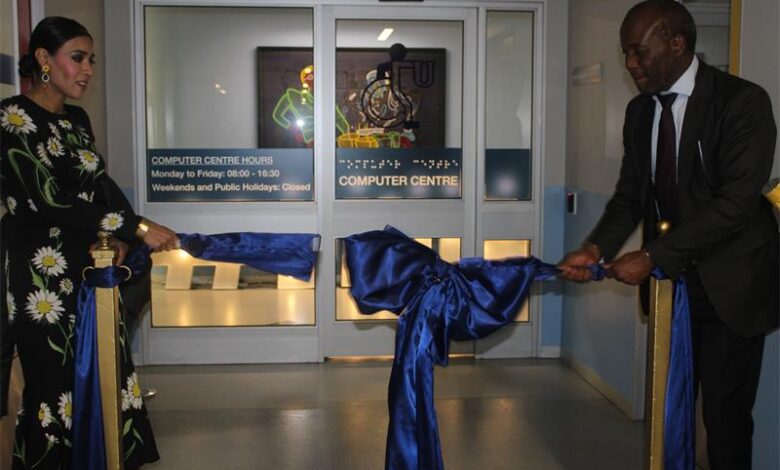
The Disability Rights Unit (DRU) at the University of the Witwatersrand (Wits) celebrated 40 years of advancing accessibility and inclusion on September 8, marking four decades of transforming higher education for students with disabilities.
Established in 1986 as the Disabled Students Programme with just nine students, the unit has grown into one of South Africa’s leading university disability support services, supporting 1 126 students in 2025. The milestone was marked with the opening of a commemorative exhibition celebrating the unit’s history.
Read more: Wits Disability Rights Unit marks 40 years of breaking barriers
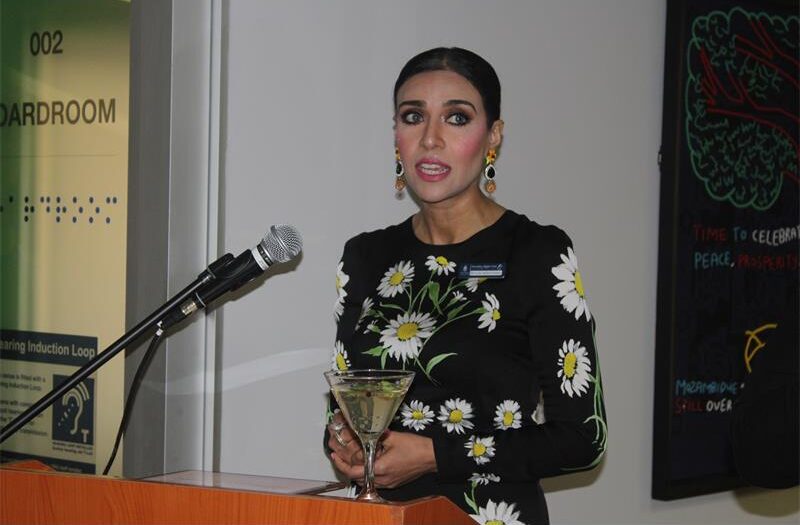
Head of the Disability Rights Unit Dr Leina Abdool Gafoor said the anniversary recognised the pioneers, students, staff and partners who had helped build a more inclusive university.
“We celebrate the people who have made this journey possible,” she said.
She described the unit’s greatest achievement as creating a sense of belonging for students and staff with disabilities, while attributing its growth to Wits’ reputation as a university where people with disabilities feel supported. “The university has recognised the importance of disability inclusion and people with disabilities now feel comfortable coming here to pursue their education.”
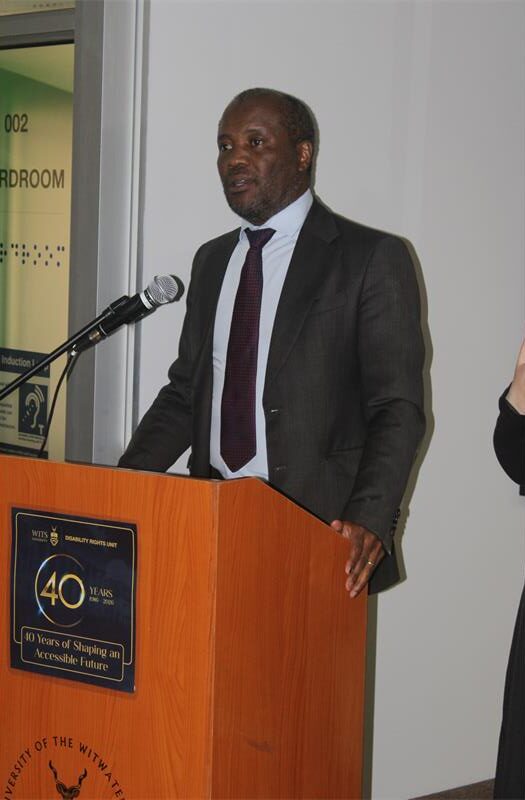
Despite the progress, Abdool Gafoor said many learners still faced barriers before reaching university because many schools lacked the resources and trained staff needed to support learners with disabilities. She added that assistive technologies had transformed learning by allowing students to study independently while preparing them for employment. “Accessibility is not a favour; it is a right. Inclusion is not charity; it is justice,” she said.

Deputy registrar Nicolene Potgieter said the DRU’s success reflected four decades of commitment from university leadership, staff and students. “The journey towards disability inclusion did not happen overnight. It has been shaped by the shared belief that every individual deserves an equal opportunity to learn, grow, contribute and succeed.”
Also read: Wits unveils R300m sports hub set to transform student athletes
She said Wits had invested in accessible infrastructure, academic support services and assistive technologies, while disability awareness programmes helped make inclusion a shared responsibility across the institution.
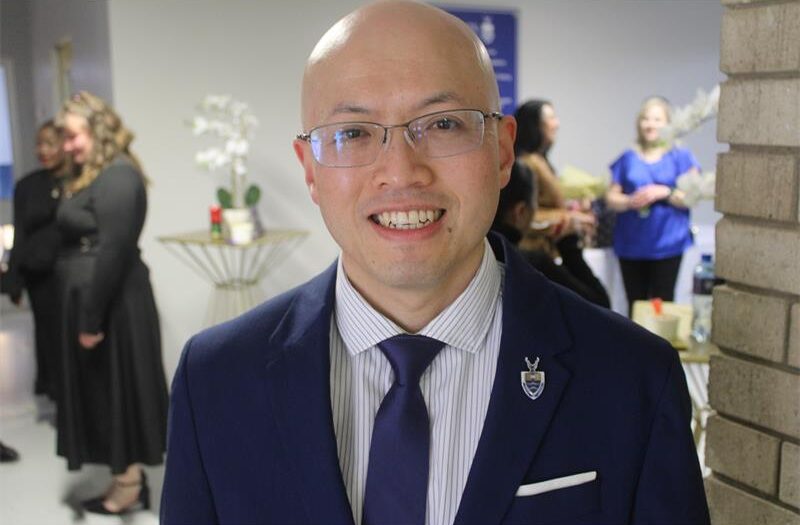
Wits vice-chancellor and principal professor Zeblon Vilakazi said the university had demonstrated leadership by embedding accessibility into its infrastructure, technology and support systems. “The next phase of inclusion cannot only be about responding when barriers arise. We need to increasingly design our institution so accessibility is built into everything we do,” he said.
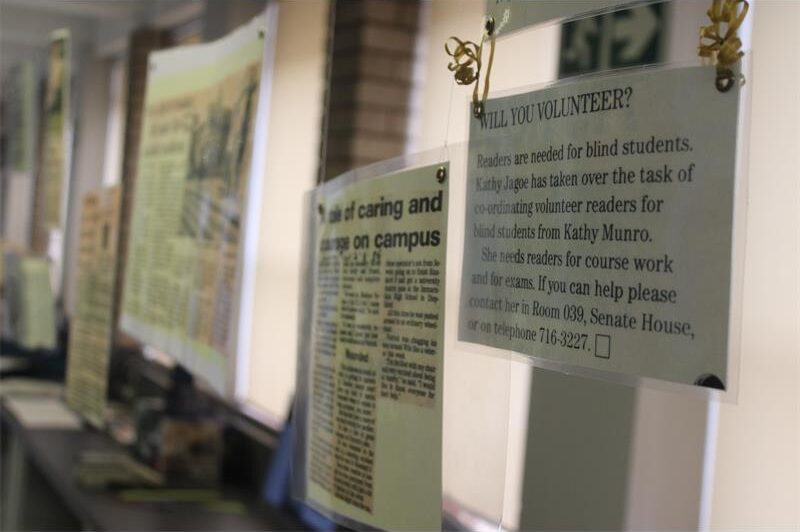
Today, the Disability Rights Unit provides accessible computer centres, assistive technologies, sign language interpreting services, hearing induction loop systems and disability awareness programmes, ensuring students with disabilities can participate fully in university life.
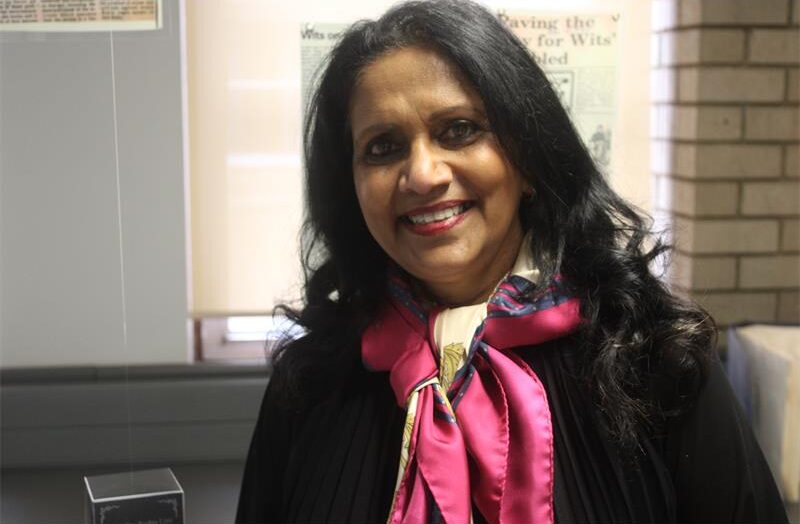
As the unit enters its fifth decade, Wits says its focus is no longer simply on accommodating disability but on creating a university where accessibility is expected and inclusion is embedded from the outset.
Follow us on our Whatsapp channel, Facebook, X, Instagram, and TikTok for the latest updates!