Johannesburg volunteers battle persistent illegal dumping in public spaces
Illegal dumping continues to undo years of volunteer work across Johannesburg, but community organisations refuse to give up, insisting lasting change depends on residents, government and law enforcement working together.
There are moments that make even the most committed volunteers question whether their efforts are making a difference.
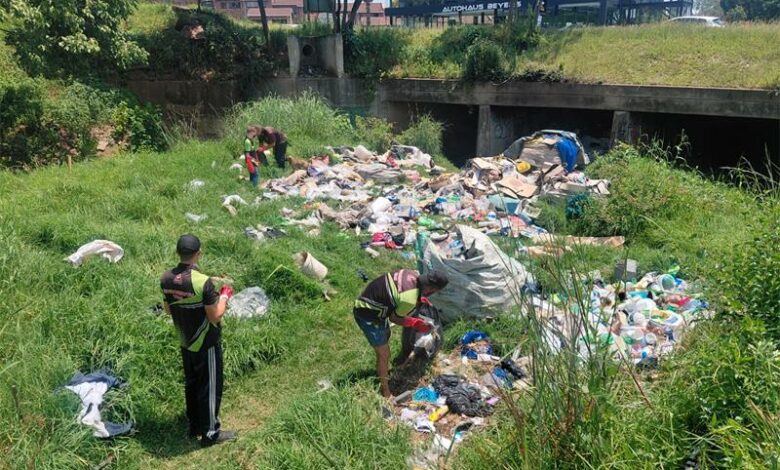
For Let’s Work founder Felicity Lawlor, one moment captured the relentless challenge of keeping public spaces clean. As her team cleared a mountain of illegally dumped waste from a park, another vehicle drove in and dumped more rubbish the moment they turned away to collect painted fencing poles.
After a decade of organising community clean-ups, restoring neglected parks and encouraging residents to take pride in their neighbourhoods, the incident struck a nerve. “We work incredibly hard. We put everything we have into trying to clean up our ward and make our parks, pavements and open spaces better,” she said. “Then someone, with absolutely no thought for anyone else, comes along and undoes that hard work in minutes.”
Read more: CRUM and City of Joburg entities target illegal dumping and neglected spaces in Westdene
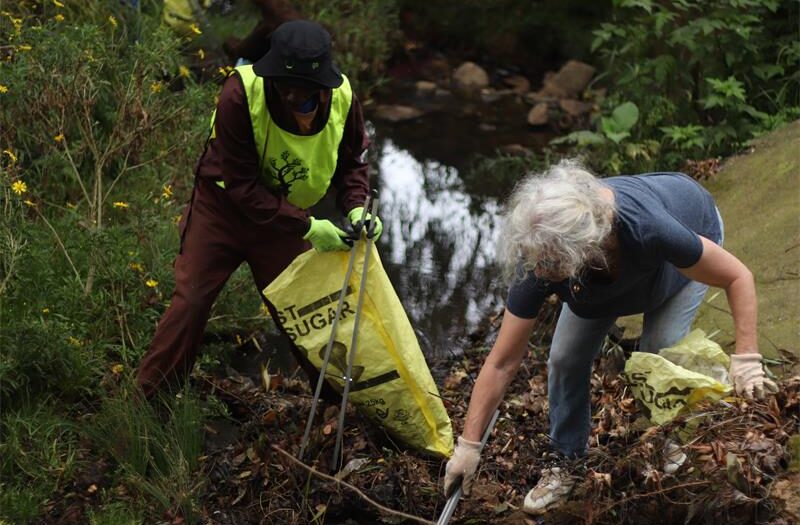
Lawlor said the frustration was not simply about another pile of rubbish; it was the feeling of why they were fighting so hard when someone could undo their work in five minutes. “These guys work incredibly hard. They are out there doing a difficult, physical job, often in unpleasant conditions, and they take pride in what they do. When someone deliberately dumps more rubbish right in front of them, it doesn’t just create more work; it feels like a complete disregard for the work they are doing.”
More than just a clean-up
Across Johannesburg, volunteers face the same battle repeatedly. Community Cleaners founder Andre Swanepoel said his organisation was born out of frustration at watching public spaces deteriorate. “Instead of simply complaining about the problem, we decided to do something about it ourselves,” he said.
What began as residents cleaning their own neighbourhoods has grown into an organisation maintaining 14 parks and public spaces, yet many of those locations require constant attention. “Some locations can look completely different after we have cleaned them, only for rubbish to start accumulating again within days or weeks,” Swanepoel said.
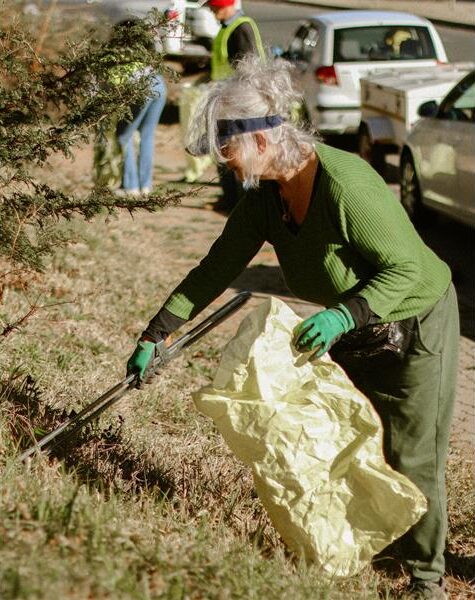
Despite the setbacks, both organisations believe the work matters. “You sometimes ask yourself, ‘Why are we doing this if it is just going to happen again?’,” Swanepoel admitted, “but then you see children playing in a clean park, residents using an area that was previously neglected, or people joining the clean-up, and you realise that the work does make a difference.” Lawlor agrees that community spirit keeps volunteers going, pointing to the team, the appreciative residents, and the visible progress made over time.
Also read: Fairland dumpsite finally gets clean-up after years of community pressure
Everyone has a role to play
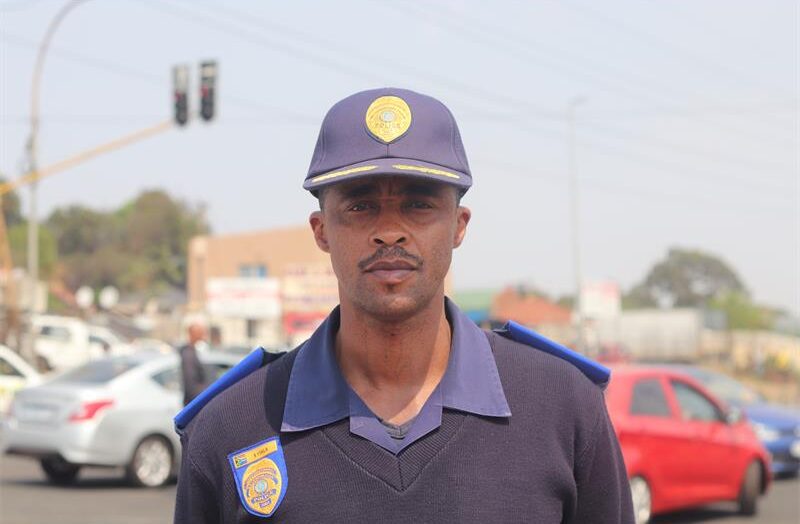
While volunteers continue restoring public spaces, Johannesburg Metropolitan Police Department (JMPD) spokesperson Superintendent Xolani Fihla says enforcement remains a critical part of the solution. He described illegal dumping as a major public safety, health, and environmental concern across the City of Johannesburg. According to Fihla, the JMPD conducts continuous by-law enforcement operations, with fines of up to R1 200 and criminal prosecution for serious or repeat offenders.
Fihla added that dedicated unmarked vehicles monitor dumping hotspots, while joint operations with Pikitup, citizen relationship and urban management and environmental health inspectors target major offenders. “Residents are urged not to confront dumpers themselves, but instead to report incidents by recording vehicle registration numbers, locations and times before contacting JMPD or the city’s emergency call centre.”
Both law enforcement officials and community leaders, however, agree that policing alone will not solve Johannesburg’s dumping crisis. Law enforcement alone cannot permanently solve the issue, as long-term prevention requires a multi-pronged strategy. Swanepoel echoed the sentiment, stating that clean-ups are important because they restore an area to prevent it from becoming completely neglected, “but picking up rubbish does not address why people are dumping it there.”
Lawlor believes lasting change begins with residents taking ownership of their surroundings. “We need people to care. Do not dump, do not walk past somebody dumping and pretend you did not see it.”
After 10 years, despite the exhaustion and frustration, she remains convinced Johannesburg is worth the effort. “I believe in Johannesburg,” she said. “This city is worth fighting for, and I’m not ready to give up on it.”
The publication contacted Pikitup on September 7 for comment, then followed up again September 8–10. Spokesperson Muzi Mkhwanazi responded: “Still waiting for operations assistance, will get back to you.”
The publication asked Pikitup which areas experience the highest number of illegal dumping incidents and how often illegal dumping hotspots are cleared by Pikitup. Their response will be updated once received.
Follow us on our Whatsapp channel, Facebook, X, Instagram, and TikTok for the latest updates!