Professor highlights crucial role of African grasslands at Melville Koppies meeting
Urban development and agriculture continue to threaten vital ecosystems that protect water security and store carbon.
What might appear to be an ordinary patch of dry grass can, on closer inspection, reveal an ecosystem essential to South Africa’s water, wildlife and biodiversity.
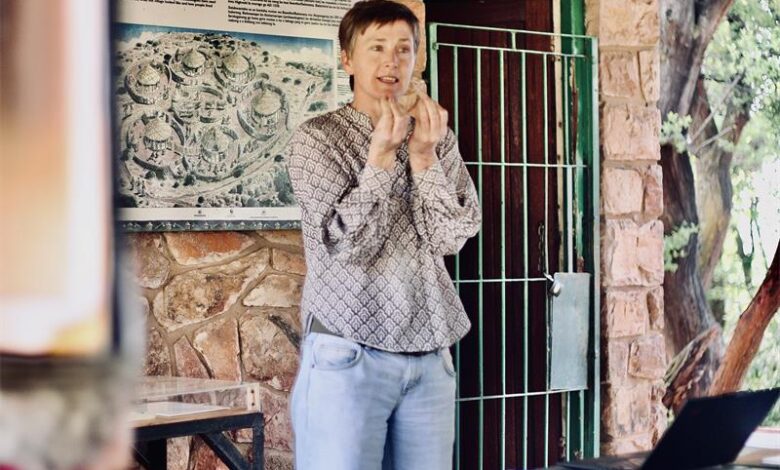
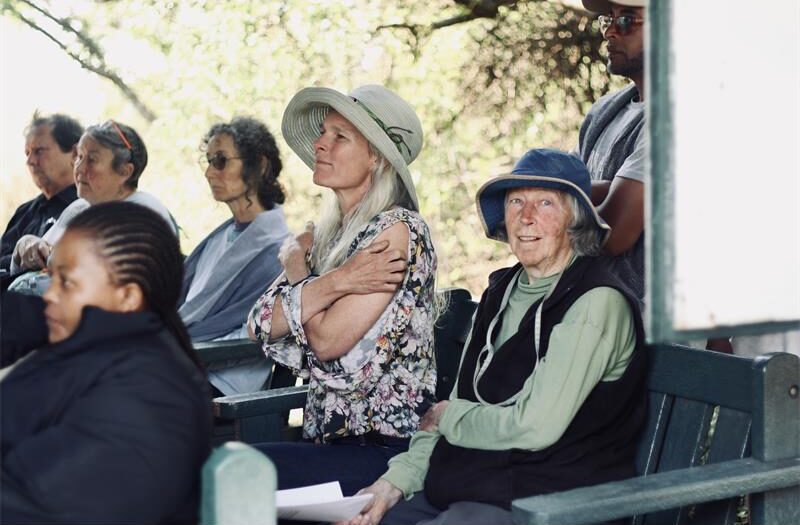
This was the message from Sally Archibald, a Wits professor in Animal, Plant and Environmental Sciences, who recently shared her passion for African grasslands with members of the Friends of Melville Koppies and guests following the organisation’s annual general meeting.
Archibald’s talk, titled Glorious African Grasslands, explored the history, ecological importance and often-overlooked value of grasslands, including those surviving within Johannesburg’s urban landscape.
For Archibald, the subject is personal. Having grown up in Johannesburg, she remembers discovering nature in the city’s pockets of grassland, some carefully conserved and others largely dismissed.
Read more: Ancient Melville Koppies furnace reveals Joburg’s pre-colonial heritage
Her academic journey later introduced her to grasslands as ancient ecosystems that became dominant across large parts of the world. She was particularly fascinated by the role of fire and herbivores in maintaining them. “We tend to think of disturbances as bad, but fire and herbivores are actually the most important part of the functioning of grasslands,” she said.
South Africa’s grasslands also play a critical role in water security. Archibald said the ecosystem helps rainfall infiltrate the soil and ultimately feed rivers and dams that supply communities with water, including those around Johannesburg, the Free State, Lesotho and the Drakensberg.
Yet large areas of grassland have been ploughed for agriculture, while urban expansion continues to reduce and fragment natural areas. Archibald acknowledged the importance of food production but said society needs to balance this with the other services provided by grasslands, including carbon storage, water retention, cooling and biodiversity conservation.
Their ecological value extends far beyond the grasses themselves. Grasslands support a remarkable diversity of plants, insects, birds and mammals, including species specially adapted to fire. Archibald highlighted the bronze-winged courser, a bird that migrates between South Africa and Zambia and nests in recently burned areas. Its eggs resemble pieces of ash, while its chicks resemble small burnt grass tussocks – adaptations that demonstrate how long fire has been part of these ecosystems.
Also read: What the rocks of Melville Koppies have been waiting billions of years to tell us
Melville Koppies provides an accessible example of what remains within Johannesburg. Archibald regularly brings student groups to the site to learn about grasslands and fire management. She believes such spaces can also help city residents, particularly children, develop a stronger connection with nature.
Johannesburg’s network of green spaces, ridges and river systems provides opportunities to maintain these natural ecosystems, but Archibald stressed the importance of keeping them connected so that grassland species can continue to move through the urban landscape.
Her message to anyone who sees an apparently unremarkable patch of grassland is to stop and look closer. “If you look at a patch of land, you think, ‘Oh, that’s worthless’. Stop, look down on the ground, take a closer look, and you’re bound to find something surprising that you didn’t know was there.”
For Archibald, appreciating grasslands begins with recognising what is already beneath our feet – and understanding why these seemingly ordinary landscapes are worth protecting.
Follow us on our Whatsapp channel, Facebook, X, Instagram, and TikTok for the latest updates!