60 Jeppe High School boys clean-up historic Brixton Cemetery
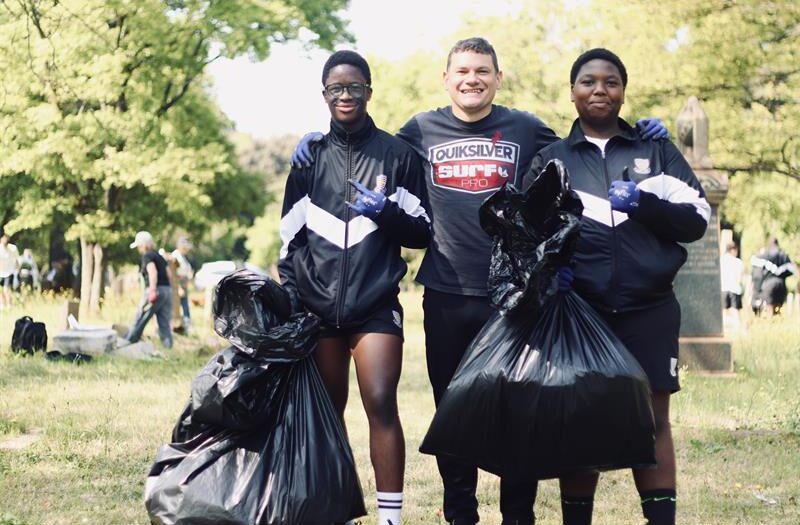
The boys joined Friends of Johannesburg Cemeteries for a clean-up at the cemetery, working among graves and headstones that record generations of the city’s past.
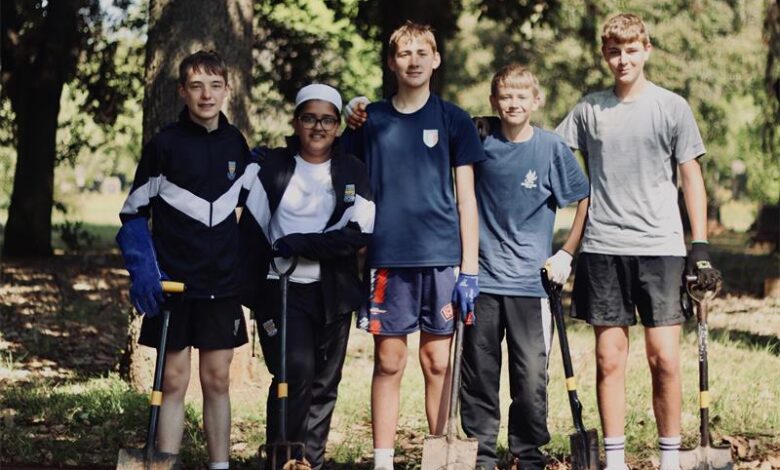
About 60 Jeppe High School for Boys learners spent September 23 clearing and cleaning Brixton Cemetery, transforming community service into an opportunity to engage with Johannesburg’s history.
The boys joined Friends of Johannesburg Cemeteries (FoJC) for a clean-up at the cemetery, working among graves and headstones that record generations of the city’s past.
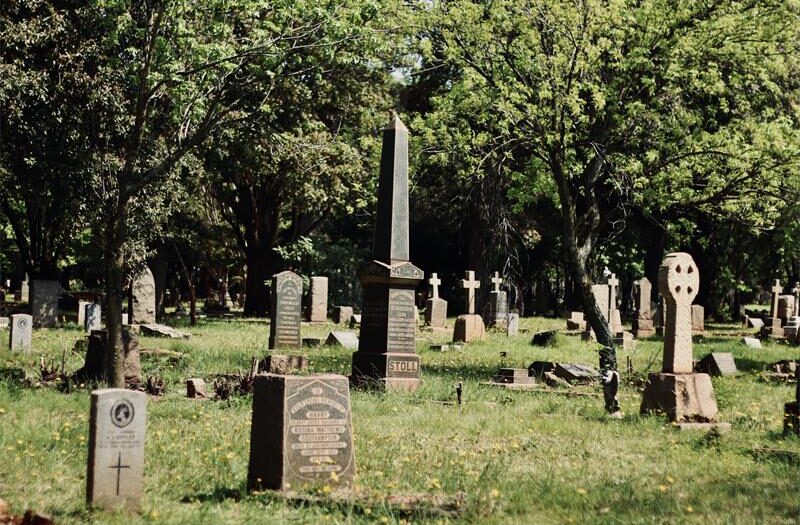
For Sarah Welham, who runs the FoJC, Brixton Cemetery is far more than a place where people are laid to rest. “There are a lot of World War I graves where we stand,” she said, pointing to headstones recording South Africans who served in the war.
Read more: Westpark Cemetery flower seller Collen Padayachee marks 40 years of service in Randburg
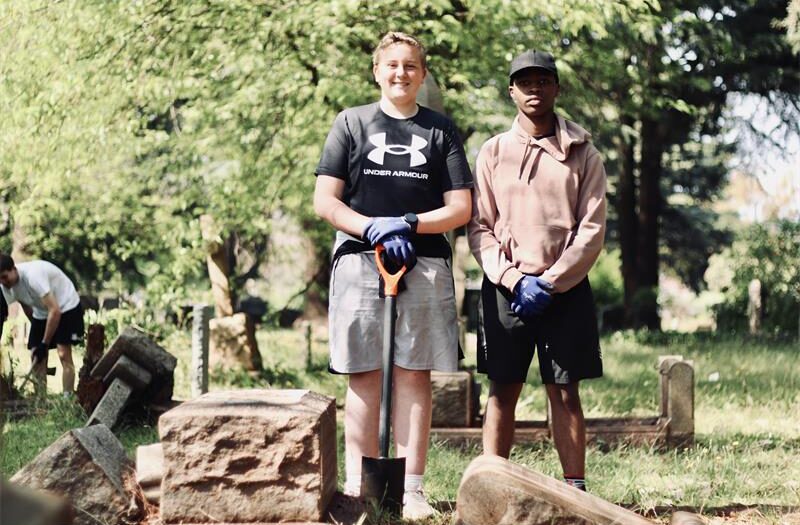
The cemetery also contains a Hindu crematorium that remains in use, while its headstones provide a visual record of changing approaches to memorial design over the years. “You can see how the headstones changed over the years. And that, for us, is quite important,” said Welham.
It is this combination of personal stories, historical events and changing communities that makes cemeteries valuable to Welham, who describes them as a kind of history book. She said she gets excited when she discovers the grave of someone whose life is already part of Johannesburg’s documented history.
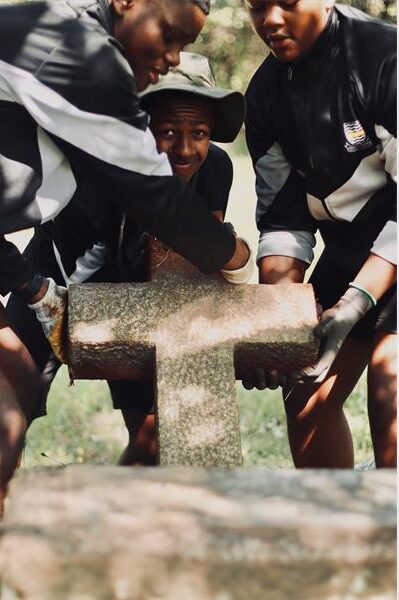
For the Jeppe boys, the experience offered a different way of encountering that history. Learner Vukosi Baloyi said he was proud that the learners were contributing to the community in a way he felt made their school stand out.
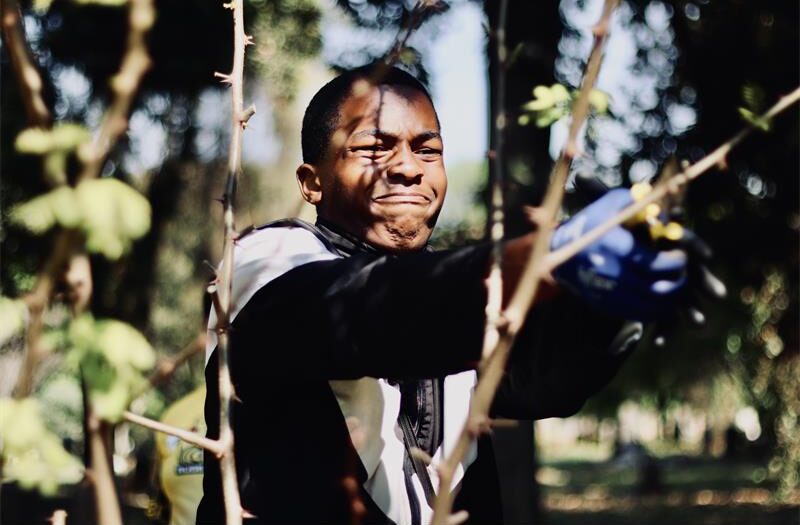
Fellow learner Noah Magadla said the amount of litter they encountered was among the things he would remember, but seeing the difference at the end of the clean-up made the work worthwhile. The boys also began to appreciate the significance of the site itself.
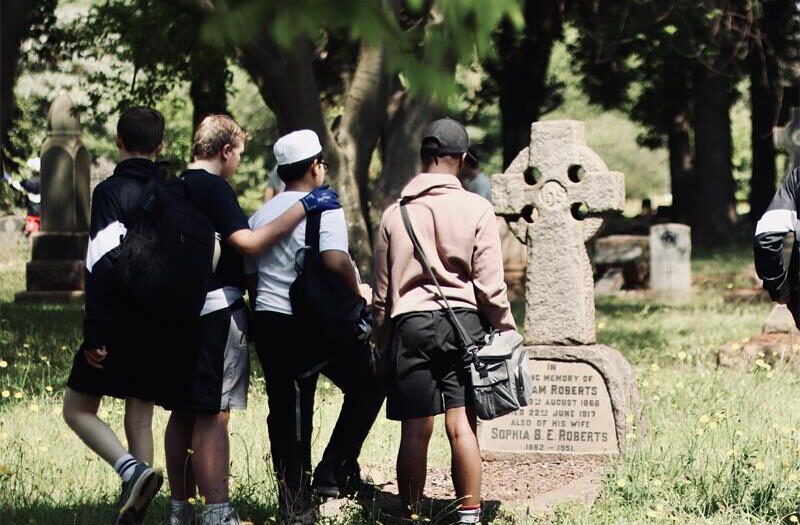
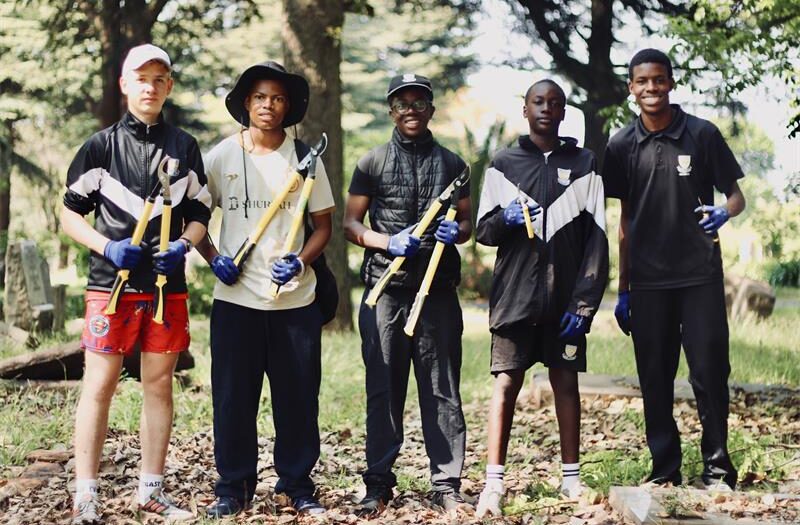
Vukosi said he learnt that Brixton Cemetery is one of Johannesburg’s older cemeteries and has a history stretching back beyond the apartheid era. Noah described it as a heritage site that should be cared for and kept presentable for people to visit.
For Brett Riskowitz, a house master and an English and Life Orientation teacher at Jeppe Boys High, the decision to bring the boys to the cemetery was rooted in the school’s broader philosophy of service.
He said the school wanted the boys to understand the importance of giving back and developing what he called a ‘servant heart’. But he also wanted the experience to encourage them to look beyond themselves and become more aware of the world and community around them.
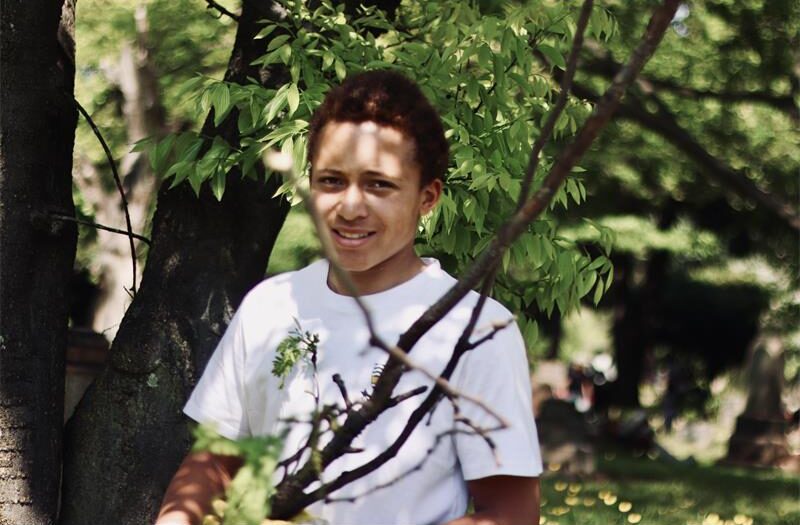
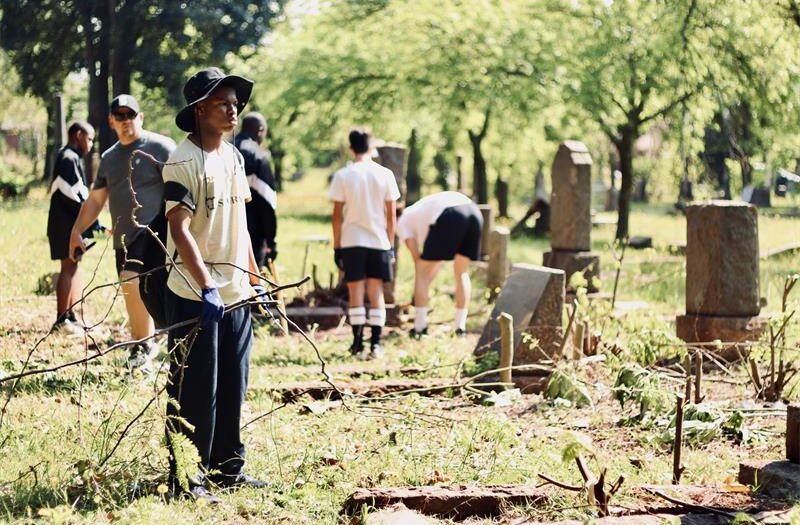
Jeppe High School for Boys, which dates back to 1890, has a long history of service, Riskowitz said, pointing to the school’s motto: Nihil nimis difficile fortibus – Nothing’s too difficult for the brave. He said the clean-up was an opportunity to challenge the boys to live out that principle by contributing to something beyond the school itself. “This can’t be a Jeppe thing. This must be a Joburg thing,” he said.
Riskowitz believes community involvement can help young people understand that building and maintaining a country requires people to contribute their time and resources. He drew a parallel with the school’s own history, saying that when Jeppe Boys faced difficult periods, old boys and parents stepped forward with money, resources and time to help turn things around. “If we can do it for a school, we can certainly do it for community,” he said.
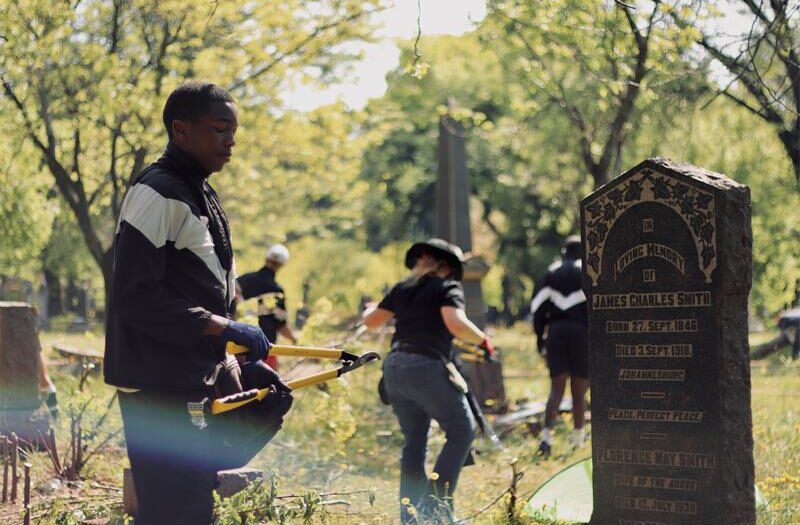
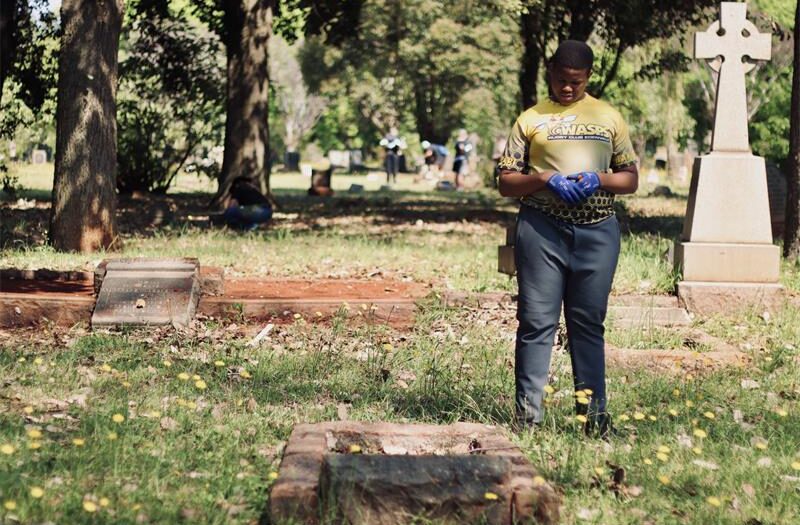
For Welham, however, maintaining a cemetery comes with particular challenges. Unlike an ordinary street clean-up, volunteers are not simply removing litter. They may work directly around graves, clean headstones and carefully clear areas around memorials.
The FoJC team typically has about a dozen people at its regular clean-ups, meaning only a limited number of headstones can be attended to during a morning. Welham said the group generally returns to work at the cemetery roughly every two months, although vegetation can quickly grow back.
Despite challenges faced by FoJC, Welham said the volunteers remain motivated by their passion for cemeteries and the difference they can make. There is also a safety consideration. Volunteers are reluctant to work alone at cemeteries, making organised clean-ups an important way for people to contribute while working together.
Also read: Jeppe High School for Boys learners clean up Brixton Cemetery
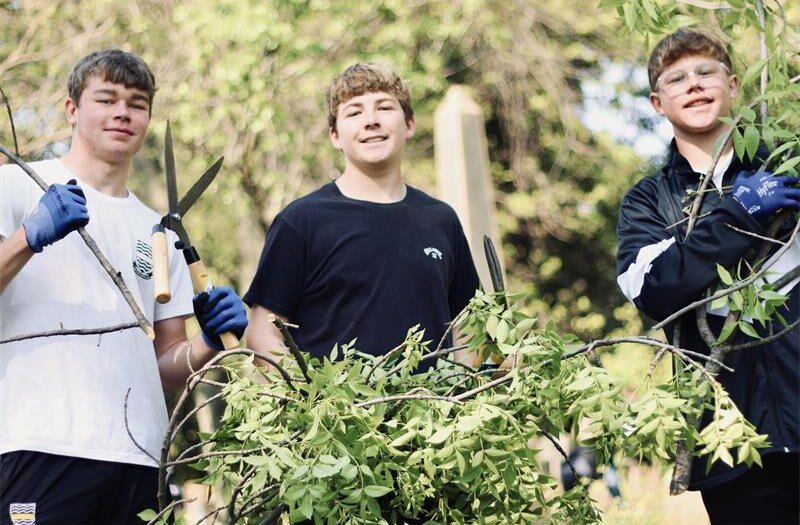
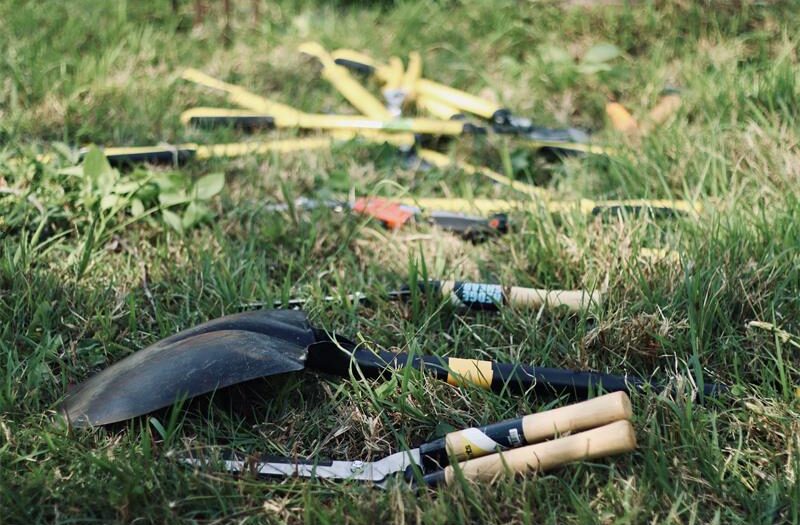
For Welham, the value of these spaces extends beyond the graves themselves. With their trees and plants, cemeteries can also provide residents with places to connect with nature and escape the pressures of everyday life.
And after a day of scratches, bumps and hard work, she hopes the Jeppe boys take something more lasting away with them. “I hope it won’t be all the scratches and the bumps,” she said. “That beyond the pain, there’s a joy of knowing you made a difference.”
For a group of young people who arrived to clean a cemetery, that may be the most important lesson of all: Johannesburg’s history is not only something to read about. It is something the living have a responsibility to care for.
Follow us on our Whatsapp channel, Facebook, X, Instagram, and TikTok for the latest updates!