Chinese community celebrates Moon Festival
The ancient Chinese observed the movement of the moon had a close relationship with changes of the seasons and agricultural production. Hence, to express their thanks to the moon and celebrate the harvest, they offered a sacrifice to the moon on autumn days.
The Moon Festival, one of the most important traditional events in Chinese culture, was celebrated by thousands of Chinese families across the world on Monday, September 8.
Falling on the fifteenth day of the eight month according to the Chinese calendar, the moon is usually on its brightest and fullest on the day, usually in the middle of autumn in China.
The Moon Festival, also known as Mid-Autumn Festival, is an inherited custom of moon sacrificial ceremonies.
The ancient Chinese observed the movement of the moon had a close relationship with changes of the seasons and agricultural production. Hence, to express their thanks to the moon and celebrate the harvest, they offered a sacrifice to the moon on autumn days.
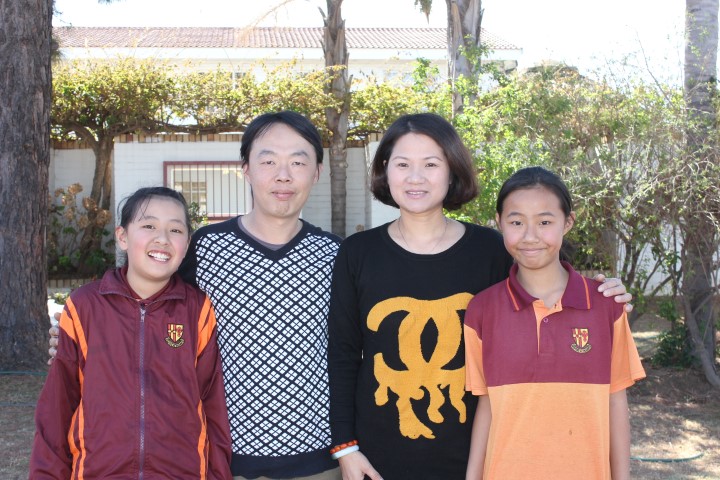
The Lee family was one of the local families who celebrated the auspicious festival.
Aaron Lee explained the Moon Festival was a family day when families got together to socialise and enjoy lunch or supper together.
“After eating, we sit outside and look at the moon which is usually very bright on the day,” said Nancy Lee, Mr Lee’s wife.
Moon cakes are eaten during this festival. Most moon cakes consist of a thin, tender pastry skin enveloping a sweet, dense filling, and may contain one or more whole salted egg yolks in the centre, symbolising the full moon. Usually, moon cakes are steamed or fried.
Traditional moon cakes have an imprint on top consisting of the Chinese characters for “longevity” or “harmony”, as well as the name of the bakery and the filling inside.
As their three daughters were born in South Africa, the couple went out of their way to teach their children Chinese traditions.