
Amur Falcons Gone? Not yet, and they’ll be back
ON SUNDAY evening, April 12, Vryheid’s colony of Amur falcons was still here! This will be the latest that they leave us for the last 18 years (the period we actually have a record of). For the last 18 years, they have generally left between March 27 and April 6, to fly back to their …
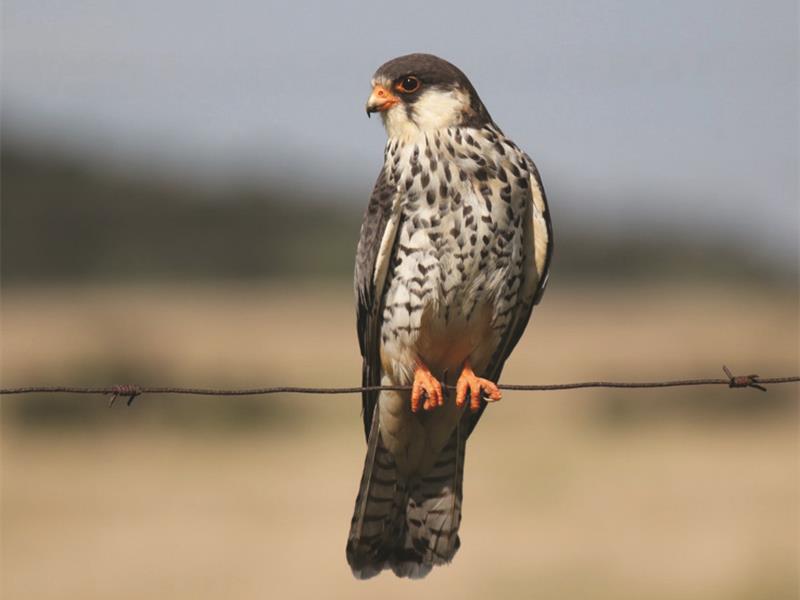
ON SUNDAY evening, April 12, Vryheid’s colony of Amur falcons was still here! This will be the latest that they leave us for the last 18 years (the period we actually have a record of). For the last 18 years, they have generally left between March 27 and April 6, to fly back to their breeding grounds in Manchuria, Siberia and northern China.
This is an annual trek for these little raptors that weigh not much more than 140gm each (100-180gm). They arrived in Vryheid early in December last year, spent the summer here, and now will fly back north for the northern hemisphere’s summer.
Their route north is believed to be up the length of Africa, across the Middle East and north of the Himalayas to their breeding grounds. When they come south, they apparently fly over the Himalayas into India, and then fly a leg of over 3,000km over the Indian Ocean to reach the east coast of Africa. It is a hazardous journey.
Added to the hazards that the birds face during their migration, has been the possibility of been netted in Nagaland in north-eastern India, where they are viewed as a seasonal source of protein. There were pictures of the birds’ pathetic little plucked carcasses for sale in the markets, and it is estimated that as many as 145,000 of these birds were caught and killed annually. An outcry from conservation organisations resulted in the implementation of a campaign to prevent these killings.
How successful this campaign has been is not known, but bird lovers in Vryheid have remarked this year on the apparent huge increase in numbers of the Vryheid colony. One estimate of the number seen one evening in the sky over the swimming pool in High Street was of 10,000 birds, which is a huge increase in numbers when it is remembered that the estimate a few years ago was as little as 1,700 birds.
It was this decline in their numbers that led to the establishment of the Migratory Kestrel Project by the Birds of Prey Working Group, Endangered Wildlife Trust, to monitor their numbers. Volunteers in a number of South African towns monitor their birds’ arrival and numbers.
Colonies of visiting kestrels/falcons have selected a number of South African towns as their “bases” for the duration of their visit. Vryheid is just one of them chosen, it would seem, because of its suitable roost trees at the municipal swimming pool in High Street.
Both of the migrating species that come to Vryheid, the Lesser Kestrel and the Amur Falcon (which used to be known as the Eastern Red-footed Kestrel) are gregarious birds that might hunt as individuals by day, but spend nights together in large trees, often large trees in urban areas.
In Vryheid, the trees where the birds roost at night were declared a “Site of Conservation Significance (No 178)” by the then Natal Parks Board (now EKZN Wildlife) in November 1997. This in effect made the landowner, the municipality, the custodian of the site, obliged to ensure that the site is not degraded nor destroyed.
The birds presence here, even if it is for only four months out of 12, is an indication of healthy grasslands, wetlands and vleis around Vryheid. The birds are important to farmers in that they severely reduce the number of crop and grass eating insects – grasshoppers, locusts and termites, and other sundry goggas, even if it is one at a time.
The birds will return to Vryheid later this year – during the last week of November or the first week of December. In 2010, a satellite transmitter attached to a female Amur Falcon belonging to the Newcastle colony, indicated that the 14,500km journey back to northern KZN begins in mid October.
So, it’s a six-week flight back to Vryheid, and all because of the trees at the swimming bath and plenty of tasty goggas.