Speed limit to be slashed – proposal
Achieving a reduced speed limit will have quite a hefty price-tag attached to it. Replacing all the offending road signs, amending mentions in all documents, training manuals, maps and legislative text is going to be a very, very, costly exercise indeed - the AA.
There has been a guarded response from the Automobile Association on a proposal by Minister of Transport Dipuo Peters to have
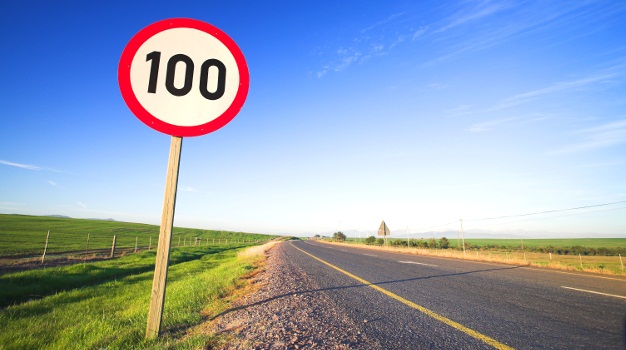
speed limits to be reduced from 60 to 40km/h in urban areas, from 100 to 80km/h in rural areas and from 120 to 100km/h on freeways running through a residential area
In a statement the AA said:
“We are afraid that there is already an entrenched perception that speed law enforcement is nothing more than a revenue collection exercise with limited or no, safety consideration. To date, I have not heard any convincing rebuttal. A reduced national speed limit will, in effect raise revenues collected and cause more cases to be heard in our already over-burdened courts.
The real benefit, speed wise, is only felt at around 80km/h and I am sure that no-one wants a repeat of the early 1980’s when that was the national speed limit. Sure, the fatality rate almost halved during those years but then, so did productivity…
Achieving a reduced speed limit will have quite a hefty price-tag attached to it. Replacing all the offending road signs, amending mentions in all documents, training manuals, maps and legislative text is going to be a very, very, costly exercise indeed.
Then there is the tax. Travelling at a lower speed will result in fuel savings – this is good. Obviously the planet will benefit. Less fuel sold will mean less tax collected from the fuel levy and less contributions to the Road Accident Fund. Now there’ll be a shortfall for road maintenance and the RAF will be deeper into the red – not good.
The answer? Increase both the fuel levy and the RAF levy (to meet the shortfall in revenue) making petrol and diesel even more expensive. Push up the input costs for industry, which increases inflation, and Gill Marcus increases the repo rate. Definitely not good!
Just because the speed limit went down.
One thing that the Minister has got right is the acknowledgement that road safety is in a state of crisis. What this debate has raised are a number of relevant issues from the motoring public.
Before you change the speed limit, please look at the roadworthiness of vehicles – buses, minibus taxis, and trucks. What about seatbelts and parents who allow their kids to wander about their cars. Don’t forget too, the idiot texting on their cellphone while driving. And stop signs? All these offences came up in discussion more than once. Deal with them.
The Automobile Association has taken the view that in order to reduce the carnage on our roads, we should be looking at the complete picture.
During the past fifteen years there have been at least three National Road Safety Strategies – not one has been fully implemented. The only constant has been a limited law enforcement plan which has had partial success.”