Don’t fiddle with our water factories
This activity has the potential to affect groundwater quality as it uses hydraulic fracturing techniques
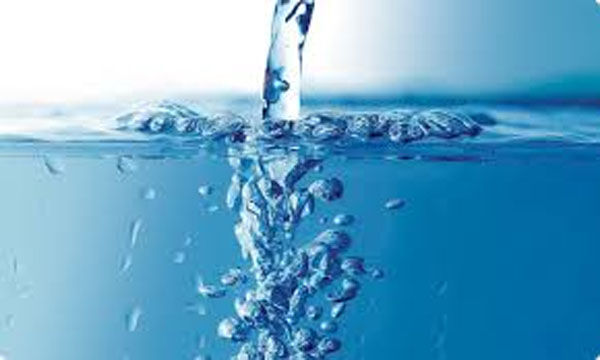
In nature, there is no magic water factory – the water on the earth now is the same water that has been here since the beginning of time. Whether in the Karoo or the forests of the Congo, the basics of the water cycle are the same: Water falls on the land as rain, snow, sleet, hail and mist, runs into our rivers, fills our dams and underground aquifers, and flows out to the oceans.
The sun evaporates this water, clouds form and some of it falls again on the land. This is the water that we all use. Only three percent of the water on our planet is fresh water (as opposed to saline) and only one percent is available for our use. South Africa is a water scarce, semi-arid country, and unfortunately, even the little water we do have is often badly managed, used wastefully and polluted.
It seems crazy then that hydraulic fracturing (fracking), which uses a lot of water and pollutes water, should even be considered an option to boost our energy resources!
A number of technical cooperation permits have been issued in the Midlands and ‘Berg foothills, which give the holders rights to research the area as a desktop exercise with a view to fracking. In order to verify the amount of shale gas present and its viability as an energy source, prospecting – or exploration – as it is termed in the oil and gas sector, will need to take place.
This activity has the potential to affect groundwater quality as it uses hydraulic fracturing techniques. The KZN Midlands is a National Freshwater Ecosystem Priority Area. The role of the Drakensberg and foothills as the ‘water factories’ of KwaZulu-Natal cannot be underestimated.
Intact grasslands are important for storing rainwater in wetlands or as ground water which is gradually released throughout the year.
It is vitally important to protect these areas which sustain the flow of clean water, supporting the lives and livelihoods of nearly six million people downstream.
Other free ecosystem services provided by these Midlands grasslands include pollination, soil production, flood water attenuation, carbon storage, cultural and recreational amenities and support to subsistence livelihoods.
The uMngeni River catchment supplies 1000 million litres per day of potable water to a vast area including Howick, Hilton, Edendale, Wartburg, Vulindlela, most of Durban and Pietermaritzburg.
The Midlands Conservancies Forum (MCF) opposes, on ecological, economic and social grounds, the use of fracking to recover natural shale gas. Specifically, the MCF believes that the risk of contamination of groundwater in an already water-stressed environment is simply unacceptable. Despite assurances from potential extractors that the technique is safe, evidence of failed safety measures and resultant contamination is increasingly common in areas where fracking has been undertaken, even under first world conditions.
We can’t drink gas!
Want to be better informed about this issue? Learn more: https://www.midlandsconservancies.org.za/prpagefracking.php