Entering the Rattrace will benefit a needy child
Fines come in many forms and are all read out after the bicycle “race” is over while everyone is gathering for lunch. Come along, enjoy a day out in our beautiful countryside, contribute to a very good cause and enjoy the camaraderie of a winter day on bikes.
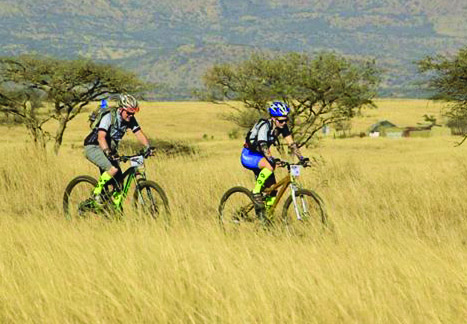
The annual Rattrace, near Rorke’s Drift, this Saturday will see cyclists take on a rugged 28km in a bid to raise funds for the David Rattray Foundation, DRF.
Now in its ninth year, the Rattrace is one of those enjoyable fundraising events during which the participants can see some of the area they are helping. Contributions come in many forms – the most notable – and one, which raises many good-humoured laughs, is the fining process.
Riders are ‘fined’ (requested to make a contribution) for riding a flashy bike – or not riding a flashy bike, for running the race instead of riding it, for wearing non-DRF riding kit, talking too much during the ride, or taking a short cut along the 28km route. Fines come in many forms and are all read out after the bicycle “race” is over while everyone is gathering for lunch. Come along, enjoy a day out in our beautiful countryside, contribute to a very good cause and enjoy the camaraderie of a winter day on bikes.
The race starts from Fugitives’ Drift Guest House, Rorke’s Drift, with registration at 7.30am and the start at 8am. Cost: R395 per cyclist and lunch R50. Details: please contact Fugitives’ Drift:
034 271 8051 or reservations@fugitivesdrift.com
The David Rattray Foundation
David Rattray had a belief that by giving people a decent education, they would be better able to fend for themselves and make a substantial contribution to their homes, their villages, their district and the nation as a whole. They would become a national resource.
The David Rattray Foundation has been in operation since 2007, and in achievement of this objective, provides support to 19 schools in the Rorke’s Drift and Isandlwana areas The DRF raises funds and uses them to help the schools with buildings, classrooms, school management training, teacher development, art classes, preschool construction, equipment and training, IT and Science labs, sports equipment, water, electricity and all the essentials that contribute to an improved education. An excerpt from a recent report by the UKZN said of the DRF schools “Both the schools and the Dept of Education officials say, qualitatively, that there has been a vast improvement in their schools since the DRF began its improvement programme. There is a greater sense of purpose, of pride and of achievement in these schools, pass marks have improved by 48% and the number of children who go on to tertiary educational institutions has increased by 32%.”