
Beware the deadly bite
Vaccination is the most effective way to keep this deadly virus at bay
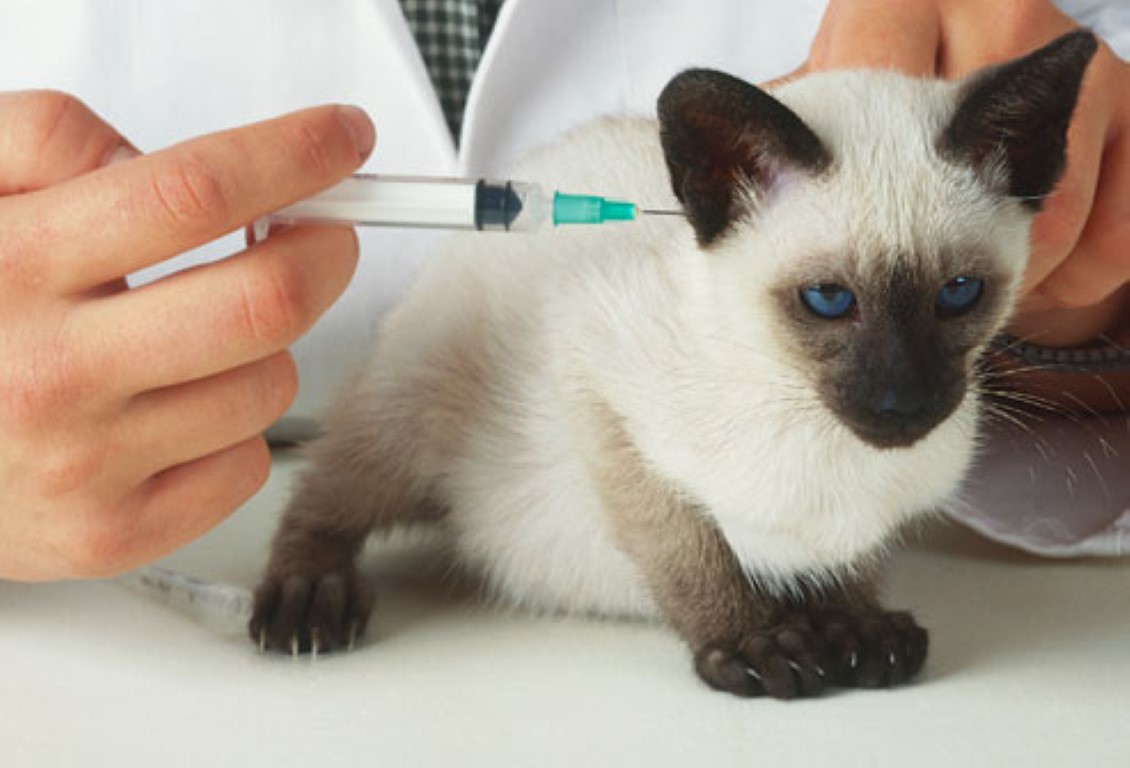
Rabies kills! Statistics show that more than 50,000 people worldwide die of this contagious viral disease that is spread by animals.
Since May this year, the National Institute for Communicable Diseases (NICD) confirmed a total of seven human rabies deaths in KwaZulu-Natal, the Eastern Cape and Limpopo.
The NICD labels rabies as a ‘fatal viral infection of the brain’.
“The virus is spread by contact through the infected saliva of a rabid animal. Humans can come in contact with the virus-laden saliva in different ways, for example bites and other wounds inflicted by these animals. If you’re licked on the mucous membranes (ie eyes, nose and mouth) or on broken skin, you can also contract this disease. Human rabies cases are most often associated with exposure to rabid domestic dogs,” the NICD reports.
Vaccinations are currently rated as the best available measure to prevent rabies infection, as well as interrupt outbreaks of the disease.
This year will mark the 16th World Rabies Day, falling on September 28, and the theme for 2022 will be ‘Rabies: One Health, Zero Deaths’.
ALSO READ: Crèche cares for the environment
To provide more information about this deadly disease, the Estcourt Animal Shelter is embarking on a rabies awareness campaign.
Shelter chairperson Leigh Fortmann explains that, “We will be visiting schools in the greater Estcourt area to educate children on the need for vaccinating their pets, what they should be on the lookout for in infected animals, and what is entailed in being a responsible pet owner. There will be follow-up articles as our campaign evolves and further information is supplied. We will do weekly sections of what the symptoms are, what to do if exposed, and how to deal with an animal that is exhibiting unusual behaviour.”
Fortmann encourages pet owners to check their pets’ vaccination status and ensure that it is up-to-date.
“The rabies virus has been a cause of infection and death in all mammals for hundreds of years. To date, there is no cure; and treatment, once exposed, is very time-sensitive. The World Health Organization (WHO) has embarked on an eradication campaign to eliminate human rabies-related deaths by 2030. 59,000 people die worldwide each year as a result of this deadly virus and almost half are children under the age of 15. It is something that is preventable and yet vaccinating is still not taking place in the quantities required to control the spread,” she concluded.
Click to receive news links via WhatsApp. Or for the latest news, visit our webpage or follow us on Facebook and Twitter