
The Legacy of Albert Luthuli lives on in Newcastle
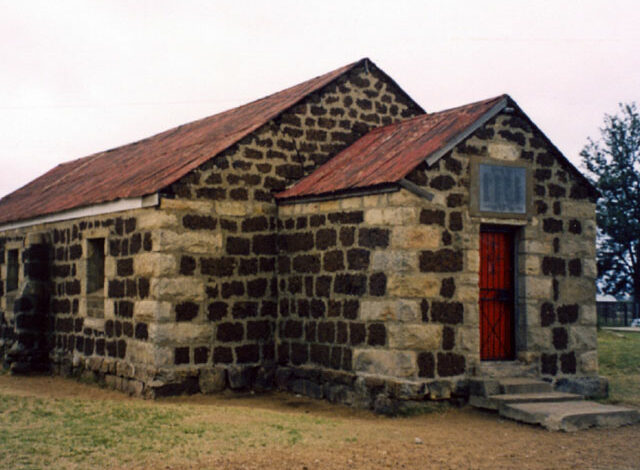
Among Newcastle's hidden gems lies a powerful symbol of South Africa’s past: the Albert Luthuli Museum in Blaauwbosch.
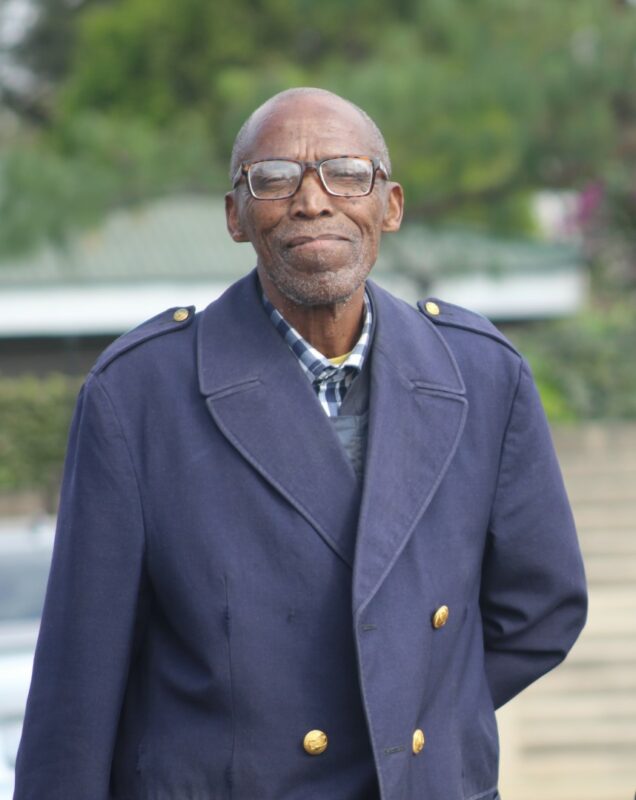
Midwell Gampu, the museum’s dedicated manager and guardian of this historic site, sat down with the Newcastle Advertiser to share his knowledge about the museum’s rich history.
The museum was built on the property where Chief Albert Luthuli—the revered anti-apartheid activist and Africa’s first Nobel Peace Prize laureate – once lived.
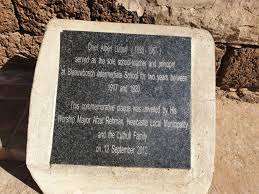
Born in 1898, Luthuli’s academic journey took him to Edendale Teacher Training College near Pietermaritzburg. By 1917, at just 19 years old, he became the principal and only teacher at Blaauwbosch Intermediate School. The school, founded in 1895 by 31 Zulu Christian landowners, served as the heart of a visionary rural settlement.
Luthuli resided with the Xaba family – members of the church that he would later pastor. His role in Blaauwbosch marked the beginning of his lifelong commitment to education and community development.
The original school building where Luthuli taught still stands and has been preserved as the Chief Albert Luthuli Museum. His classroom (room 17) and his office as a principal (room 18) are a testament to his early contributions to education and his enduring legacy in the fight for justice and equality.
The opening ceremony museum was officiated by then Newcastle mayor Afzul Rehman in 2012.
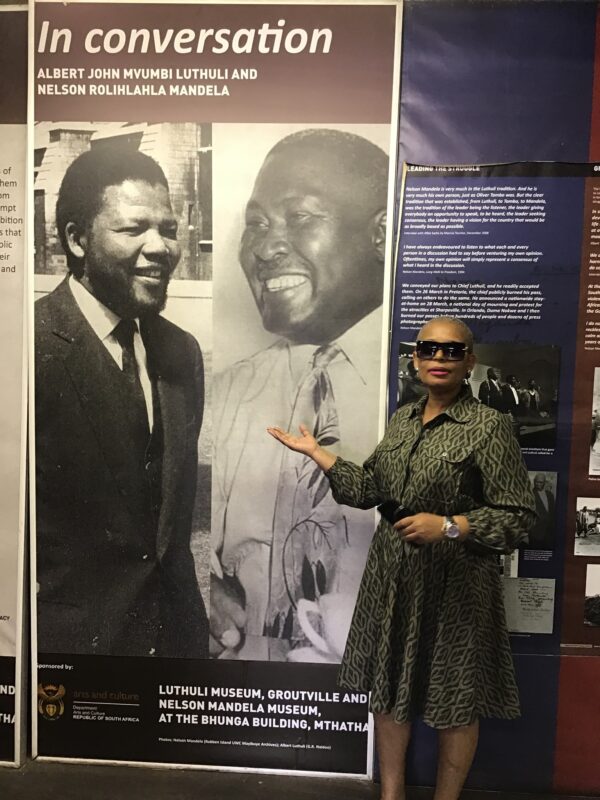
Community activists, including individuals like Gampu, have played a crucial role in maintaining the connection between Blaauwbosch, the Luthuli Museum in Groutville, and the Luthuli family, keeping the legacy alive and ensuring that his history is not forgotten.
“Luthuli’s arrival spiced up our area. We have a history that depicts the colonization era, the apartheid era and the post-apartheid era,” said Gampu
Albert Luthuli’s stay in Blaauwbosch was formative, setting the groundwork for his future educational endeavours and leadership role in the African National Congress. Luthuli joined the African National Congress (ANC) in 1944 and was elected Provincial President of the Natal Branch in 1951.
A year later, in 1952, Luthuli spearheaded the Defiance Campaign to resist the pass laws and other apartheid legislation. His experiences in this rural area had a major impact on his views on social justice and equality, which shaped his actions for the rest of his life.
Albert Luthuli was elected president-general of the African National Congress in December 1952, with Nelson Mandela serving as his deputy.
Luthuli, inspired by his Christian faith and Gandhi’s peaceful methods, was praised for his dedication to the nonviolent struggle against apartheid as well as his vision of a non-racial South African society.
The museum continues to host visitors’ tours and this year will participate in a special tree-planting initiative this year. The campaign, aligned with the national goal of planting one million trees, pays tribute to Chief Albert Luthuli’s passion for both freedom and farming.
“We stand on the shoulders of giants, and it is up to us to ensure that our youth never forget where they come from and who fought for their freedoms,” said Gampu.
See photos below:
The news provided to you in this link has been investigated and compiled by the editorial staff of the Newcastle Advertiser, a sold newspaper distributed in the Newcastle area. Please follow us on Youtube and feel free to like, comment, and subscribe. For more local news, visit our webpage, follow us on Facebook and Twitter, and request an add on our WhatsApp (082 874 5550)