
How to produce the ideal weaner calf
While genetics, weight and growth potential all matter, Liebenberg says calf health remains the single most important factor.
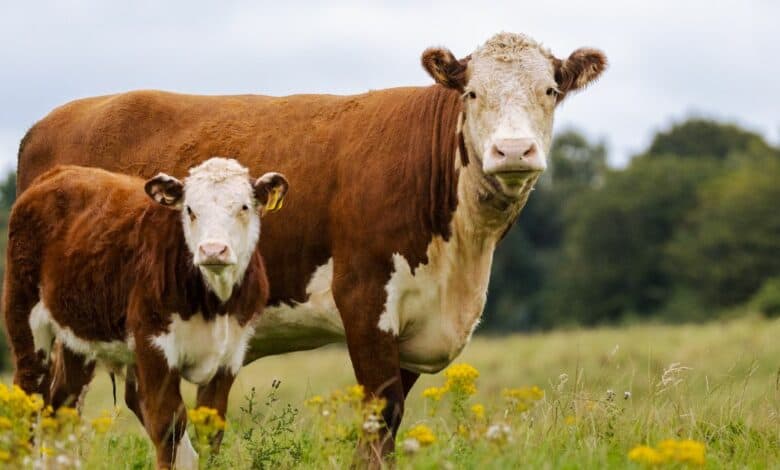
For cattle farmers, producing a quality weaner calf is about far more than achieving a good sale-day price. The characteristics that make a calf attractive to feedlots are often the same factors that improve productivity and profitability on the farm.
According to Jaco Liebenberg, Technical Manager Feedlot & Farms at Beefmaster Group, understanding what buyers look for can help farmers make decisions that add value long before a calf enters the feedlot.
“A successful weaner calf is one that performs well throughout the value chain,” says Liebenberg. “The ideal calf ensures maximum profit per hectare for the farmer while maintaining top performance in the feedlot,” says Liebenberg.
Below are the most important qualities that feedlots look for in weaner calves.
Quality #1: Health comes first
While genetics, weight and growth potential all matter, Liebenberg says calf health remains the single most important factor.
“A healthy calf is the foundation of feedlot performance,” he explains. “Calves that have been properly vaccinated and weaned before entering the feedlot generally cope better with transport and handling stress. They settle faster, remain healthier and convert feed more efficiently.”
Healthy calves are less likely to become ill after arrival, reducing losses and allowing them to maintain consistent growth rates. For farmers, this often translates into stronger demand and better marketability.
Quality #2: Age matters
Feedlots generally favour younger calves because they utilise feed more efficiently and convert it into growth more effectively.
“As cattle mature, more of the energy they consume is directed towards maintenance rather than growth,” says Liebenberg. “Younger calves are generally more efficient at converting feed into muscle, which is why age is an important consideration.”
This does not mean farmers should market calves too early, but rather that timing and growth management play an important role in producing a desirable weaner.
Quality #3: The balance of weight and condition
Weight is one of the first characteristics buyers evaluate, but heavier is not always better.
“There is an important difference between a calf that is heavy because it has grown well and one that is carrying excessive fat,” says Liebenberg. “Over-conditioned calves require more energy simply to maintain themselves, leaving less energy available for growth.”
Calves that are excessively fat often perform less efficiently in the feedlot, while those that are healthy, well-grown and in moderate condition typically deliver better results.
Quality #4: Good genetics and frame
Genetics play a significant role in determining how a calf grows and develops. Factors such as frame size, muscularity and maturity patterns all influence performance.
“Medium- to large-frame animals generally offer excellent growth potential,” says Liebenberg. “They tend to grow efficiently, produce heavier carcasses and maintain strong performance throughout the feeding period.”
Breed selection also contributes to performance. Different breeds offer different strengths, whether in growth rate, feed efficiency or carcass characteristics.
“Crossbred calves often outperform the average of their parent breeds,” Liebenberg explains. “When managed correctly, they can offer an excellent balance between growth, muscle development and efficiency.”
Liebenberg adds that Beefmaster Group works with all types of cattle, regardless of breed.
The role of gender in determining the ideal weaner
Gender also influences feedlot performance. Male calves generally achieve higher daily weight gains and convert feed more efficiently than female calves.
However, Liebenberg notes that female calves can still perform well under the right circumstances and often spend fewer days in the feedlot before reaching market specifications.
“The key is understanding how different classes of animals perform and ensuring they are marketed appropriately,” he says.
Producing calves that buyers want
Ultimately, feedlots are looking for animals that can convert feed into high-quality beef efficiently and consistently. Farmers who focus on calf health, sound genetics, good maternal performance and effective grazing management are more likely to produce calves that meet these requirements.
“But it all starts with the cow. The mother must be able to raise a healthy calf on natural grazing, and that calf must then be able to convert feed into meat quickly and efficiently. When both of those objectives are achieved, everybody in the value chain benefits,” concludes Liebenberg.