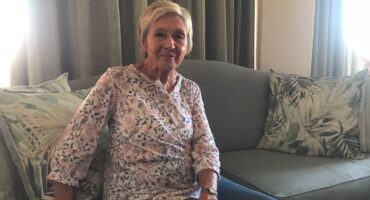
Past Trinityhouse learners share their experiences after systemic racism letter
RANDPARK RIDGE – Some of the members of a group of past Trinityhouse Randpark Ridge learners who wrote a letter to address systemic racism at the school have shared their experiences with the Randburg Sun.
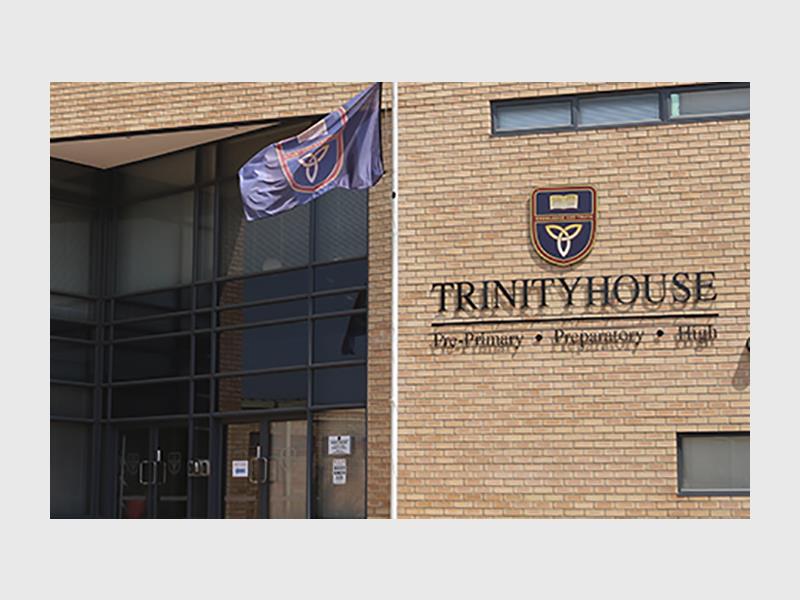
Some of the members of a group of past Trinityhouse Randpark Ridge learners who wrote a letter to address systemic racism at the school have shared their experiences with the Randburg Sun.
They also spoke of the progress that has been made since writing it.
One of the group, Lulama Rocha started at Trinityhouse in 2014 after his sister previously attended the school and spoke highly of it.
“The one thing that always stood out about Trinity was their school spirit and sense of unity, and I think that was what fuelled my excitement to go to the school. I come from a family that has very strong Christian morals and ethics, so this school suited me and my family,” said Rocha.
He said that noticing issues with systemic racism did not happen immediately and overtly, they happened in a collection of instances over his entire high school career.
“There was a situation in Grade 8 that I will never forget where I witnessed a friend of mine being called the k-word,” he claimed.
“What came of that incident was that the boy who said it had to write an apology letter to my friend, but no further action was taken. It was then that I began to wonder what principles were being held by a school that claims to have a zero-tolerance anti-racism policy.”
Fellow alumnus Lesedi Komape started at the school in 2009 and matriculated in 2013.
“I went to Weltevreden Park Primary School and most of us ended up at either Trinity or Rand Park High. I felt good about stating there and I knew that it was going to be a different experience,” said Komape.
She claimed that within a few months she experienced racial profiling from other learners and teachers.
“They seemed so fascinated with my dreadlocks, which at the time seemed innocent, but I also felt singled out. As time went on, I became the person who was always called out for hair and uniform inspections, feeling that you were bringing down the standard of the school by your natural look.
“I was one of six or seven black students in a classroom of an average of 26 students, and there was very little representation of black teachers. And it was also the small things that teachers would say that would get to you. For example, ‘Why do you guys have to be so loud this is not a tavern?’, and at the time, you shrug it off and carry on, but as more incidents like that build up, it plays on your mind.”
Further to that, she was supposedly told to be grateful for attending a school such as Trinityhouse as she could have been going to a township school, and being told that she was only there as her parents were benefiting from BEE.
“This sort of rhetoric came from both teachers and students,” she alleged.
When asked why these issues were only being brought up now if they had been taking place over several years, Rocha replied, “With this conversation that has been sparked globally, more people were listening. There has always been a problem in all aspects of our society, and many have raised their voices in the past and it has fallen on deaf ears.
“These times are different, and there has never been a better opportunity to voice our concerns. We have voiced our concerns with our school in the past, but back then, they were handled very lightly. It was handled more from a morality point of view, as opposed to a systemic and ingrained way of thinking that needed to see changes.”
When these issues were raised on social media, both Rocha and Komape were shocked to see the diversity of people that came forward. They were people from different matric years, sexes and races that voiced their issues and personal stories.
“A lot of families have made big sacrifices to send their kids to a school like Trinity and it is not fair that so many people have had a negative experience,” said Komape. “This is why we decided to mobilise a movement to see physical changes to racism policies at the school, as opposed to media statements. We are 100 per cent committed to seeing this process through.”
Since first putting a letter together to voice their concerns, the past learners have engaged with the school’s headmaster Farone Eckstein and CEO of Trinityhouse Randpark Ridge Merice Roopram. Eckstein and Roopram have started to implement a forum to drive engagement with past learners that will facilitate these conversations in the broader school community, and have acknowledged the need for the school to be more proactive in their dealings with racism at their school.
Komape continued, “Last week, a group of us met with a company that the school has appointed to facilitate and research areas where racism and other issues occur at the school. This study will be conducted independently and will not be influenced by the school.
“They will focus on these problems and suggest ways that they can be addressed. We originally asked for this independent research in our letter, and the school has responded in kind. For that, we are extremely thankful, and we can see progress being made.”
Roopram re-affirmed the progress being made in addressing these issues. “We are committed to anti-racism and are systematically engaged in a range of processes to ensure we live out this commitment.
“Our interventions range from consciousness-raising conversations to building inclusive relationships of trust to more systemic reviews of our school processes and policies. We are also building allies in the school that will create safe spaces for future engagements and for reporting if it is needed again.”