Digging deep into residents’ associations
Residents’ associations are turning everyday concerns into co-ordinated solutions that shape safer, more active communities.
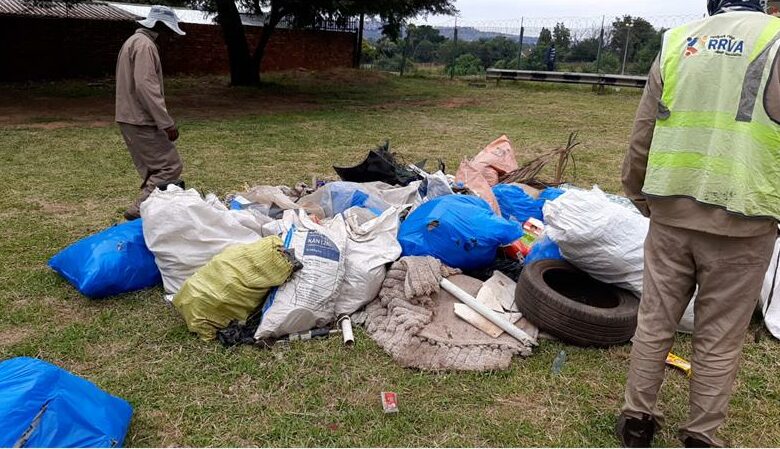
Residents’ associations (RA) in South Africa are voluntary, community-based organisations formed to represent local interests, improve neighbourhoods, enhance security, and hold municipalities accountable.
They work on initiatives such as upgrading parks, managing safety, and improving infrastructure, often funded by subscriptions, donations, or, in the case of homeowners associations (HOAs), through levy systems to maintain property values.
Read more: Preschool learners adopt environmental care during clean up event at Nautilus Park
Key roles and functions of these associations include: Advocacy and accountability: Acting as a united voice to engage with local government for service delivery, infrastructure repairs, and urban planning issues, security initiatives: Co-ordinating community patrols, crime prevention, and monitoring security hotspots, community development: Organising community events, beautifying public spaces, and fostering a sense of safety and unity, structure: Often established as non-profit, voluntary associations and run by elected volunteers, focusing on specific suburbs or areas, and support: Organisations like the Association of Residential Communities (ARC) and OUTA (Organisation Undoing Tax Abuse) support these bodies in managing, operating, and holding local authorities accountable.
The purpose of residents’ associations and why they need support more than ever
According to Rod Rankine, who has been a member of the Randpark Ridge Village Association (RRVA) for over 20 years, RAs are public benefit organisations (PBO) run by volunteer residents on behalf of all the residents, including residents who don’t contribute, within that community. It does jobs that the municipality is not prepared to do or will take too long to respond to – essential jobs that make communities safer, healthier, and more hospitable. “Currently, the City of Johannesburg is well down the road to becoming a failed metro. Service delivery is abysmal. Many of the tasks that the city previously performed are either no longer attended to or are attended to only after an inordinate amount of time has lapsed.
“In short, we can no longer rely on the city to clean our streets and parks, fix potholes, empty municipal rubbish bins, prune overgrowth, or service adjacent vacant land, which has generally become invaded by squatters and criminals.”
Local government becomes overburdened with so much bureaucracy, red tape, and oversight that the simplest of tasks become epic challenges. Political infighting and the desire to stay in power take priority over service delivery. This reduces the local government’s ability to respond appropriately to a real crisis.
RAs have significant costs, one of which is the admin overhead to collect membership fees and spend them wisely under the watchful eyes of an independent auditor.
Rankine explained that the community, with only 20% contributing members, is overburdened with the overhead costs to just exist, with very little extra for projects which improve and upgrade the neighbourhood. However, if the membership grows to 50% or more, significant extra funds become available for all sorts of exciting projects with vast potential to improve the overall living experience. “The benefits of living in a community serviced by a vibrant RA are both obvious and numerous, including higher home resale values, lower crime, clean, safe roads and parks, as well as an atmosphere of care and consideration. Furthermore, your donation to a PBO should be tax-deductible on furnishing your Section 18A Tax Certificate to SARS.
“The very least we should all do is contribute financially towards our RA, but we should actually also become involved in some aspect of running our RA. We are, after all, social creatures, and we all have a deep need for community and belonging.”
Why residents’ associations matter – and why your support counts
Johannesburg residents don’t need to be told that our city is struggling. Roads are deteriorating, electricity and water outages have become common, and public spaces are often neglected. It is easy to feel frustrated – or to assume nothing can be done, but Johannesburg has never been a city that simply waits for problems to be fixed. Residents step in and make things happen. Across suburbs, RAs are a powerful example of that community spirit at work.
Emi Koekemoer, Ward 104 councillor, explained that no councillor can respond to every issue alone. “RAs help make this possible. They connect communities with their councillor and the municipality, helping to organise and channel concerns so problems can be addressed more effectively. They also play a practical role in improving neighbourhoods’ day-to-day.”

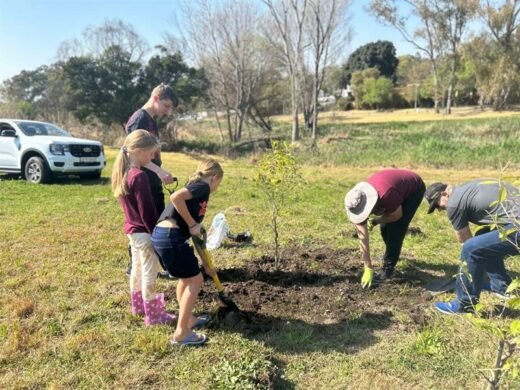
RA volunteers organise clean-ups and grass cutting, link neighbours through community WhatsApp groups, support local safety initiatives, and engage regularly with city officials to push for service delivery. They also help residents respond collectively to developments, rate proposals, and other local issues that affect our suburbs.
Acting chairperson of the Bryanfern Residents Association John Endres said that in many ways, RAs help communities fill the gaps where the city is falling short, but they only work when residents get involved. “They are run entirely by volunteers and depend on community support – whether through contributions, practical help, or participation. Supporting your local RA is one of the most effective ways to improve your immediate environment and protect the quality of life in your area.”
Bordeaux North Resident Association (BNRA) shared the following:
How have RA’s role evolved over the years?
- The RA has become a central rallying point for community co-ordination.
- It mobilises residents around core service delivery issues and broader social cohesion.
- It now plays a more strategic role, rather than just reacting to problems.
- We are seeing RAs gradually strengthen as governance structures.
- When multiple RAs collaborate, they begin to understand their collective influence.
- Organised RAs represent structured resident power and real autonomy at the local level.
Also read: Clean-up day set for Sonneglans greenbelt left to rot since August
What does the RA actually do on a day-to-day basis?
- Acts as the formal representative voice of residents. The leadership, which is elected at an AGM, carries a mandate from the community.
- Monitors and escalates municipal service delivery issues.
- Engages in fundamental infrastructure and compliance matters.
- Protects the long-term interests of the suburb.
- Maintains accountability to the residents who elected them.
How do RAs contribute to neighbourhood safety?
- Conduct regular engagement and audits with private security providers.
- Shift the focus from isolated home security to community-based security.
- Analyse trends and share structured safety updates with residents.
- Hold service providers accountable through performance oversight.
- Engage actively in CPF structures.
- Work with the South African Police Service to understand crime patterns and response trends.
- Empower residents with practical safety mechanisms.
- Advocate for a future-focused, co-ordinated community security model.
How do RAs bring residents together?
- Organise community walks and park gatherings.
- Host strategic online engagements.
- Present clear vision plans and invite structured input.
- Encourage collaborative participation rather than top-down decision making.
- Create platforms for residents to contribute ideas and feedback.
Follow us on our Whatsapp channel, Facebook, X, Instagram, and TikTok for the latest updates and inspiration!