Colds and flu odds stacked against Cycle Tour riders
‘Flu-like symptoms more common in athletes than in the general population’.
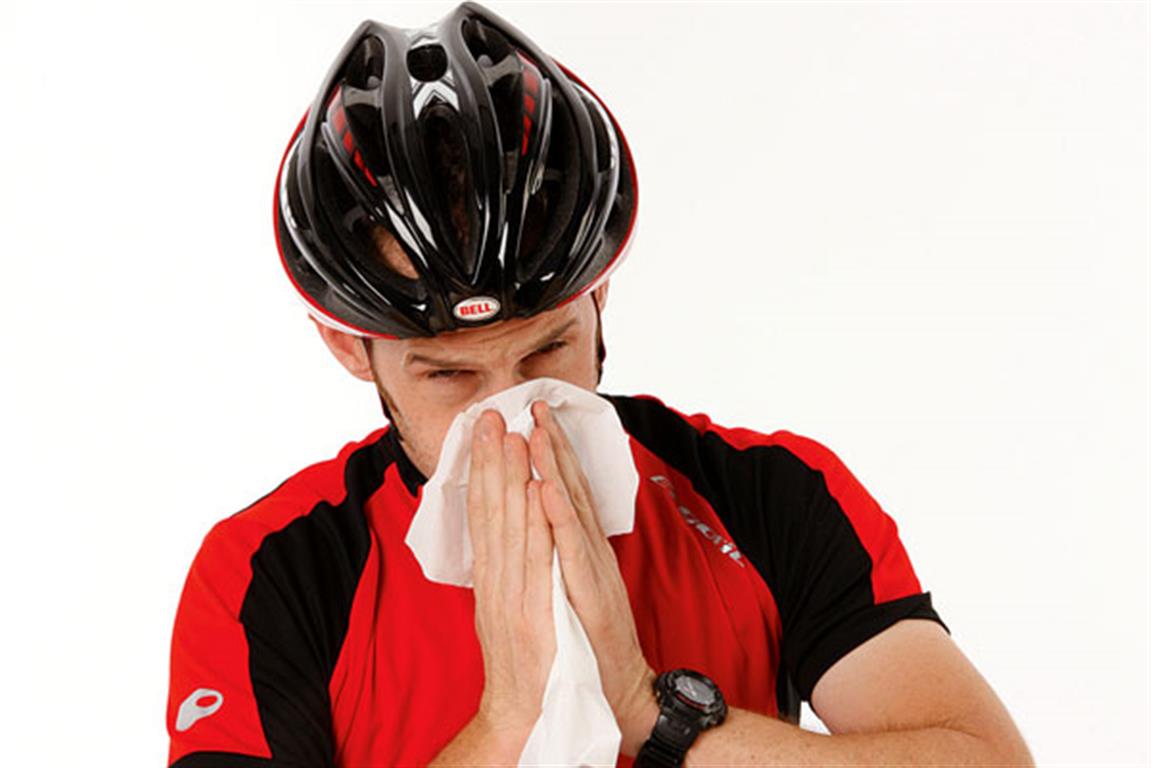
For the 35 000 cyclists tackling this year’s popular Cape Town Cycle Tour, the odds of catching a cold or flu before the race is six times greater than for those that will be cheering on the side-lines.
According to colds and flu pharmaceutical expert, Pharma Dynamics, long and intense training sessions of more than 90 minutes – typically required for endurance events such as the 109km Cape Town Cycle Tour – increases your risk of catching a cold for up to 72 hours thereafter.
Mariska van Aswegen, spokesperson for Pharma Dynamics, says sore throats and flu-like symptoms are more common in athletes than in the general population.
“Research shows that during intense physical exertion, the body produces hormones that temporarily lower immunity. Stress hormones, known as cortisol and adrenaline, typically raise blood pressure and cholesterol levels, but at the same time also suppress the immune system. This effect increases an athlete’s susceptibility to infection.
“When you’re training for a big race, it’s hard to imagine that there is such a thing as training too much, but over-training can wreak even more havoc on your immune system. Cyclists are often tempted to exercise longer and harder so they can improve at a quicker pace, but they often do so without adequate rest and recovery. In gist, over-training occurs when you train beyond your body’s ability to recover.”
Van Aswegen points out that cyclists often misdiagnose their over-training as a lack of fitness and push even harder. Symptoms of over-training can include tiredness, a lack of energy, sudden onset of depression or mood swings, loss of appetite, headaches and a drop in performance.
For all Cape Town Cycle Tour riders, she recommends the following infection-fighting strategies:
• Take an immune-boosting supplement or multivitamin. For fast-working action, try one with vitamin C and zinc, such as Efferflu C Immune Booster with added Echinacea
• Get a good night’s rest – it’s vital for muscle repair and your immune system. Sleeping less than seven hours a night makes you three times more likely to catch a cold than if you get eight hours or more
• Listen to your body – tiredness is a sign of over-training. If your energy levels are low, rather take a day or two to recover. Alternatively, exercise at a lower intensity
• Keep your energy up – training when your blood sugar is low will elevate the production of stress hormones which further depletes your immunity. Regularly sip on a sports drink or eat a banana to help fuel your training ride.
• Stay hydrated. Interestingly, saliva also offers protection against viruses that cause upper respiratory tract infections. During exercise, saliva production drops, so it pays to stay hydrated on all scores
• Load up on green veggies – the antioxidants in broccoli, spinach, lettuce etc will boost your resistance to viral infections
• Pace yourself – rather pedal at a moderate pace as pushing too hard simulates the immune-depleting effects of the actual race
“Other behavioural factors, such as good hygiene, also limit the spread of colds and flu viruses. Wash your hands regularly, especially after a workout, when your immunity is low.
“Should you catch a cold before the race, it’s best to keep the intensity to a minimum or take a few days to rest until symptoms have cleared. You don’t want to make it any harder for your immune system to fight the virus by introducing more catabolic activity. Once you get the go ahead from your doctor, don’t pick up where you left off, and rather build up gradually. It’s better to be under-trained and healthy than over-trained and sick,” advises van Aswegen.