
Concussion could kill you – ER24
Concussion can lead to coma and even death if left untreated. Here are the steps you should take to prevent damage to the brain.
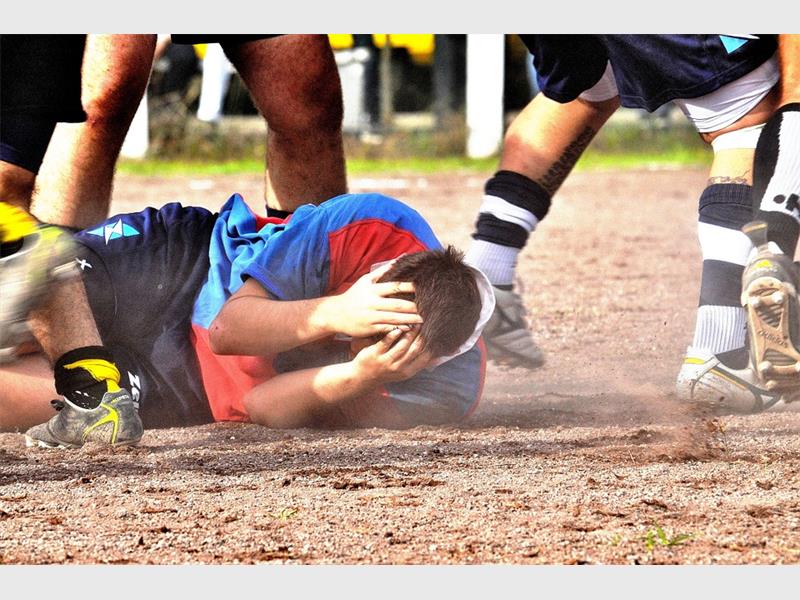
Did you know that concussion can actually end up killing you if not treated or taken seriously?
According to Athish Mohun, an ER24 paramedic, he and his team respond to reports of concussions almost daily.
“In South Africa, this type of injury is most prevalent in contact sports like rugby and soccer, but any injury to the head can cause a concussion – or a mild traumatic brain injury (MTBI), as it’s also known.
What is a concussion?
A concussion is an injury to the brain caused by an impact to the head or violent shaking of the head or upper torso. The impact causes your brain to shift suddenly inside the skull, and it is this chaotic motion that stretches, tears and damages brain cells.
Most people recover well from symptoms experienced at the time of injury, but for some people it could take longer, especially if a second concussion occurs. In some cases, concussion could be a warning sign of a more serious brain injury.
Concussion symptoms
If the patient is still conscious it may be more difficult to diagnose a concussion, but look out for some of these symptoms:
• Physical – Headache, blurred/ double vision, nausea/ vomiting, balance problems, lethargy and slurred speech
• Thinking – Difficulty thinking clearly, difficulty remembering new information, difficulty concentrating and in children, persistent crying or cannot be controlled
• Emotions – Irritable, sadness, more emotional than usual and change in sleep patterns: sleep more/ less
More serious warning signs are:
• Pupils change size (one pupil bigger)
• Confusion and disorientation
• Convulsions/ seizures
• Drowsy/ difficulty waking patient up
• Loss of consciousness
Two common mistakes
Mohun says bystanders who try to help a concussed person can often, unknowingly, do more harm than good.
Here are the two most common mistakes paramedics see:
Moving the patient around and carrying the patient away from where the injury occurred
“It’s human nature to try and help but carrying the patient can actually make things worse – especially if the patient has any related spine or neck injuries,” warns Mohun.
Get help quickly
“Getting checked out early is vital,” says Mohun.
Mohun says people tend to ignore the symptoms of a concussion – sometimes for weeks – only to get to an emergency department and discover bleeding or swelling in the brain.
What can bystanders do while they wait?
• Keep the patients where they are
• Keep the patient as still as possible (whether conscious or unconscious)
• Try not to move the head and the neck
• Calm the patient down (if confused)
• Stay with the patient until help arrives to prevent a second injury
• Keep the patient away from any hazards
• Wait for medical help to get there
• If the patients vomit, turn them on their side
• Source: ER24
Do you perhaps have more information pertaining to this story? Email us at randfonteinherald@caxton.co.za (please remember to include your contact details in the email) or phone us on 011 693 3671.
For free daily local news on the West Rand, also visit our sister newspaper websites
Remember to visit our Facebook, Twitter and Instagram pages to let your voice be heard!