
Gauteng enhances trauma care for victims of GBV
Gauteng is placing survivor safety, dignity and healing at the heart of its response to gender-based violence.
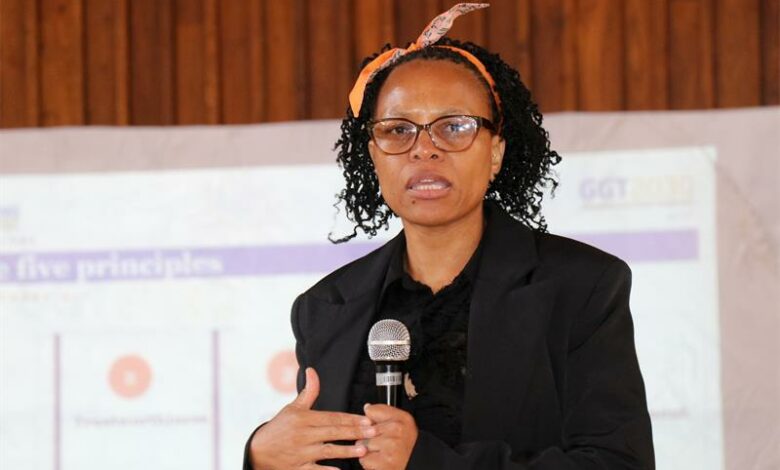
For GBV survivors, healing can continue long after the immediate crisis. The Gauteng Department of Social Development is strengthening support services by equipping frontline officials with specialised trauma-informed care skills.
The department recently hosted a Trauma-Informed Care Conference at the Springs Civic Centre in the Eastern Corridor, bringing together Social Workers and other professionals working under the Victim Empowerment Programme (VEP). The initiative supports Pillar 4 of the National Strategic Plan on Gender-Based Violence and Femicide (GBVF) 2020–2030, which focuses on response, care, support and healing.
Director for the Victim Empowerment Programme and Social Crime Prevention, Khanyisile Mathebula, said the aim is to ensure survivors receive sensitive, appropriate and victim-centred services that support both immediate needs and long-term recovery.
“Through VEP, the Department works closely with key stakeholders across the criminal justice and health sectors,” she said, naming the Department of Justice and Constitutional Development, National Prosecuting Authority, police, Department of Community Safety and Department of Health.
Mathebula said departmental monitoring identified a need to further strengthen therapeutic and psychosocial services provided by social workers across the province.
“The training aims to equip Social Workers with practical knowledge and skills to provide effective counselling and trauma-informed interventions to victims and their families,” she said.
The conference covered understanding trauma, including trauma caused by domestic violence and sexual offences, how trauma manifests, and therapeutic approaches for individuals, couples and families.
Psychologist and occupational therapist Dr Marcia Zikhali also supported the conference, providing specialised expertise on the emotional, psychological and social impact of GBV. The training further highlighted effective referral systems, safe and private environments for victims, and the importance of supporting Social Workers to reduce burnout and secondary trauma.
Zikhali stressed that victims and their families should be active participants in the healing process.
“Victim-centred services are essential in promoting healing, restoring dignity and empowering survivors to rebuild their lives,” she said.
The department said it remains committed to strengthening frontline services and partnerships to ensure GBV survivors receive compassionate, professional and effective support throughout their healing journey.