
Fuel price increase: How motorists can cut costs at the pump
Vehicle care and smart driving habits can help motorists cushion the blow of rising running costs this September.
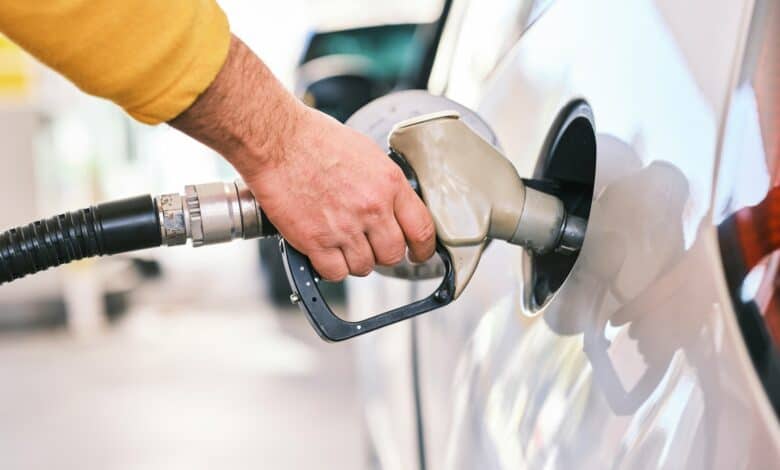
Motorists are facing higher running costs as fuel prices increased on September 2, with petrol rising by R1.34 per litre and diesel by up to R3.15 per litre.
While motorists have little control over international oil prices and the global factors driving fuel costs, vehicle maintenance and driving habits can help improve fuel economy.
According to Dewald Ranft, national chairperson of the Motor Industry Workshop Association (MIWA), a proud association of the Retail Motor Industry Organisation (RMI), rising fuel prices remind us that proper vehicle maintenance can make a difference to running costs.
“Every kilometre counts when fuel prices are rising. Motorists cannot control what happens to the price at the pump. Still, they can make sure their vehicle is operating as efficiently as possible and that they are not wasting fuel unnecessarily,” says Ranft.
Ranft also cautions motorists against so-called fuel-saving devices that promise dramatic reductions in fuel consumption.
“There is no magic device that can suddenly transform a vehicle’s fuel consumption. Motorists should be very cautious about products that promise significant fuel savings without credible, independent evidence to support those claims.”
He says regular maintenance is important, particularly if a vehicle suddenly begins using more fuel than usual.
“Regular servicing is not only about preventing breakdowns. It is also about keeping the vehicle operating as efficiently as possible. A problem with the engine management system, fuel system, tyres, brakes or other components can affect the vehicle’s performance and running costs.”
Practical steps for better mileage
Ranft recommended that motorists:
• Check tyre pressures regularly: Under- or over-inflated tyres can affect fuel consumption, handling and tyre wear. Tyres should be inflated according to the vehicle manufacturer’s specifications
• Keep wheels correctly aligned: Incorrect wheel alignment can increase rolling resistance and cause unnecessary tyre wear
• Follow the vehicle’s service schedule: Regular servicing can identify problems before they become more expensive and help ensure the engine and other systems are operating correctly
• Pay attention to warning lights and changes in vehicle behaviour: Unusual noises, smells, vibrations or noticeable changes in fuel consumption should not be ignored
• Avoid unnecessary weight: Carrying heavy equipment or unused items increases the load the engine has to move and can affect fuel consumption
• Use air-conditioning sensibly: Excessive use can increase fuel consumption, although motorists should always prioritise comfort, visibility and safe driving
• Avoid unnecessary idling: Leaving an engine running while stationary uses fuel without moving the vehicle
• Accelerate smoothly: Harsh acceleration and frequent changes in speed can increase fuel consumption, particularly in heavy traffic
• Plan trips where possible: Combining errands and avoiding unnecessary journeys can reduce fuel consumption and vehicle wear
Ranft also warned motorists against trying to cut costs by neglecting necessary maintenance.
“Trying to save money by delaying a service or ignoring a problem can ultimately cost motorists far more. If a vehicle is not performing as it should, the best course of action is to have it properly diagnosed rather than relying on a quick fix or unproven fuel-saving product.”
He concludes that fuel efficiency is not only about how a vehicle is driven, but also about the condition of the vehicle itself.