Discrimination on sexual orientation rife in Pretoria
“The criminal justice system is slow to react and justice is not seen to be done.”
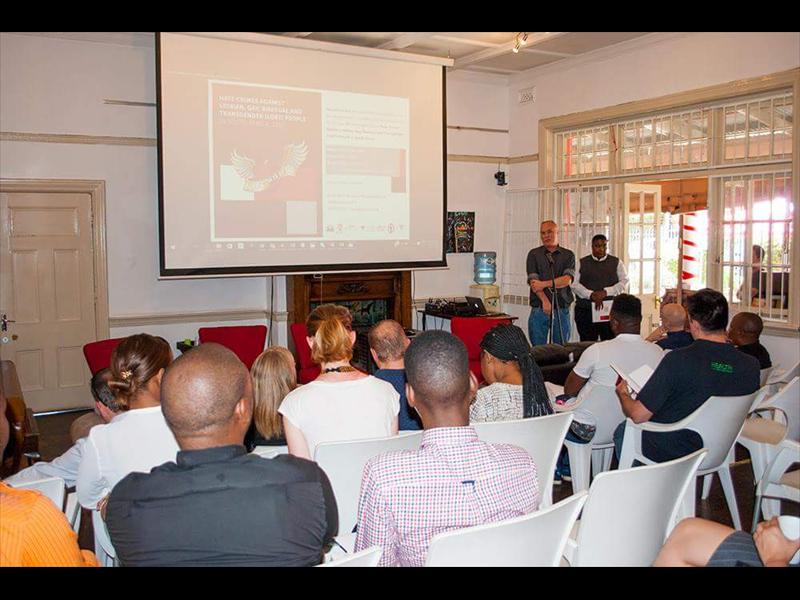
Almost half of gays and lesbians experience discrimination in Pretoria for their sexual orientation, a study has revealed.
ALSO READ: A tough 350km against discrimination
The study commissioned by Love Not Hate concluded that the discrimination of the lesbian, gay, bisexual and transgender community was rife in the city and 55 percent of gays and lesbians feared they would be victimised.
Rights organisation, Out LGBTI, activist Lerato Phalakatshela, said in an interview that Love Not Hate dealt with a number of discrimination cases.
He said the survey which was done over two years, revealed that 55 percent of lesbian, gay, bisexual and transgender (LGBT) South Africans feared discrimination and had good cause.
ALSO READ: Airbnb takes new steps to fight discrimination
He said 44 percent of those surveyed had experienced discrimination in the past two years and some victims of hate crime or discrimination didn’t even report the cases.
“Most say they don’t ….the justice system while others are still conflicted and happy about their sexual orientation,” said the activist.
“A total of 2 130 people participated in the online study, which is believed to be the first-ever national research on LGBT discrimination and hate crimes.”
Phalakatshela said what was most troubling about the findings of the study was that discrimination in schools was extremely high.
ALSO READ: Mamelodi to celebrate its first gay pride
“About 56 percent [of respondents] aged 24 years or younger indicated they had experienced discrimination based on their LGBT status at school.”
Victims of discrimination and hate crimes also expressed deep reservations about reporting incidents to the authorities with 88 percent saying they had not reported these incidents to the police, said Phalakatshela.
“Reasons for the lack of reporting included concerns that police would not take victims seriously, would do nothing with the complaint, were homophobic themselves, or even worse, were the abuser.”
Phalakatshela said effective prevention and responses to hate crimes were needed to curb the scourge.
“Sadly it seems that we are failing at both,” said Phalakatshela.
“There are very few societal programmes to address LGBTI prejudice and hate crimes, most notably in schools. When it comes to responses, the criminal justice system is slow to react and justice is not seen to be done. That explains low reporting rates; people don’t trust the system.”
Other findings in the report:
– 41 percent of the respondents knew of someone who had been murdered due to their sexual orientation or gender identity.
– Of those who experienced discrimination, seven percent had been punched, hit, kicked or beaten; seven percent experienced violence from a family member and six percent had been raped or sexually abused.
“We can identify from the findings that people do not report and as civil society organisations we can only do so much to encourage people to report; however we cannot guarantee them justice,” explained Out LGBTI director Dawie Nel.
“We need to find alternative and effective mechanisms to improve on the criminal justice system through existing collaborations and structures.”
Do you have more information about the story? Please send us an email to editorial@rekord.co.za or phone us on 083 625 4114.
For free breaking and community news, visit Rekord’s websites:
For more news and interesting articles, like Rekord on Facebook, follow us on Twitter or Instagram