Leaking pipes plague Mamelodi hostels
Other issues that were raised include water flooding Boundary Drive and fears of potholes. The residents also claimed drug addicts use the hostels as a hideout.
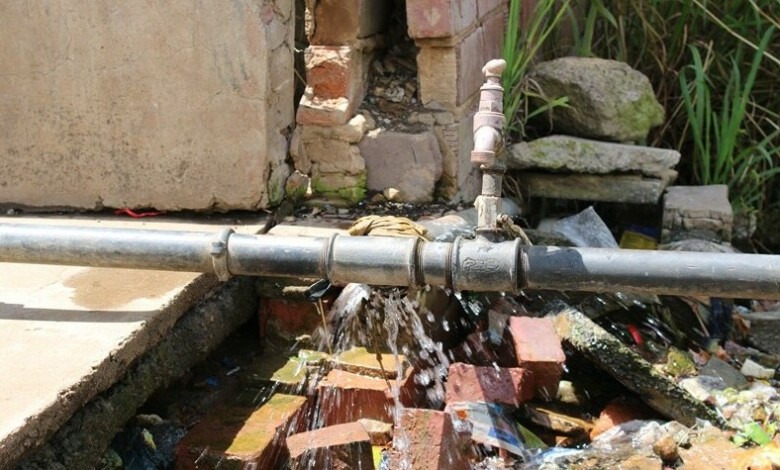
Mamelodi Hostel residents are pleading with the Tshwane metro to attend to water leaks in their area.
They alleged that every hostel block had leaking pipes connected to taps, showers and toilets.
They claimed the situation was getting worse almost every day and that water leaks continued to damage the old hostel blocks.
According to the residents, thousands of litres continue to go to waste.
One resident, Peter Molokomme, said water leaks used to run down from the hostel block near Sunvalley, but now the leaks have started next to Mamelodi Cemetery.
Molokomme said the water floods Boundary Drive every day.
“Sooner or later, we are going to have potholes at Boundary Drive.
“We have tried to fix visible water leaks, but it looks like the damage is beneath,” said Molokomme.
The local elections are around the corner and different parties will be campaigning again, promising better service delivery.
“We demand service delivery right now and not after the elections because it’s what they have been promising us for more than a decade,” said Molokomme.
In other hostel blocks, residents are forced to walk on bricks to avoid the sewage or mud.
Other issues that the hostel residents raised are the state of the hostel blocks and the presence of drug addicts, who allegedly use the hostel blocks as a hideout.
Tshwane metro spokesperson Lindela Mashigo said the Tshwane metro is aware of the water leaks affecting the Mamelodi Hostel and continues to monitor and address the situation.
He said the leaks are largely linked to ageing infrastructure, including water, sewer and sanitation networks that were originally installed when the hostel was constructed back in the 1960s.
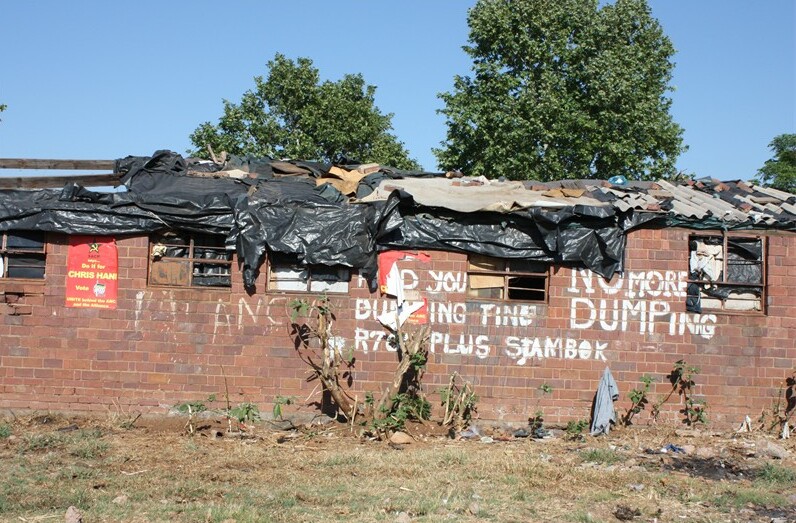
According to him, municipal teams have undertaken various repair interventions over time to minimise water losses and maintain service delivery.
However, due to the age of the infrastructure and the pressure demands placed on the network by ongoing urban growth and development in the area, recurring leaks continue to emerge.
“Tshwane metro remains committed to maintaining the existing infrastructure while longer-term upgrading and redevelopment initiatives are being pursued,” said Mashigo.
“To support future improvements, the metro partnered with the Gauteng Department of Human Settlements (GDHS) to undertake a comprehensive assessment of the bulk infrastructure network. The assessment identified infrastructure requirements and informed future upgrading plans.”
Mashigo added that following site inspections and technical evaluations, the GDHS committed to supporting the renovation of the Kingsley Hostel into family residential units.
This project will include the rehabilitation and upgrading of associated infrastructure, helping to improve service reliability and address long-standing infrastructure challenges within the precinct.
He added that the metro continues to manage several challenges associated with maintaining and upgrading infrastructure within the Mamelodi Hostel precinct. These include ageing infrastructure, vandalism of municipal assets, illegal occupation of some units, and broader socio-economic challenges affecting the area.
Mashigo said that despite these challenges, the metro continues to implement awareness campaigns, encourage rental payment compliance, and engage stakeholders on sustainable solutions.
These efforts are aimed at improving the condition of the hostel, strengthening service delivery, and creating a more sustainable environment for residents.
He further said Tshwane metro has already taken steps towards the long-term revitalisation of the hostel precinct through the approval of the Mamelodi Urban Development Framework (UDF) during the 2022/23 financial year.
Work is currently underway to appoint a multidisciplinary professional team to develop an implementation model that will guide future residential, mixed-use and infrastructure developments.
In addition, the GDHS will partner with the metro on the renovation and upgrading of the Kingsley Hostel and its supporting infrastructure.
This project will serve as the first phase of a broader redevelopment programme aimed at improving living conditions, modernising infrastructure and creating a more inclusive and sustainable urban environment.
The metro is also working closely with law enforcement agencies and social development stakeholders to address crime, substance abuse, and other social challenges.
He concluded that these collaborative efforts are intended to improve safety, restore community confidence and support the long-term regeneration of the hostel precinct.
Do you have more information about the story?
Please send us an email to bennittb@rekord.co.za or phone us on 083 625 4114.
For free breaking and community news, visit Rekord’s websites: Rekord East
For more news and interesting articles, like Rekord on Facebook, follow us on Twitter or Instagram or TikTok or WhatsApp Channel