Tshwane residents can expect to dig deeper into their pockets after a hike in utility rates was announced on Thursday.
Ratepayers will pay eight percent more for water while electricity has gone up by 12 percent.
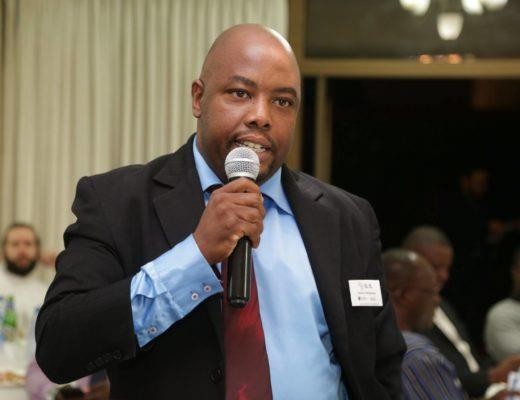
The new tariffs were announced by Tshwane mayor Stevens Mokgalapa during his maiden budget speech on Thursday afternoon.
“The budgeted revenue for water services increased by eight percent and there will be a bulk purchases tariff increase of 10 percent from Rand Water (Rand Water has not communicated the increases for bulk water yet).”
ALSO READ: New Tshwane budget is ‘pro-poor’
The national energy regulator of South Africa published the municipal tariff guideline increase of 13,07 percent.
The metro had, therefore, budgeted for a revenue increase of 12 percent.
“These figures are likely to be factored in when we do the midterm review,” Mokgalapa told the budget sitting.
The property rates tariff will increase by 6 percent from 1 July, for all categories of properties.
“All residential properties are not charged any property rates on the first R150 000 of the value.”
Mokgalapa said the metro’s aim “was to ensure that our tariffs are affordable to the customers; however, some of the increases such as Eskom and Rand Water are not within the city’s control”.
“Sanitation charges are calculated according to the percentage water discharged and eight percent tariff increase has been applied.”
ALSO READ: 7 major considerations from the mini-budget speech 2018
He said the refuse tariff structure has been amended, the two components, refuse removal and city cleansing would be discontinued.
“A single tariff structure with a tariff increase of 6 percent has been applied in the 2019/20 financial year.
“We want to create a city that is conducive for business and holds its government accountable.”
Mokgalapa said the budget was submitted with procurement plans to enforce the culture of accountability, planning and consequence management.
He said this would assist in enforcing a culture of planning.
“We will also be tabling procurement plans to ensure that all capital projects budgeted for are at implementation stage.”
ALSO READ: Budgeting tips for first time homeownership
Mokgalapa said the total budget was R39,7-billion with the operating budgeting on R35,6-billion.
“The 2019/20 budget is put together in a manner that seeks to ensure that the poor remained our priority and, that current projects are completed timeously and within budget.”
The total capital budget amounts to R4,2-billion for 2019/20 and R4,6-billion for 2020/21 and 2021/22 respectively.
Mokgalapa said this was a R200-million increment from the 2018/2019 budget.
The capital budget was funded by the following sources:
– Council own funding (R394,8-million)
– Borrowings (R1,5-billion, which is equivalent to 35%)
– Grant funding (R2,3-billion)
ALSO READ: Infographic: A summary of the National Budget Speech 2019
Do you have more information about the story? Please send us an email to editorial@rekord.co.za or phone us on 083 625 4114.
For free breaking and community news, visit Rekord’s websites:
For more news and interesting articles, like Rekord on Facebook, follow us on Twitter or Instagram