First-of-its-kind Onderstepoort surgery saves dogs’ lives
The vets used a ground-breaking approach that entails dilating the opening of a heart valve with a balloon.
Two Tuks veterinary surgeons performed life-saving heart surgery on two dogs last week using ground-breaking techniques.
“This is a first in the 100-year history of the veterinary science faculty in Onderstepoort,“ said University of Pretoria (UP) spokesperson Chris van Blerk.
“It is an exciting way to start the next century of veterinary service to the country.”
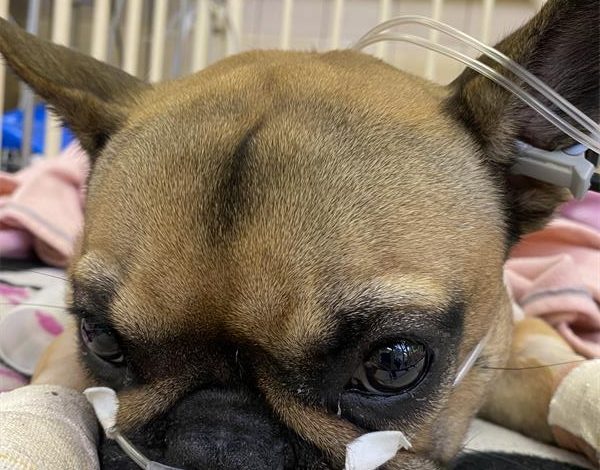
He said the two surgeons, Dr Adriaan Kitshoff and Dr Ross Elliott saved the lives of seven-month-old French Bulldog, Daisy and a six-month-old Cocker Spaniel called Tallen.
“Daisy is a service dog that can sense when her owner, who has fibromyalgia, is in pain and sleeps on her as a means of comfort.
“The vets used a ground-breaking approach that entails dilating the opening of a heart valve with a balloon.”
He said this procedure was limited to hospitals overseas with surgeons or internists with special interest in cardiology.
“It is only hospitals that have the equipment that can perform the surgery,” they said.
Van Blerk said the aim of the surgery for both dogs was to increase the size of the opening by dilating the valve.
“For this, a long balloon-tipped catheter was placed in one of the neck veins through real-time X-rays.
“The balloon is guided through two of the heart chambers and through the small opening in the valve. After inflation of the balloon, the opening was stretched.”
The two vets explained that the anatomy of a dog’s heart was similar to that of a human’s, also consisting of four chambers and four valves.
“This is probably the reason why most of the clinical trials for heart transplants were performed on dogs. This set the stage for Dr Chris Barnard’s first successful heart transplant in 1967.”
The two said the surgery was risky as these patients had heart disease and had to be placed under general anesthesia.
“Due to irritation of the heart muscle as the balloon passes through it. It can result in abnormal heart rhythms during the anesthesia, which might need to be treated with medication during the operation. Stretching of the valve can cause the tearing of some blood vessels.
“We can offer a service not previously offered by the Onderstepoort veterinary academic hospital. This might be the start of other minimally invasive heart surgeries in the future. This also provides us with the opportunity to extend the life of special pets like these.
“This ground-breaking surgery also creates the possibility of setting up a centre in minimal invasive surgery and cardiology at the hospital, thus offering more advanced surgeries like valve replacements and heart transplants.”
Van Blerk said both the dogs were doing well after their surgeries. They, however, needed follow-up heart scans every three months as in 15% of such cases the stretched opening of the valve could start to narrow again.
“In which case, the procedure can be repeated again,” the vets said.
The surgery consisted of a team effort by anesthetists Dr Justin Grace and Dr Abdur Kadwa, theatre nurse sister Adele Rossouw and theatre assistant Mike Shabangu.
Do you have more information about the story?
Please send us an email to editorial@rekord.co.za or phone us on 083 625 4114.
For free breaking and community news, visit Rekord’s websites: Rekord East
For more news and interesting articles, like Rekord on Facebook, follow us on Twitter or Instagram